

























































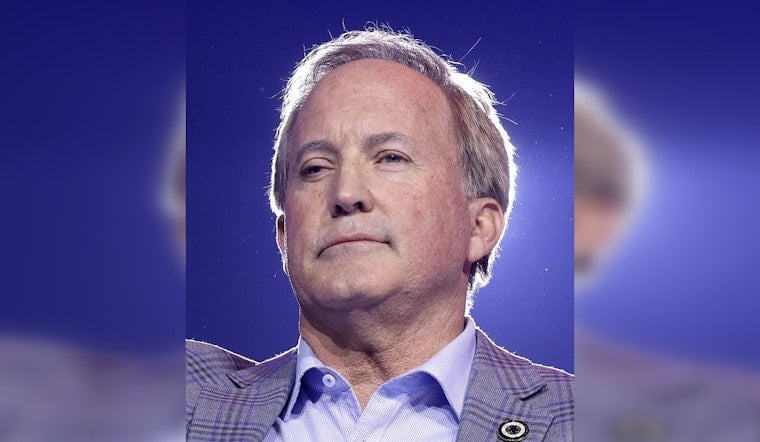
Texas Attorney General Ken Paxton is turning the heat up on LinkedIn, launching an investigation into whether the professional networking giant advertised and profited from so-called “ghost job” listings while charging users for Premium services that promise real hiring opportunities.
Paxton announced on July 14 that his office has issued a civil investigative demand, or CID, seeking documents, data and internal communications on how LinkedIn advertises, markets, verifies and manages job listings. He said many of the people he believes were hurt by the practice include displaced workers, recent graduates and military veterans who shell out for Premium features expecting access to legitimate openings.
Paxton's Office Issues Formal Records Request
In a press release from the Office of the Attorney General, Paxton’s team said it had issued a CID to LinkedIn that demands internal documents, data and communications tied to the company’s advertising and Premium subscription claims.
Separately, KVIA reported that the attorney general is focusing in part on how LinkedIn marketed its Premium Career and Premium Business plans, alleging the company did not make it clear enough that a significant share of job listings may have been inactive, already filled or otherwise less than sincere.
What Paxton Says and His Charge in One Line
“LinkedIn has a duty to provide the services it advertises and ensure that consumers paying for Premium subscriptions are receiving access to legitimate job postings,” Paxton wrote in the announcement released by the Office of the Attorney General.
According to that release, the CID seeks records about LinkedIn’s advertising and marketing practices, how it verifies postings, and what it represents to users about Premium subscriptions and job listings.
Paxton also highlighted just how much users may be paying for those perks. Some Premium tiers cost around $39.99 and $69.99 per month, a detail he pointed to as part of his claim that paying customers were led to believe they were getting access to active hiring opportunities, as noted by KVIA.
What "Ghost Jobs" Are and How Common They Seem
Researchers and reporters use the term “ghost jobs” for postings that do not match an actual open role or that stay live mainly to collect resumes, build a candidate pipeline or boost engagement numbers.
Recent studies and coverage have suggested the phenomenon may account for a low to mid double digit share of online job ads. State lawmakers and regulators have begun floating rules or enforcement actions aimed at curbing the practice, according to reporting from Forbes and analysis in Bloomberg Law.
Advocates say these listings waste applicants’ time and blur the real picture of hiring for people trying to get back into the workforce.
Who Paxton Says Is Harmed
Paxton’s release highlights vulnerable jobseekers in particular - displaced workers, recent graduates and military veterans - who may buy Premium features in hopes of more visibility and faster responses.
The Office of the Attorney General also notes that LinkedIn generates revenue from recruiter licenses and advertising, alongside those paid user subscriptions. That mix of income underpins the “pay for better access” business model Paxton is now scrutinizing.
He has framed the probe as a consumer protection review, focused on whether LinkedIn’s paid marketing materials clearly disclosed the risk that many listings could be inactive or never truly intended to be filled.
LinkedIn's Existing Work on Authenticity
LinkedIn, for its part, has recently touted a series of product changes that it says are intended to make the platform more authentic. The company has expanded verification options, tightened verification requirements for recruiter titles and deployed technology aimed at limiting inauthentic activity.
In a post on its own newsroom, LinkedIn said these changes are designed to make it easier for members to identify real people and real opportunities on the site. That public statement does not address Paxton’s CID specifically, instead positioning the steps as part of a broader effort to improve platform integrity.
Legal Significance of a CID
A civil investigative demand is a formal pre-suit tool that can compel a company to turn over documents and information, but it is not the same as filing charges.
Legal advisers point out that a CID usually forces a company to preserve records and coordinate closely with counsel while the government decides whether to bring claims. As explained in guidance from Thomson Reuters, responses to a CID can lead to remedies, negotiated settlements or further legal action, depending on what investigators uncover.
What to Watch Next
Paxton’s office will now sort through the documents it has requested and decide whether to pursue enforcement under Texas consumer protection laws - a process that can stretch over weeks or months.
How LinkedIn responds will be closely watched: the company could cooperate fully and hand over records, push back against the demand, or publicly roll out additional policy changes. Those choices will help determine whether this remains a single state inquiry or evolves into a broader test of what online platforms owe to paying subscribers who are just trying to land a real job.
For jobseekers on the ground, the scrutiny is a fresh reminder to double check openings through company career pages or direct contacts, especially before spending extra cash on premium add-ons that promise faster callbacks.



