

























































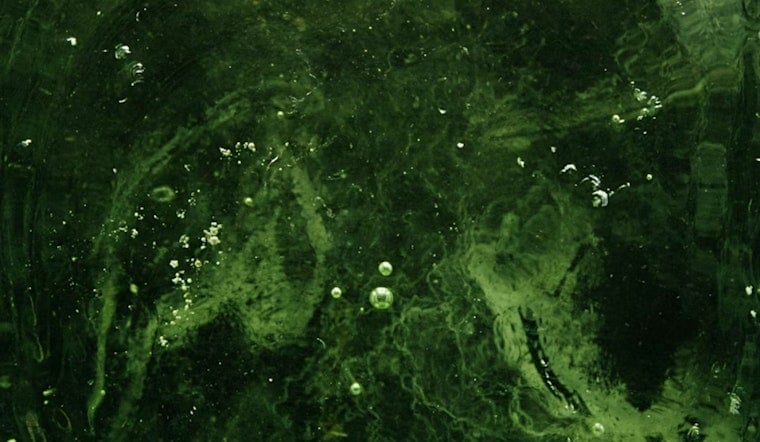
Health officials shut down Lincoln Beach and rolled out warnings for parts of Utah Lake on Monday after the season's first harmful algal blooms cropped up at Lincoln Marina Beach and the Saratoga Springs Marina picnic area. Tests showed toxin levels spiking fast, and authorities are telling people and pets to steer clear of any water that looks scummy. It is the first major harmful algal bloom alert of the summer at the heavily used recreation spot.
What officials are advising
Utah Lake Authority had a wry greeting for the returning problem, writing "Well, well, well... Look who's back," and declaring that "HAB season is officially here" while flagging Lincoln Marina and the Saratoga Springs picnic area as bloom locations, according to KMYU. The authority laid out clear ground rules: do not drink the water, do not swim, wade or jet/water ski, avoid paddling through visible algae, and keep fishing to catch-and-clean only by discarding skin and guts. Boating is generally still allowed. Signs are now posted at affected launches and picnic areas while agencies gather follow-up samples.
What the warning levels mean
The Utah Department of Environmental Quality uses three advisory levels: Health Watch, Warning, and Danger, to guide public activity around algal blooms, and a Danger Advisory can trigger temporary closures and tighter restrictions, according to the Utah Department of Environmental Quality. The agency explains that a Warning Advisory typically means no swimming or water skiing and keeping animals away from scummy water, while a Danger Advisory can include closing beaches and blocking boating in affected areas. DEQ also notes that boiling or filtering lake water will not remove cyanotoxins and urges visitors to check the live monitoring map before heading out.
Testing and local response
Recent state sampling at Lincoln Beach showed toxin measurements that came back 14 times higher than results from the previous week, which led to the beach closure and a posted advisory, per KMYU. Local reporting adds that the Utah County Health Department placed the advisory on the state's harmful algal bloom map and that the marina itself is still open for boat access, although water-based recreation in the bloom-affected zones should be avoided, according to FOX13. Park and marina crews have posted warning signs, and agencies plan additional testing to see whether toxin levels drop.
Why Utah Lake is vulnerable
Utah Lake's shallow depth, warm summer water, and nutrient-heavy inflows make it especially prone to cyanobacteria blooms. Phosphorus, plenty of sunlight, and still conditions all help cyanobacteria explode in number, according to the Utah Lake Authority. The authority notes that blooms often stay localized along shorelines, so one cove can be hazardous even if nearby stretches of water look clear. Long-term work, including reducing nutrient discharges along with projects such as carp removal and upgraded wastewater treatment, is aimed at cutting down how often these blooms form and how intense they get.
Precautions for people and pets
If you spot green scum or mats, stay out of the water and keep pets and children away. Rinse any exposed skin and animals with clean water, and contact Poison Control if symptoms develop. The Utah Department of Environmental Quality and local health officials also warn against drinking lake water or trying to make it safe by boiling, and recommend cleaning fish thoroughly and discarding the guts if they were caught in bloom-affected areas, according to the Utah Department of Environmental Quality. Before planning a lake day this week, check the state's harmful algal bloom monitoring map along with local health department updates.


