

























































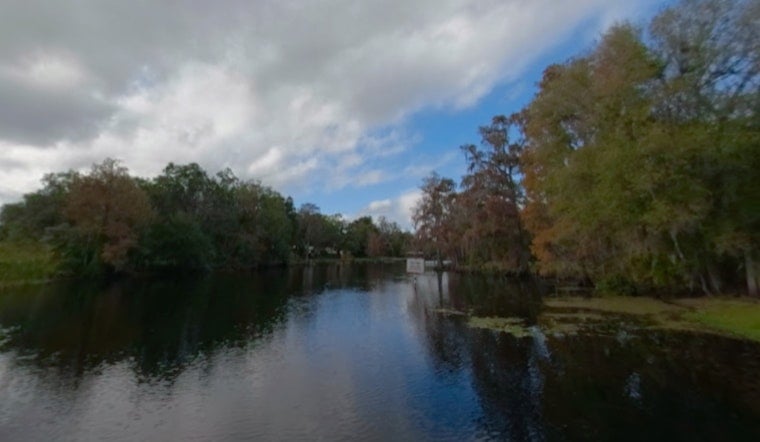
A tiny but powerful pollutant traced to car tires has quietly worked its way through the Hillsborough River, according to new research. Over a 10 month stretch, Florida International University scientists detected the tire derived compound 6PPD-quinone in every single water sample they collected. Levels jumped after heavy rains and clustered around downtown stormwater outfalls, which points to routine road runoff instead of a one time industrial spill and raises fresh questions about how the region monitors and manages stormwater pollution.
FIU team tracks 'first-flush' spikes after storms
Researchers at Florida International University built an automated sampling and analysis setup, then used it to test the lower Hillsborough River across ten sampling events between 2023 and 2024. They found 6PPD-quinone in every sample they pulled. "When we have the first big rain event, we get these big pulses of stormwater into our rivers and canals," FIU researcher Kassidy Troxell said, according to FIU News. The team repeatedly saw the highest concentrations near urban stormwater outfalls in downtown Tampa, a pattern that strongly suggests roadway runoff is the main route into the river.
Peer-reviewed paper reports concentrations and timing
The peer reviewed study, published in Environmental Pollution, reported 6PPD-quinone concentrations roughly between 0.29 and 11.60 nanograms per liter, with a mean of about 1.82 nanograms per liter, and a strong correlation between spikes and rainfall. The authors note that these measurements fall within the lower range of urban surface water values reported elsewhere, but they emphasize the rainfall driven and seasonal dynamics in the lower river. According to the paper, the dataset represents the first record of 6PPD and 6PPD-quinone in Florida surface waters and sets a baseline for future monitoring efforts.
How tire chemistry creates a river pollutant
The compound 6PPD-quinone forms when 6PPD, an antioxidant added to tires, reacts with ozone and other agents on road surfaces. Tiny bits of tire wear then wash into storm drains and nearby waterways. The transformation product has been linked to acute fish mortality in other regions, and federal researchers now list 6PPD-quinone as an emerging contaminant of concern, according to U.S. EPA. Scientists point out that the same chemistry that helps keep tires from breaking down can create a very toxic compound under the right environmental conditions.
What the findings mean for Tampa Bay
FIU researchers compared river concentrations to a U.S. EPA freshwater screening benchmark for short term exposures of 11 nanograms per liter and found that some storm events approached or slightly exceeded that threshold. The university says that outcome justifies expanded monitoring and follow up work. The Tampa Bay Times reported on the findings and flagged the downtown outfall hotspots, highlighting the central role of urban runoff in shaping conditions in the lower river. That pattern suggests local stormwater managers may want to focus monitoring, green infrastructure projects or treatment on key outfalls to blunt those first-flush pulses.
Beyond Tampa, agencies are racing to map where 6PPD-quinone shows up and which interventions are most effective, from retrofitting drainage systems to testing alternative tire chemistries. The Hillsborough River data add Florida to a growing national map of concern. The U.S. Geological Survey and other partners are studying how the compound moves through urban watersheds and how toxic it is to aquatic life, according to USGS. For now, researchers say the basic takeaway is that everyday driving combined with routine rain is carrying a little known chemical into Tampa's river, and more targeted monitoring will be needed to nail down the ecological risk.




