

























































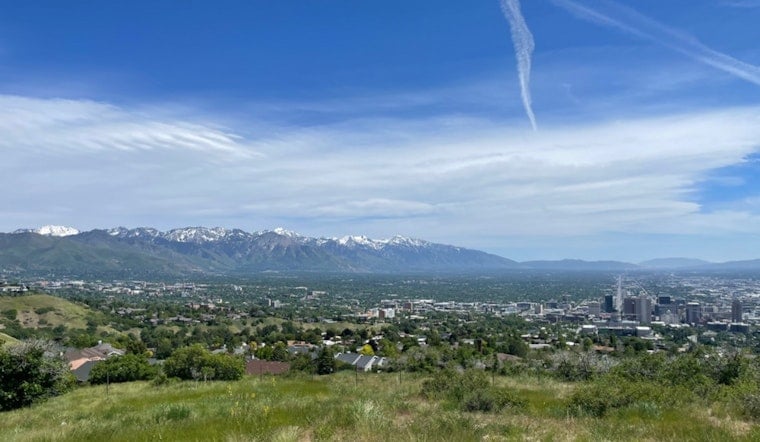
Downtown Salt Lake City started the day near 75°F under clear skies, and that calm morning is the quiet before a serious blast of heat. A dangerous heat wave is building over the Wasatch Front, with highs expected to reach about 103°F on Saturday and potentially spike to around 107°F on Sunday. Overnight lows will only slip into the low to mid 70s, offering little real cooldown.
The National Weather Service has issued an Extreme Heat Warning from noon Saturday, July 11, through 6 a.m. Tuesday, July 14, for much of the valley, cautioning that temperatures could threaten daily, monthly, and even records. According to the National Weather Service Salt Lake City, the hottest afternoons are expected from Saturday through Monday, and heat-related illnesses are likely without proper precautions.
What to expect
Daytime heat will peak on Sunday, when most valley neighborhoods are forecast to hit triple digits with almost no overnight relief. Winds should stay light and terrain-driven, which means you should not count on strong lake breezes or afternoon cooldowns during the most oppressive hours. The lack of nighttime cooling will increase the risk of heat-related illnesses, particularly for outdoor workers, older adults, and anyone without air conditioning.
Cooling centers and safety
Salt Lake County has opened cool zones in libraries, recreation centers, and resource sites with air conditioning for residents who need a break from the heat. Hours and services differ by location. Check Salt Lake County for a full list of sites and operating times.
If you have to be outside, try to keep strenuous activity to the early morning or evening, drink plenty of water and look in on older relatives and neighbors. Never leave children or pets in parked vehicles; interior temperatures can become lethal within minutes.
Hoodline flagged this developing heat back on July 5; this update reflects the active NWS warning and the specific high temperature forecasts for July 11 through 14. For background, see how Salt Lake City was set to roast as 100-degree heat bears down.




