

























































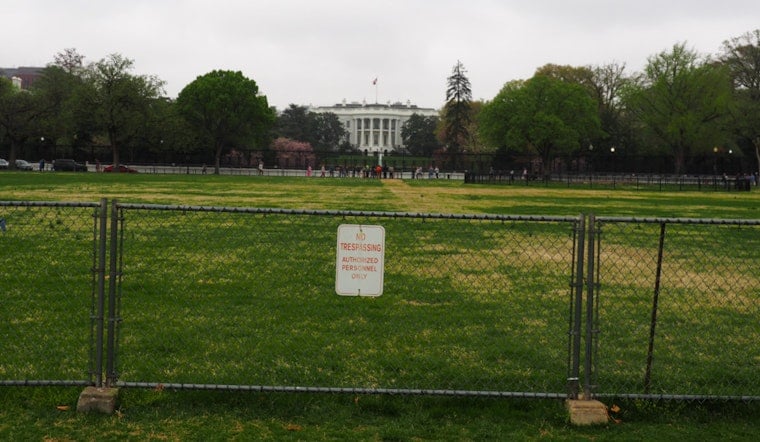
One of Washington’s most famous walkways could be getting a long-term security makeover, and not everyone is thrilled about it.
The Trump administration is advancing a plan to install permanent fencing along the north and south edges of Lafayette Square and to give officials the power to shut down a two-block stretch of Pennsylvania Avenue outside the White House. That corridor between 15th and 17th streets is a magnet for tourists, a megaphone for protesters and a daily cut-through for locals, and critics say locking it down could permanently change how people experience the city’s federal core.
What's being proposed
According to The Washington Post, the White House plan calls for sturdy, permanent barriers along both the north and south sides of Lafayette Square, replacing the patchwork of temporary fencing that has popped up during renovations and security flare-ups. The design would also add controls on Pennsylvania Avenue so officials could close the plaza whenever they deem it necessary. The Post reports that the U.S. Secret Service is driving the proposal, while White House officials say any move will still go through the usual federal review process.
Which streets would be affected
The fencing plan would let authorities close Pennsylvania Avenue where it passes the White House, between 15th and 17th streets, as reported by the Washington Business Journal. That two-block stretch is one of the most photographed spots in the District and a go-to backdrop for marches, vigils and rallies. Nearby business owners and tour operators told the outlet that repeated closures could push visitors onto side streets, complicate access to museums and hotels and dull some of the energy that usually swirls around the White House perimeter.
Closures already on the books
Federal paperwork shows this is not just talk. The National Park Service issued a Record of Determination on July 2 temporarily closing the Ellipse, specified park sidewalks and Pennsylvania Avenue between 15th and 17th streets from June 28 through July 31. The document says the U.S. Secret Service requested the move and that fencing will mark off the restricted areas. Citing 36 C.F.R. § 1.5 as its authority, NPS framed the closure as necessary for protecting the White House complex. A posted map and rules spell out just how much of the immediate area can be taken offline when officials decide to tighten the zone.
Security case and expert caution
Administration officials and some security analysts argue that permanent, anti-scale barriers are a logical response after fence jumpers, large demonstrations and other high-profile incidents raised doubts about temporary measures. Public-access advocates and other experts, though, warn that the tradeoff is not minor. One security expert told The Washington Post that the Secret Service will always push to lower risk, which is its mission, but that this drive is now rubbing against another core American value: open access to the seat of executive power. The tug of war between security and clear public views of the White House is at the heart of the current fight.
Political pushback in D.C.
D.C. Delegate Eleanor Holmes Norton has already planted a flag against the idea. In a July 1 press release, she announced plans to introduce legislation that would prohibit permanent fencing at Lafayette Square, stressing that the park is public land and should not be turned into a semi-permanent security buffer. Norton warned against converting a historic civic gathering place into what she described as a restricted zone and argued that officials must “maintain our commitment to security without sacrificing public access.” She also signaled that Congress could step in if the administration tries to move the project forward, setting the stage for a potential showdown that stretches from federal agencies to Capitol Hill.
Where the project sits in the review process
Any lasting change to President’s Park or Pennsylvania Avenue still has to run a bureaucratic gauntlet. The Commission of Fine Arts has already signed off on designs for temporary security barriers, and the National Capital Planning Commission is leading a broader look at the future of Pennsylvania Avenue. Their records, including the Commission of Fine Arts project file and the National Capital Planning Commission’s Pennsylvania Avenue initiative, outline how these panels shape - and can slow - long-term plans. Before a single post gets sunk into the ground, public comment periods, commission votes and potential lawsuits are all likely to come into play.
What locals should expect
For now, the city is living with a preview. The temporary National Park Service closures through July 31 mean intermittent fences, detours and a more distant view of the White House while agencies hash out the details and lawmakers posture over the policy. The short-term limits already show how quickly access to some of Washington’s most symbolic public spaces can be curtailed. Officials say any permanent proposal will make its way to the relevant commissions. Opponents are just as clear that they plan to fight it in hearings, in Congress and, if necessary, in court.





