

























































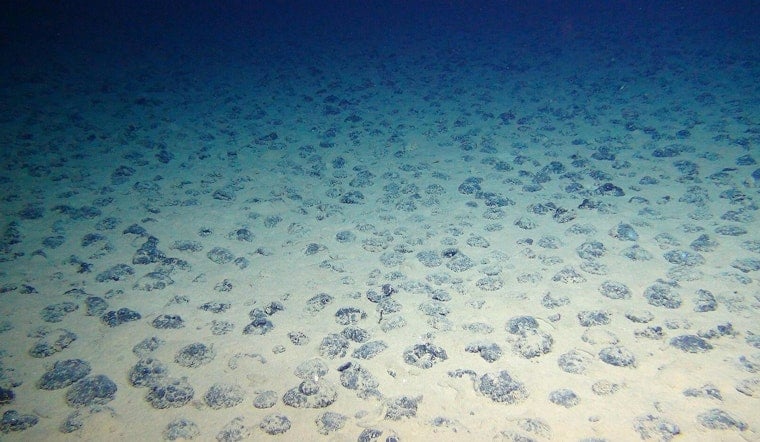
Trump administration officials took a major step Thursday toward what could become the nation’s first commercial deep-sea mining lease sale, rolling out a proposal that would open about 31 million acres of seabed near American Samoa to two 20-year leases. Conservation groups warn the move could spell long-term trouble for fragile deep-ocean ecosystems and tuna and other fisheries, while supporters counter that homegrown supplies of copper, nickel and cobalt are critical for supply chains and national security. The proposed package sets minimum bids and a rough calendar that could put an auction on the books later this year. Leaders in American Samoa, who have said they oppose seabed mining in territorial waters, are pushing for more scrutiny.
What BOEM Put On The Table
According to the Bureau of Ocean Energy Management, the agency published a Proposed Leasing Notice and an environmental assessment on July 16, 2026 that lay out two large lease areas, one covering about 16.33 million acres and the other about 15.17 million acres, with proposed 20-year primary terms. The notice also sets a proposed minimum bonus bid of $3,000,000 for each lease area and spells out bidding instructions and draft lease language for would-be participants. BOEM’s documents stress that any actual mining would still need separate, project-level approvals along with additional environmental review before anything moves from paper to practice.
Critics Say The Risks Are Real
Environmental groups, scientists and fishing advocates quickly pushed back, arguing that industrial activity on the seafloor and the sediment plumes it could generate may kill or displace slow-growing deep-sea life and send shocks up the food web. “Often, it involves scraping the ocean floor for minerals. This process directly impacts species that are living on the ocean floor, disturbing their habitat,” Nick Katkevich of the Center for Biological Diversity told Hawaii News Now. Groups including the Center for Biological Diversity and Greenpeace USA are urging BOEM to prepare a full environmental impact statement rather than rely on a shorter assessment, saying the long-term, ocean-wide consequences are still not well understood.
Territorial Pushback And The Review Clock
The Proposed Leasing Notice also starts a formal review window for territorial officials. Under federal rules, the Governor of American Samoa gets a set period to provide written comments, and BOEM must consider that feedback before the agency can move ahead. The government of American Samoa has repeatedly said the territory’s moratorium on seabed mining is still in effect and has pressed for additional review and more transparency around the process, according to the American Samoa Government. Legal summaries of the federal process emphasize that the governor’s review is a required step before any leasing decision is finalized, the Congressional Research Service notes.
Supporters Point To Supply-Chain And Security Goals
Supporters of the leasing push see something very different in those 31 million offshore acres: a potential domestic source of minerals used in batteries and other technologies. They argue that tapping seabed deposits could reduce reliance on overseas suppliers. “China shouldn’t be our main supplier of minerals like copper and cobalt and nickel,” Republican state Rep. Elijah Pierick said in an interview reported by Hawaii News Now, adding that he believes environmental stewardship must be weighed alongside economic and security needs.
How We Got Here
The current proposal traces back to earlier industry interest and to a BOEM Request for Information released in June 2025 that sought technical input and public comment on potential outer continental shelf mineral leasing near American Samoa. That RFI, and the many public comments that followed, helped BOEM identify areas for closer study before advancing any lease sale concept, according to the Federal Register.
What’s Next For The Proposed Sale
Under BOEM’s timeline, the next key move would be a decision by the Assistant Secretary for Land and Minerals Management after reviewing the governor’s comments. If the department opts to proceed, it would then publish a Final Leasing Notice at least 30 days before any auction date. BOEM’s current materials point to a proposed sale date later this year, according to the Bureau of Ocean Energy Management. Even if leases are sold and issued, any early surveys, delineation work or mining plans would still need separate approvals and additional environmental review before extraction could begin.
Local Reaction Is Likely To Shape The Fight
On the ground, and across the Pacific, the response has already been intense. Community groups in American Samoa, regional conservation organizations and Pacific leaders have been holding forums and commissioning legal reviews, arguing that the territory’s fisheries, cultural traditions and livelihoods could be on the line. National environmental organizations say they are ready to challenge federal agencies in court if mining is allowed to move forward without more exhaustive review. Local reporting and advocacy coverage indicate that opposition remains widespread in Pacific communities. Samoa News and Greenpeace USA provide more detail on recent meetings and reactions in the region.





