

























































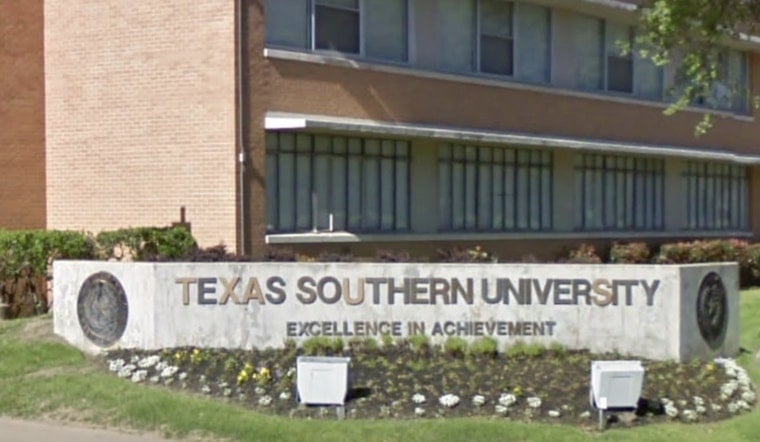
Texas Southern University is putting a big number on its footprint, saying its operations, students and alumni now generate about $1.6 billion a year in regional economic activity and support 15,676 jobs across its service area. Alumni account for the largest share at roughly $1.3 billion, while student, research, visitor and construction spending make up the rest. As the university nears its centennial, leaders are pointing to the figures as evidence that TSU is both an educational institution and a local economic engine.
The findings come from an economic impact report based on 2023-24 data and developed with labor-market firm Lightcast, according to PR Newswire. The analysis focused on Brazoria, Fort Bend, Galveston and Harris counties and used modeled "ripple effects" to track how campus activity and alumni earnings move through the regional economy. TSU released an executive summary and a fact sheet alongside the report to spell out the methodology and assumptions behind the totals.
University officials are quickly tying the numbers to program growth and workforce needs. President J.W. Crawford III framed the findings as proof that the university "serves as a gateway to opportunity" and emphasized workforce readiness, the Houston Business Journal reports. The Business Journal also points to TSU's expanding aviation program and a new hangar at the Houston Spaceport, and notes the Board of Regents recently signed off on seven new engineering programs aimed at feeding aerospace, tech and health-care pipelines.
How The Impact Breaks Down
Alumni earnings drive most of the total. Of the $1.6 billion figure, roughly $1.3 billion is attributed to former students working in the region. The university's operations added about $174 million in regional activity, student spending contributed $61.6 million, research activity added $20.7 million, visitor spending contributed $18.7 million and construction spending added $2 million. The release also highlights returns on investment. For every dollar students put into a TSU education, the report estimates about $6.90 in higher lifetime earnings, and taxpayers receive roughly $3.40 for each public dollar invested, per PR Newswire.
Methodology And What It Means
The analysis was produced using Lightcast's input-output modeling, which translates TSU spending, research activity and alumni earnings into added income and job totals. Lightcast's approach models direct, indirect and induced effects - essentially, how campus dollars move through suppliers, contractors and household spending - which explains why alumni productivity shows up as the largest component, according to Lightcast. In other words, the $1.6 billion figure reflects graduates' wage gains over time as well as day-to-day campus purchases.
Spaceport, Engineering Programs And Local Jobs
TSU's new aviation hangar and classrooms at Ellington's Houston Spaceport are already in use and were built to expand hands-on training for pilots and aerospace technicians, the airport system says. The Houston Airport System details the facility's size and training focus, while local reporting that described the project as a key pipeline for aerospace jobs in southeast Houston underscores how closely TSU is linking programs to local workforce demand. With newly approved engineering programs and an on-site aviation presence, university leaders say future impact studies could show even larger economic returns as more graduates move into high-demand fields.
TSU officials say the report will act as a baseline as the university carries out its Ascend 2030 strategic plan and prepares for its centennial in 2027. The Ascend 2030 plan connects program expansion, research and partnerships to measurable workforce outcomes and, TSU argues, will help demonstrate even larger regional economic contributions in future analyses, according to TSU.



