

























































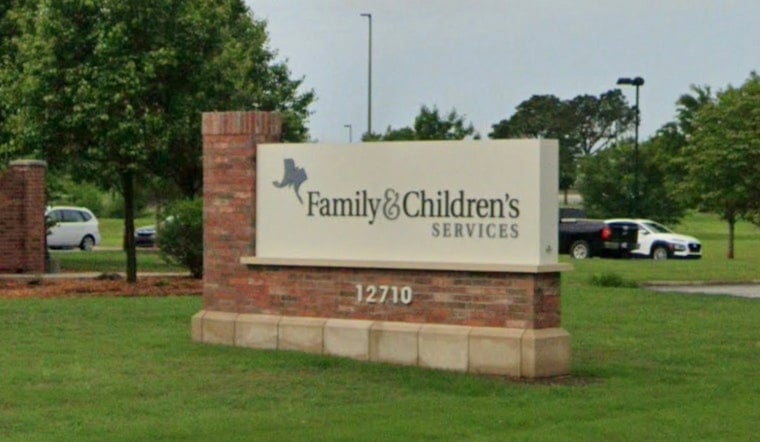
Two of Oklahoma’s biggest behavioral health players are teaming up, with leaders promising more care and no pink slips. Family & Children’s Services of Tulsa and Hope Community Services of Oklahoma City say they will merge in a deal aimed at expanding mental‑health and addiction treatment across the state. The nonprofits signed a letter of intent on Jan. 14 and are targeting a final closing this summer after several months of due diligence.
Both organizations are pitching the merger as a way to cut back‑office overlap so more funding can go straight into services instead of overhead. Hope will operate as a dba of FCS. In a press release, Family & Children's Services said the partners are working with the Oklahoma Department of Mental Health and Substance Abuse Services and the Attorney General’s office to keep the transition smooth and avoid any disruption for clients. Officials also stressed there are no layoffs planned as programs are aligned.
On paper, it is a marriage of very different sizes. Hope runs two Oklahoma City locations and, according to leaders, operates roughly a $25 million system with about 215 employees. FCS, based in Tulsa, is the heavyweight in the pairing, with about $183 million in annual operations and roughly 1,500 staffers spread across more than 70 programs. The NonProfit Times reported those figures. Local coverage noted that city leaders are cheering on the move and that the deal is expected to close this summer. KJRH quoted Tulsa Mayor Monroe Nichols calling the partnership a win for crisis response and public safety.
Leaders say merger will improve care coordination
Leadership on both sides is talking about scale, reach and closing gaps. “This is an extraordinary moment for our combined clients, our employees and the communities we serve,” said Adam Andreassen, president and CEO of FCS, in company remarks. He said the merged organization aims to “fill gaps, scale up, and bring more expertise to many more Oklahomans who need services.” Hope CEO Heather Helberg said the partnership allows the agencies to “move our mission forward faster and stronger than we could have done separately.” Family & Children's Services published the statements.
Regulatory review and next steps
Leaders say the organizations completed a planning period and set a 90‑ to 120‑day due‑diligence window after signing the letter of intent, with regulatory review and final approvals now on deck. The NonProfit Times reported that timeline. Community advocates and city officials have urged the new combined system to keep crisis‑response staffing and walk‑in access at the top of the priority list as integration moves ahead.
What to watch
The real test will come behind the scenes, as leaders try to sync up electronic records, referral pathways and crisis services without interrupting care. Community groups say they will be closely watching staff retention and how easy it is to actually get an appointment. Local reporters have noted that the partnership could accelerate the spread of specialty programs into Oklahoma City and nearby counties if regulators give the green light. KJRH and other outlets are expected to follow the merger’s progress through the final agreement.
For now, officials say clients should keep using their usual phone numbers, clinics and care teams, and that existing programs will remain in place during the transition. The organizations plan to roll out updates as regulatory approvals come through and integration work advances.



