

























































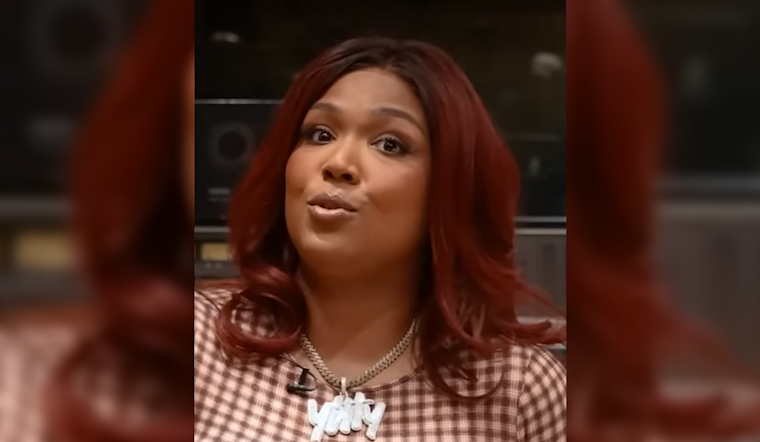
This summer, Lizzo’s long-awaited return has looked less like a victory lap and more like a hard left turn. The Minneapolis-born star’s new album has arrived to tiny sales and soft streaming numbers, while headlines about years-long workplace lawsuits keep crowding out the music. Once an arena-level headliner and a widely cited symbol of body-positive, mainstream pop, she is now staring down a commercial slump and a stack of legal fights that critics say have drained her momentum. For fans in the Twin Cities, the whiplash has been fast and, for many, painful to watch.
A comeback that misfired
“Bitch,” released in early June, opened with surprisingly small figures: roughly 2,649 pure copies sold in its first week and about 2.7 million on-demand streams, which meant it did not reach the Billboard 200, according to Rolling Stone. Industry reports that drew on Luminate data lined up with those totals and noted that the record appeared on only one Billboard chart, a sharp fall from 2022’s “Special,” which debuted at No. 2 with about 69,000 equivalent album units. Critics and some label-watchers have pointed to a mix of factors, including the provocative title, a choppy rollout and a public conversation focused on everything but the music, as reasons the album never found strong commercial footing.
The lawsuits that followed
The weak showing for the new music has unfolded alongside a very public legal battle. In 2023, three former backup dancers filed a sweeping lawsuit that accused Lizzo of sexual harassment, discrimination and fostering a hostile work environment during the Special Tour. Some of those claims have survived early legal challenges, according to reporting by the Los Angeles Times. Lizzo has denied the allegations and told CBS News she has no plans to settle, saying she is prepared to take the case to trial and expects the truth to emerge there. That legal cloud now hangs over nearly every discussion of her comeback and has complicated brand partnerships, promotion and the goodwill that once seemed automatic.
Mixtape, singles and a confusing rollout
Before “Bitch,” Lizzo tried to restart her era with a surprise mixtape, “My Face Hurts From Smiling,” alongside a run of singles that never caught the fire of her previous hits. The mixtape, complete with confrontational artwork, is available on major services such as Apple Music. Critics have noted that the project’s lead tracks, including “Love in Real Life” and “Still Bad,” generated minimal chart traction, according to coverage in The Guardian. Observers say the strategic pivot toward shock value and a harder edge in some of these releases may have pushed away mainstream radio and the casual listeners who once powered her biggest songs.
From arenas to dwindling streams
Not long ago, Lizzo’s touring business looked like proof she had fully arrived in the pop elite. The Special Tour ran for about 80 shows and, according to industry box office tallies, grew into a major arena operation, with Pollstar reporting strong grosses on the European leg. Public compilations place the full tour’s take at roughly $86.3 million and around 853,000 tickets sold. Pollstar and other tour summaries have illustrated just how quickly she moved into arenas, which makes the contrast with her latest streaming numbers feel especially stark. That gap between past ticket demand and current digital performance has become a recurring point in speculation about what her next career chapter might look like.
Why Minneapolis cares
For a lot of local listeners, Lizzo’s rise was a point of civic pride, a story of a Minneapolis-connected artist who helped reset pop culture and reminded the industry to pay attention to the Twin Cities again. Ross Raihala has traced that story line from early club shows here to global superstardom and the punishing backlash that has greeted the new album and ongoing lawsuits, noting how abruptly the tone shifted. As detailed by the Pioneer Press, the local conversation has moved from high-fiving a hometown success to asking whether a superstar can rebuild both her commercial brand and her relationship with fans in the city that first embraced her.
Legal implications
Legal analysts note that judges have thrown out some of the dancers’ claims while allowing others to continue, which means parts of the case could still go to trial and produce testimony that reshapes public opinion. The Los Angeles Times has outlined which counts survived early motions and how those rulings, along with the pace of any appeals, will determine whether the dispute returns to a courtroom.
Lizzo has told CBS News she intends to fight the remaining claims and is willing to testify rather than accept a quick settlement. For Minneapolis and the wider music industry, the coming months will test whether a major pop star can turn legal closure or a new musical run into a real rebound on the charts and in the court of public opinion.





