

























































New analysis of Southern Nevada Health District data shows two North Las Vegas ZIP codes are now among the valley's deadliest areas for heat-related deaths. North Las Vegas recorded 30 heat-related deaths in 2025 and three so far this year, with ZIPs 89030 and 89115 each logging between five and 15 heat-associated deaths in 2025. For neighbors and local workers, the numbers are not abstract at all, they are a running tally of friends, customers and family members lost as triple-digit temperatures return to the valley.
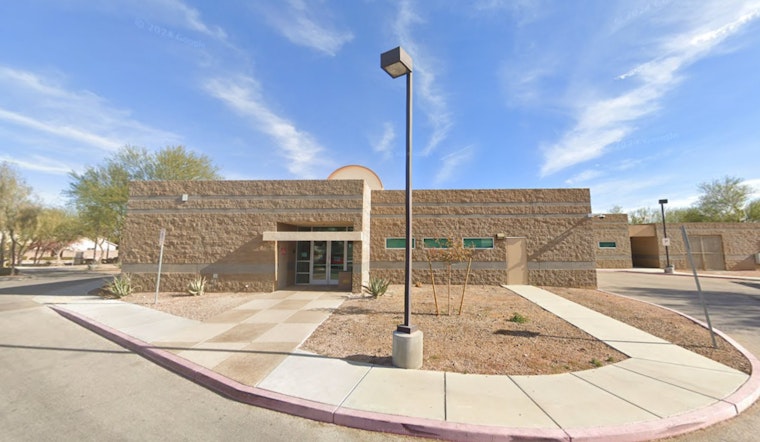
As reported by KTNV, most North Las Vegas ZIP codes tallied fewer than five heat-related deaths in 2025, while 89030 and 89115 stood out with five to 15 deaths apiece. The station also published a list of public cooling centers where residents can find immediate relief, including Alexander Library (1755 W. Alexander Road) and SkyView Multi-Generational Center (3050 E. Centennial Parkway).
County numbers and risk factors
According to the Southern Nevada Health District 2025 report, Clark County recorded 284 heat-associated deaths in 2025, down from 513 in 2024. The district's analysis found roughly half of 2025 decedents had evidence of substance use, 26.4% were experiencing homelessness, and the majority of injuries occurred outdoors. Public-health experts say those patterns stack the odds against people in neighborhoods with little shade or access to consistent cooling.
Why some neighborhoods bear the brunt
Urban heat islands and sparse tree cover leave certain neighborhoods far hotter than others, city officials and researchers say. North Las Vegas has about a 3% tree canopy, and local reporting has tied that deficit to higher heat fatalities in some ZIP codes, per KTNV. “We need plenty of shade out here,” a resident told the station, as city foresters ramp up giveaways and mapping projects aimed at cooling down the hottest blocks.
Where to cool off and how to stay safe
Clark County has been activating daytime cooling stations during recent heat surges, and local listings point residents to staffed recreation centers and library branches for short-term respite. Listings of dozens of sites and county notices give residents a starting point, while the Southern Nevada Health District emphasizes basic protections: stay hydrated, limit outdoor exertion during peak heat, and check on older or unhoused neighbors.
Public-health officials and community groups say cooling centers can blunt the immediate harm, but residents and local leaders also point to long-term fixes as the real game changers. More trees, more shade and more housing stability are all on the wishlist for a city that is trying to keep its most vulnerable residents alive as summer heats up. Keep an eye on county and health-district updates for the latest cooling-station hours and activation notices this season.



