

























































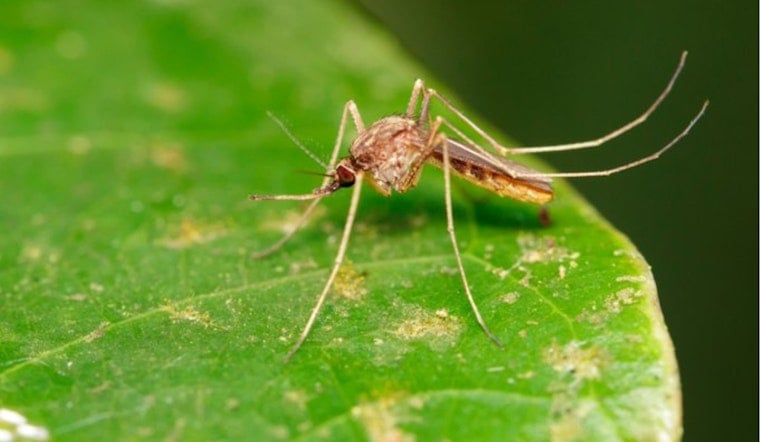
Santa Clara County has reported its first two human West Nile virus cases of 2026, just as mosquito officials say they have found virus-positive mosquitoes and are preparing targeted treatments to thin the adult population. Both patients are adults and are recovering at home, but one required hospitalization.
According to today's update from the County of Santa Clara, the cases are unrelated and both patients traveled during their incubation periods. One was hospitalized, while the other sought care in an emergency department; both are now recovering at home. The incubation period is usually two to six days but can extend to 14 days, the county said.
West Nile virus has been reported by two Santa Clara County residents. Additionally, the @SCCMVCD has detected West Nile virus-positive mosquitoes and will schedule targeted treatments to reduce the adult mosquito population. Read the full release at https://t.co/MLJvFIja61 pic.twitter.com/k9FL10BmPq
— County of Santa Clara (@SCCgov) July 29, 2026
Cases And Infected Mosquitoes Arrive Together
At the same time, the Santa Clara County Mosquito and Vector Control District detected West Nile virus-positive mosquitoes for the first time this year in areas of the county. The district says it will schedule targeted adult-mosquito-control treatments, with locations and times to be announced later; its public activity page says such treatments are scheduled only after infected mosquitoes are found and weather conditions allow.
Those treatments are typically carried out at night with truck-mounted ultra-low-volume sprayers because the mosquitoes that spread West Nile virus are most active around dusk and dawn. District guidance says the pesticides used are approved by federal and California environmental agencies, and treatments generally begin around 10 p.m. and finish by 2 a.m.
Santa Clara County has used this same targeted response in previous mosquito seasons, including a 2024 San José operation after positive mosquitoes were detected, as Hoodline previously reported. The 2026 update is notable because the county is reporting human cases alongside its first local mosquito detections of the year.
How Residents Can Lower Their Risk
Residents are being advised to dump and drain standing water weekly from items such as flowerpots, buckets and pet bowls, while neglected pools and water fountains can be reported through the district's standing-water reporting page. People can also request inspections or report high mosquito activity by calling 408-918-4770, and the district is encouraging residents to sign up for mosquito alerts and AlertSCC notifications.
Most people infected with West Nile virus have mild or no symptoms and recover quickly, but older adults and people with certain medical conditions face a higher risk of severe illness. Symptoms can include fever, headache and body aches; serious cases can cause neurological problems or death, and the county's mosquito-control guidance notes that there is no vaccine to prevent West Nile virus.
Health officials recommend using EPA-registered insect repellent, wearing long sleeves and pants outdoors, and limiting exposure around dawn and dusk. Residents should also report dead birds to California's West Nile virus hotline at 1-877-968-2473, since dead-bird reports can help officials track where the virus is circulating.




