

























































A Utah health system says an artificial intelligence-assisted care program sharply reduced hospital stays for people with COPD and asthma, while giving respiratory specialists a much larger patient reach. In a two-year study involving more than 1,200 patients, researchers reported a 50.3% drop in hospital admissions, 20% fewer emergency department visits, and a 57% reduction in total care costs.
The results were highlighted by KSL.com in a BrandView report sponsored by Intermountain Health. The iCARE study covered five Intermountain hospitals in Utah, including facilities in Salt Lake City, Murray, Provo, Ogden and St. George, and its findings were presented at the American Thoracic Society’s 2026 International Conference in Orlando.
What The AI Watches Between Clinic Visits
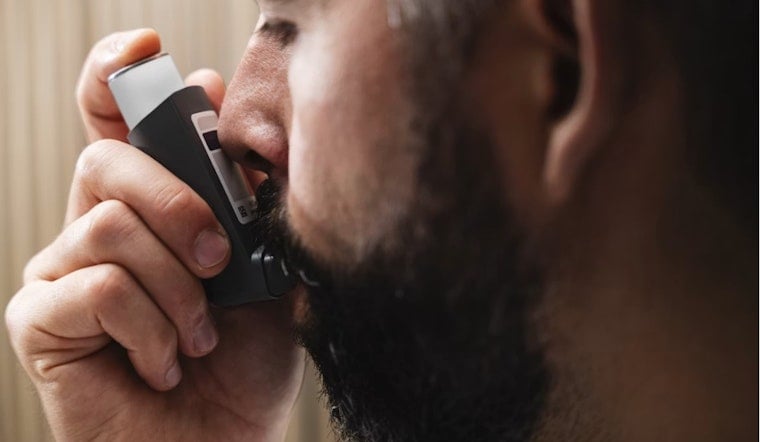
According to Intermountain Health, the system collected readings from digital spirometers, pulse oximeters, sensor-equipped inhalers, lifestyle trackers and patient symptom checks. The data produced more than 11.5 million signals, which CareCentra’s platform compared with each patient’s baseline and established COPD and asthma care protocols.
The system was designed to spot trouble before it became an emergency, including falling FEV1 lung-function readings, lower oxygen saturation, missed medication doses and changes in breathing or sleep patterns. It could then send personalized reminders, warn patients about environmental triggers or escalate the case to a pulmonary disease navigator, a registered respiratory therapist who coordinates care with the broader medical team.
That human handoff is central to the program’s pitch. Intermountain’s iCARE information says artificial intelligence handles routine monitoring while pulmonary navigators focus on patients whose combined signals suggest a higher risk of deterioration.
Promising Results Still Need A Wider Test
A recent PubMed-indexed meta-analysis found that AI and machine-learning models for predicting COPD flare-ups and readmissions show promise, but also noted substantial variation between studies, limited external validation and frequent methodological concerns. That makes the Utah results notable, but replication across different hospitals, patient populations and care systems will matter before the approach can be treated as a universal fix.
For patients, the technology is less about a robot replacing a doctor than about closing the long stretches between appointments. KSL.com reported that Bountiful participant Jill Bailey, who has lived with asthma and had been intubated nine times, said the intervention improved her quality of life.
Intermountain Is Considering A Broader Rollout
For Utah patients, Intermountain says the iCARE program requires a referral and is available through its five initial hospital sites. The health system says monitoring devices, daily monitoring and navigator calls are not charged through the study, although an initial evaluation and standard treatments may still be billed.
Intermountain Health is considering whether to scale the technology across its network of 34 hospitals and 400 clinics in Utah, Idaho, Colorado, Wyoming, Montana and Nevada. That expansion would put the program’s biggest claim to the test: whether AI-enabled monitoring can keep working when the neat boundaries of a five-hospital study give way to everyday health care.





