

























































It was a rough week in the aisles for Metro Phoenix shoppers, as Maricopa County health inspectors tagged nine grocery and convenience stores with priority food-safety violations during the week of June 15. Problems ranged from wastewater backing up in sinks to dairy and ready-to-eat items sitting in the danger zone, and in several cases staff had to toss food, shut down coolers or call in repairs before inspectors would sign off.
According to The Arizona Republic, county teams reviewed more than 1,330 grocery stores, restaurants and other food-serving spots that week. Out of that crowd, nine businesses landed priority violations, including an ARCO Food Mart where a mop sink, a three-compartment sink and a handwashing sink were all backing up and had to be fixed before the inspection could clear.
Maricopa County Environmental Services treats grocery stores, convenience stores and gas stations that sell prepared food under the same code as restaurants. On the county’s own Maricopa County inspection portal, a "priority" violation is defined as a major failure that increases the risk of foodborne illness. Those violations can trigger reinspection, formal citations or even permit suspension if they are not corrected.
What inspectors found
The Arizona Republic detailed a grab bag of issues across the Valley. At one Walmart location, cream cheese had to be discarded after sitting at an unsafe temperature for more than four hours. A Smart & Final store tossed butter that inspectors found in a warm cooler. At a Circle K on Anthem Way, salads and hummus were packed into an overfilled refrigerated case that was not cooling properly.
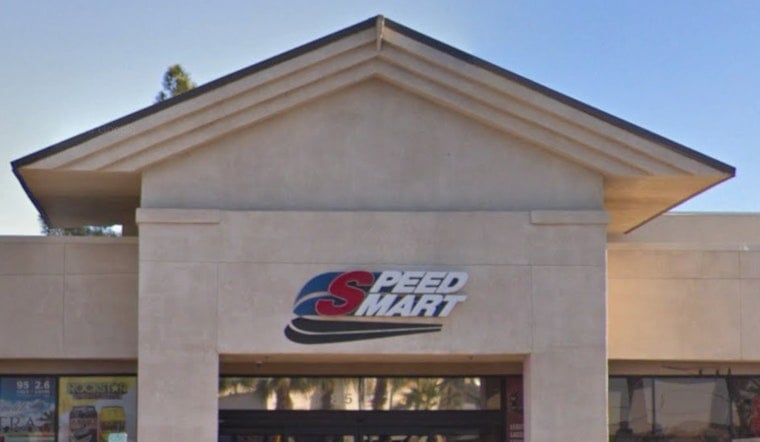
Stapley Station in Mesa drew a citation for selling homemade tamales without the required county approval, and for keeping milk, cheese and burritos above safe temperatures that inspectors ordered thrown out. Other businesses flagged that week included Speed Smart, Fast Fill Market, Mini Mart and Quick & Easy Foodmart, with violations ranging from overconcentrated sanitizer to staff being unable to document how long refrigerated sandwiches had been sitting out, according to The Arizona Republic.
Inspections often forced immediate fixes
Inspectors frequently noted that violations were "corrected at time of inspection" when workers diluted sanitizer solutions, shifted food into working coolers or made other quick fixes. In other cases, they required food to be discarded or equipment to be taken out of service until repairs could be verified.
Hoodline's earlier Eight Valley Grocers Busted coverage described a similar pattern of on-the-spot corrections followed by county reinspections, and pointed readers to county records for those who want to dig into the details.
How to check a store's report
For shoppers who like to know what is happening behind the deli counter, Maricopa County posts full inspection reports and grade cards online. You can search a business by name in the county’s inspection portal, read the inspector’s notes and see whether violations were corrected. The portal also lists contact information if you want to file a complaint or ask the county for more information about enforcement.
Why this matters
Public-health experts told local outlets that repeated temperature-control failures and cross-contamination incidents usually signal training gaps or equipment problems rather than one-off slipups, and those conditions raise the risk of foodborne illness. Keeping an eye on a store’s inspection history is one of the simplest ways for shoppers to spot patterns and decide where they feel comfortable buying prepared foods.





