

























































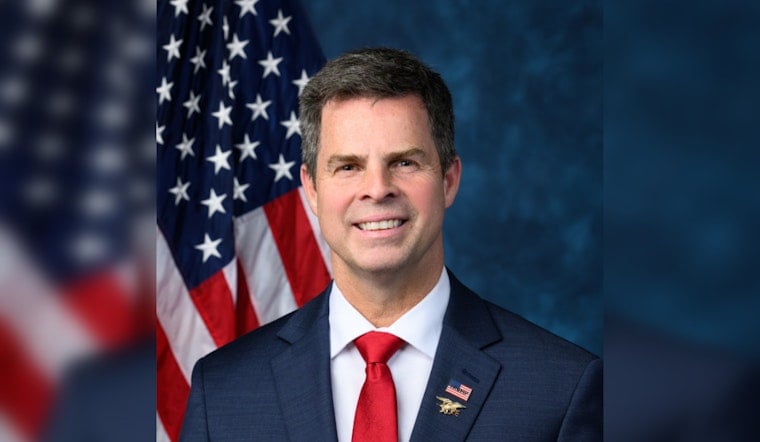
Virginia Rep. John McGuire is jumping headfirst into one of the country’s most charged immigration debates, rolling out a bill that would restrict automatic U.S. citizenship for some children born on American soil. The proposal, called the Birthright Citizenship Clarification Act of 2026, takes direct aim at births involving parents described in the bill as unlawfully present or only temporarily in the country, potentially reshaping how federal law treats those U.S.-born kids.
McGuire's pitch
McGuire introduced the bill on Thursday and cast it as a clean-up job on what he sees as loopholes in current law. "American citizenship is a privilege and an honor that must be protected," he said in a statement. As reported by WSET, the bill would amend Section 301(a) of the Immigration and Nationality Act so that a child born in the United States would not automatically receive citizenship if the child's mother was unlawfully present and the father was neither a U.S. citizen nor a lawful permanent resident.
What the bill would change
The text goes further, spelling out the same exception when a mother is in the United States lawfully but only on certain temporary nonimmigrant visas, including student, work, tourist and Visa Waiver Program visas, unless the father is a U.S. citizen, U.S. national or lawful permanent resident. A copy of the bill is posted online in PDF form for anyone who wants to parse the fine print. Similar language carving out diplomatic and hostile occupation exceptions has appeared in prior congressional attempts to narrow Section 301(a) of the Immigration and Nationality Act, per Congress.gov and related legislative efforts.
Legal hurdles ahead
The timing is no accident. The proposal lands just weeks after the Supreme Court rejected an executive attempt to trim back birthright citizenship and, in the process, reaffirmed a broad reading of the 14th Amendment, a move that legal experts say raises the stakes for any statutory rewrite. AP reported on the ruling and the national fallout. McGuire's office argues the bill "follows guidance outlined by Justice Brett Kavanaugh" in litigation over that executive order and points to comments from other conservative justices, while civil rights groups including the ACLU counter that any attempt by Congress to narrow birthright citizenship would run straight into constitutional challenges.
Where it goes from here
For now, McGuire has put the full text out in the open, and supporters insist that if this fight is going to happen, it belongs in Congress, not in the Oval Office. To become law, the measure would have to survive committee hearings, pass both the House and Senate and land on the president's desk for a signature, the standard federal obstacle course for any bill. A copy of the bill is available online, and USA.gov lays out each step in the process.
Why it matters locally
Back home, the move plants McGuire firmly in the thick of a national GOP push to tighten immigration rules heading into the fall campaigns, while signaling to his Virginia district that he is ready to tangle over one of the most sensitive issues in constitutional law. Whether the bill gets real traction in committee or ends up as another chapter in the courts will decide how much it actually changes life for families in Virginia and across the country.





