

























































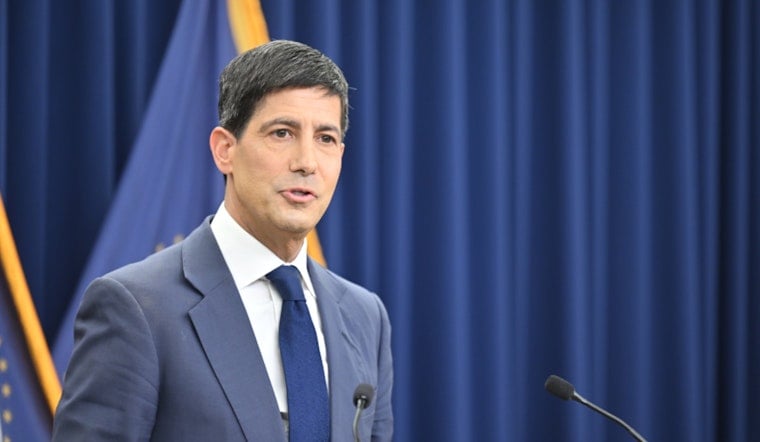
Federal Reserve Chair Kevin Warsh has tapped a star-studded cast of outsiders, from venture capital power players to former central bank chiefs, to help rethink how the Fed does its job. The five new task forces will dig into some of the most sensitive parts of the central bank’s playbook: communications, balance-sheet policy, data, productivity and jobs in an AI-heavy economy, and the Fed’s inflation framework. Warsh said the groups will get to work soon and that he expects most, if not all, to wrap up by year-end.
The Fed named 15 leaders in total, three for each panel, and described the task forces as independent bodies that will be supported by Fed staff, according to the Federal Reserve. The central bank’s release spells out the mandate for each group and the initial leadership lineup.
The roster reads like a who’s who of Silicon Valley, academia and global finance. Venture capitalist Marc Andreessen will co-lead the productivity and jobs task force with economist Charles I. Jones and Microsoft executive Asha Sharma, while economist Raj Chetty will co-lead the data panel with former Walmart CEO Doug McMillon and economist Kevin Murphy, as reported by Axios. On inflation, the Fed has tapped prominent scholars Greg Mankiw and Nobel laureate Thomas Sargent to serve on the inflation frameworks team.
Warsh is also pulling in former central-bank bosses to weigh in on the Fed’s future. The lineup includes Arminio Fraga of Brazil, former Bank of England Governor Mervyn King and former Reserve Bank of India Governor Raghuram Rajan, alongside academics and corporate leaders, according to Reuters. Analysts say the mix could help Warsh surface fresh ideas while also building a political case for any eventual changes inside the Fed.
Warsh pitched the initiative as a corrective step aimed at sharpening the Fed’s decision-making. “The Federal Reserve's commitment to price stability and maximum employment is unwavering,” he said in the statement unveiling the task force leaders. The Fed added that each panel will “start with first principles; ask hard questions; examine current practice; consider alternatives; and, ultimately, propose next steps for policymaker consideration.”
What To Watch
The task forces are expected to begin work within weeks, with Warsh telling reporters he wants initial findings in the fall and most panels finished by the end of the year, according to Reuters. Markets will be watching closely for any recommendations that could alter how the Fed talks to investors or how it manages its roughly $6.7 trillion portfolio of government securities.
Whether these outsider-driven reviews trigger sweeping policy changes or mostly provide political and intellectual cover will help shape the Fed’s path into 2027. Observers told AP that the lineup’s blend of technologists and former central bankers creates both an opening and a risk for truly bold reform.





.jpg)