

























































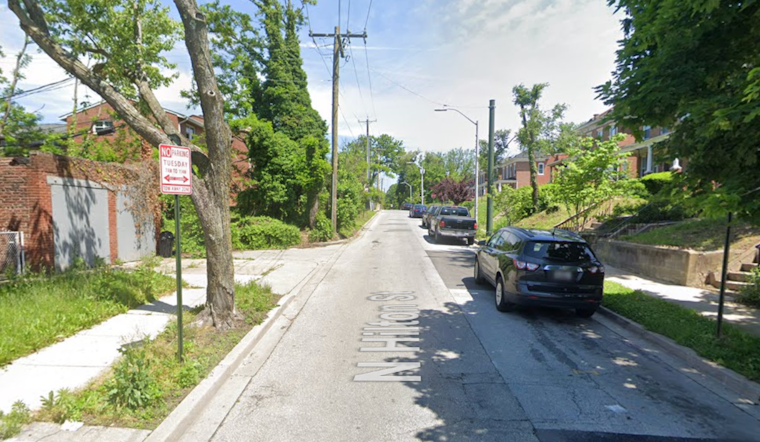
A long-running four-lane stretch of Hilton Street is on the verge of a major remix, and neighbors are not exactly cheering. A city plan to slim the busy corridor down to two car lanes while adding a protected bike facility set off sharp pushback at a community meeting this week. Longtime residents said the proposal seemed to come out of nowhere and warned it could clog traffic on a route where people have been driving for decades with barely any visible bike traffic. City engineers countered that the redesign is tied to a scheduled resurfacing project, which they say will bring Complete Streets upgrades and help plug a gap in Baltimore's separated-bike network.
Neighbors say they were blindsided
At the neighborhood meeting, transportation engineers walked residents through early design sketches that call for removing two vehicle lanes and carving out protected bicycle facilities along the corridor. Denise Henderson, who told officials she has lived on Hilton Street for 60 years, responded bluntly: "We don’t even have people riding bikes like that around here." Community association leader Anita Cathcart said she first stumbled onto the plans online and left with the uneasy feeling that "the ball is already rolling." The tension over timing and transparency was first detailed by FOX45.
DOT: resurfacing, cycle track and bus bulbs
According to the city's transportation project page, Hilton Street is scheduled to be resurfaced from Edmondson Avenue to Frederick Road. Within that broader paving job, the stretch from Monastery Avenue to Baltimore Street is slated for a two-way cycle track that would be physically separated from traffic, along with upgraded bus stops and other Complete Streets features. Engineers are planning narrower travel lanes, new pavement markings, refreshed crosswalks, curb bump-outs and precast concrete curbs, nicknamed "pills," with flex-posts to shield the cycle track from drivers. The project page also lists a series of summer events meant to show draft designs and gather neighborhood feedback. As outlined by Baltimore City DOT, the corridor lines up with the city's 2017 Separated Bike Plan, and officials say they are using the resurfacing work as the moment to fold in those bike improvements.
Numbers and the argument over ridership
One city engineer told residents that "bike counts go up every year" and argued that building protected facilities is what finally makes people feel safe enough to ride. Opponents were not sold, insisting they rarely see cyclists on Hilton Street today and warning that losing two car lanes could slow traffic and tangle already stressful commutes. The back-and-forth mirrors other Baltimore fights over where and how to insert protected bike lanes into older, car-heavy neighborhoods. Supporters of the Hilton redesign say it would close a missing link in the separated-bike network, while critics are pressing for more detailed local data and a longer runway for community outreach. The dueling narratives were reported by FOX45.
What's next
DOT has lined up additional community meetings and says residents will have more opportunities to weigh in before anything is finalized. The project page invites neighbors to sign up for email updates and plug into local association meetings over the summer to keep tabs on design tweaks. If the plan survives that process, the lane reconfiguration would roll out at the same time as repaving rather than as a separate construction project, according to the DOT materials. At this point, the fate of Hilton Street's lanes may come down to whether neighbors feel the city has squarely answered their questions about safety, parking, and traffic. Those next steps are laid out by Baltimore City DOT.




