

























































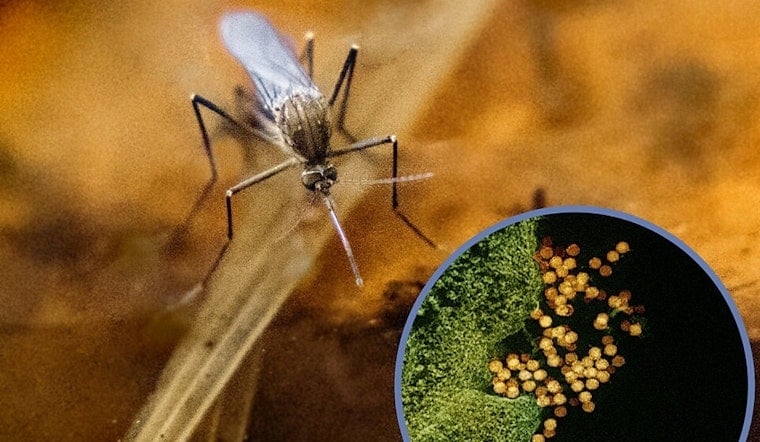
Two El Paso residents are facing serious complications from West Nile virus, as local health officials confirmed a pair of severe, neuroinvasive cases on Tuesday. One patient is a woman in her 60s from ZIP code 79932 who is now recovering in a rehabilitation facility, while the other is a man in his 80s from ZIP code 79907 who remains hospitalized. Both have significant underlying medical conditions, public-health authorities said.
The City Department of Public Health confirmed the diagnoses this week, bringing El Paso’s tally of neuroinvasive West Nile cases to two for 2026, according to KTSM. City-County Health Authority Dr. Hector Ocaranza urged residents to "take simple preventive measures now" to reduce individual risk and protect the broader community, the outlet reported. Officials added that they are also keeping an eye on St. Louis encephalitis as part of their routine mosquito-borne disease surveillance.
Who’s Most at Risk
State health data indicate that most people infected with West Nile virus never develop symptoms, and about one in five will experience West Nile fever, according to the Texas Department of State Health Services. Fewer than 1% of those infected develop neuroinvasive disease. Older adults and people with conditions such as cancer, diabetes, hypertension, kidney disease, or a history of organ transplant face the highest risk of severe illness.
How To Protect Yourself
Local health officials are again pushing the familiar Four Ds of mosquito safety: use EPA-registered insect repellents, dress in long sleeves and long pants, avoid being outdoors at dusk and dawn, and drain standing water around homes and yards, according to the City of El Paso Department of Public Health. Recommended repellents include products containing DEET, picaridin, oil of lemon eucalyptus, IR3535, and 2-undecanone.
Residents can report possible mosquito breeding sites by calling (915) 212-6000 or dialing 311. Additional prevention tips and local updates are available at EPHealth.com, which city officials point to as a hub for current guidance.
Symptoms And When To Seek Care
Common West Nile virus symptoms can include fever, headache, body aches, fatigue, nausea or swollen lymph nodes, while neuroinvasive illness may lead to confusion, seizures or paralysis, according to the Centers for Disease Control and Prevention. There is no vaccine for West Nile virus, and treatment is supportive.
Health officials say anyone who develops severe neurological symptoms or trouble breathing should seek emergency care immediately, and people who develop a fever after a likely mosquito exposure should contact their healthcare provider.
City teams routinely test mosquito pools and coordinate vector-control responses wherever positive samples are found, and public-health staff say they will continue surveillance through the summer. Officials are urging neighbors to remove standing water, check window and door screens, and ensure air-conditioning units help keep mosquitoes outside. Residents can follow city health notices and EPHealth resources for ongoing updates.





