

























































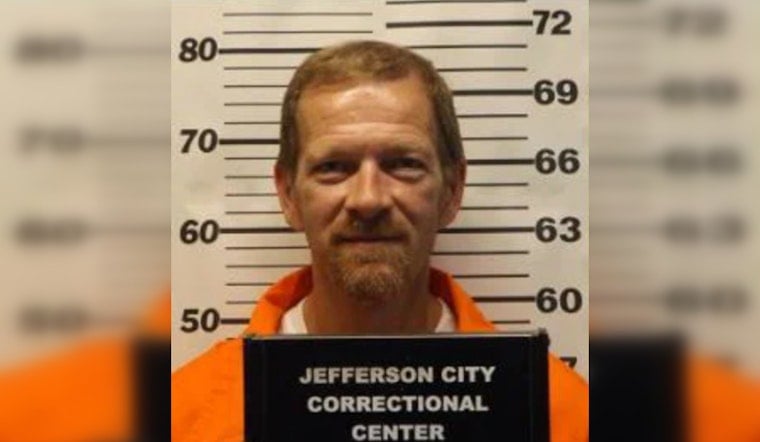
James Robert Scott, the man convicted in connection with the West Quincy levee break that flooded thousands of acres during the Great Flood of 1993, is set to go before the Missouri parole board on Wednesday, July 22, 2026. Scott, 58, is serving a life sentence at Jefferson City Correctional Center.
Department of Corrections spokeswoman Karen Pojman told ABC 17 News in an email that Scott has a parole hearing scheduled Wednesday. She added that parole hearings are closed to the public and that it can take several days for the board to reach a decision.
What Happened at West Quincy
On July 16, 1993, a segment of the West Quincy levee failed during historic flooding, sending water across roughly 14,000 acres and pulling a barge into a gas station that exploded, according to reporting at the time. Investigators later zeroed in on that breach because it had been reinforced and was not seen as an obvious weak spot, and law enforcement eventually charged a 23-year-old James R. Scott in connection with the break, per The Washington Post.
Trials, Appeals and a Life Sentence
Scott was tried in the 1990s, his first conviction was later overturned on appeal, and a second jury reconvicted him. Court records and appellate decisions describe contested expert testimony along with the role of Scott's own statements at trial. He remains in prison on a life term for causing a catastrophe, as outlined in court records reviewed by court filings, and was later sentenced to life in prison. Local reporting and archival accounts note that the case has stayed controversial in river towns ever since.
Supporters and Skeptics Watching Closely
The upcoming parole hearing has drawn attention from both supporters who argue the evidence against Scott was thin and residents who say they will never forget the damage. Author and longtime Scott advocate Adam Pitluk told Muddy River News that he plans to sit with Scott at the parole board and said, "He's trying to atone." Retired investigator Jon McCoy, who worked on the original case, told the same outlet that he seriously doubts Scott could be rehabilitated.
How the Parole Board Makes the Call
Missouri law requires the parole board to use a validated risk and needs assessment, weigh the facts of the offense, review a prisoner's institutional behavior and consider victim input before deciding whether to grant parole. Under its rules, the board may interview an offender in person or by videoconference. The statute specifies that parole is to be ordered only "for the best interest of society" and that board panels consider public safety risk along with any rehabilitative progress, per RSMo §217.690.
The board's decision could come several days after Wednesday's hearing, and media reports state that the proceeding itself is closed to the public. Local outlets that have followed the case for years have highlighted the July 22 hearing and the strong feelings it still stirs in river communities, and officials say a decision will be released once the board completes its review.



