

























































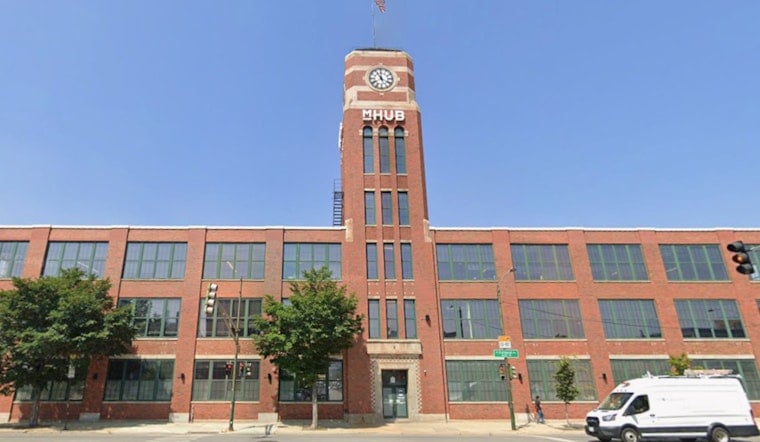
mHub is quietly sketching out plans for a massive West Side campus that could shuffle the deck on where Chicago builds advanced manufacturing and hard-tech muscle. Early outlines suggest a development larger than The 78 in the South Loop, a move that would take mHub far beyond its current Near West Side base and immediately raise thorny questions about land assembly, public money and neighborhood impact.
What Crain's Reported
According to Crain's Chicago Business, the early concept calls for a campus that would exceed the roughly 62-acre footprint of The 78. The 78's official site pegs that project at about 62 acres, which has turned it into Chicago's go-to reference point for megaproject scale. Crain's framed mHub's West Side idea as a potential game changer for where physical-product startups and manufacturing supply chains choose to land in the region.
mHub's footprint and recent growth
mHub currently runs an innovation center on the Near West Side and lists its longtime address as 240 N. Ashland Ave. on its website. The group has also detailed recent real estate moves and acquisitions meant to expand lab, prototyping and testing space, including a previously reported multi-million dollar acquisition and build-out to bolster those facilities. On its site, mHub casts itself as a national model for hard-tech incubation, workforce training and partnerships that move product ideas toward actual manufacture.
How the plan fits into broader West Side development
The West Side campus concept surfaces at the same time other big efforts, from the Related Midwest backed The 78 to wide ranging redevelopment near the United Center, are reshaping parts of the South and West Sides and shifting land-use pressures. Local industry and construction trackers show large parcels, surface parking lots and legacy industrial sites being floated for potential stadiums, research hubs and mixed-use campuses. That pattern creates opportunities for job growth and clustering of industry, but it also intensifies long running debates about infrastructure capacity, transit access and housing trade offs.
Community partnerships and concerns
For years, mHub has pointed to relationships with neighborhood groups, including programs with West Side Forward and other local organizations focused on workforce development and entrepreneurship. Those ties are likely to be tested if the campus proposal moves ahead, since community leaders and advocates regularly push for clear hiring pipelines, protections for small businesses and anti-displacement measures when large projects land in historically disinvested communities. Earlier fights over The 78 and similar megaprojects showed how quickly these questions can split civic leaders, developers and nearby residents.
Money, approvals and what comes next
The organization's past expansions have leaned on a mix of public incentives and tax-credit financing, including tax increment financing and new markets tax credits, to pay for building conversions and lab build-outs. City records and earlier financing disclosures show those tools in use in prior mHub projects, which makes it likely that any large West Side campus would draw close scrutiny of subsidies, detailed aldermanic review and formal redevelopment agreements. If the idea advances, expect the next visible steps to appear in zoning applications, redevelopment deals and Chicago City Council agendas.
Whether the West Side campus actually gets built will hinge on land control, political backing and how decision makers balance job creation, public investment and neighborhood safeguards. For now, the concept signals an unusually bold bet on keeping large-scale manufacturing infrastructure inside Chicago's borders rather than pushing it farther out.





