

























































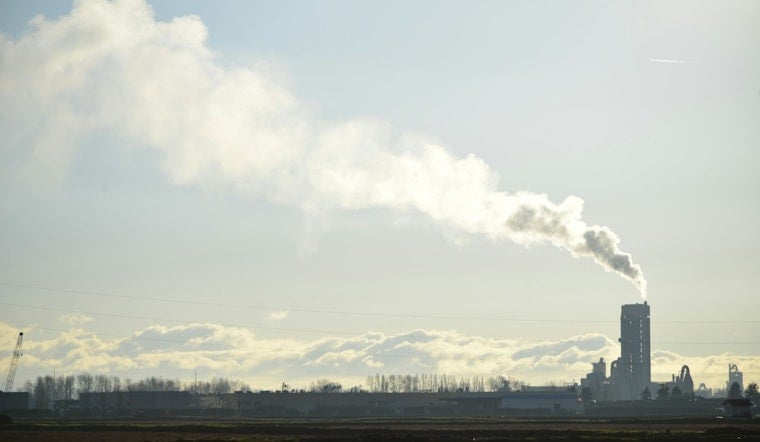
A new national analysis has put BP’s Whiting refinery in an unwelcome spotlight, landing the Whiting Business Unit on a short list of the country’s biggest fossil-fuel "supplier" sources of greenhouse-gas pollution. The report ties roughly 655.5 million metric tons of carbon dioxide equivalent to the facility from 2010 through 2023. The finding arrives as residents and local advocates in northwest Indiana are already on edge after recent flaring and power incidents at the refinery.
The report, published July 21 by the Environmental Data & Governance Initiative, digs into EPA Greenhouse Gas Reporting Program data and finds a split-screen story. Direct on-site emissions at many facilities, including Whiting, fell to a record low in 2023, while supplier emissions - the projected CO2e from fuels those facilities put into the economy - climbed to a record high. In Table 2, BP’s Whiting Business Unit lands in eighth place among the nation’s top supplier facilities, with 655,454,810.8 metric tons CO2e reported for 2010–2023, according to the Environmental Data & Governance Initiative.
How supplier numbers work
Supplier totals do not necessarily reflect how much pollution is released inside the refinery fence line. Instead, the EPA explains that suppliers must report the amount of greenhouse gases that would be emitted if the fuels they produce are eventually burned. In practice, that means a facility’s rank as a supplier usually tracks how much fuel it processed and sent into the market over time, not just what comes out of its own smokestacks.
Local reaction
Neighbors told the Chicago Tribune they were caught off guard to see Whiting show up on a national list of large fuel suppliers, and some said the ranking simply put numbers to long-running worries about air quality. Lisa Vallee, who lives near the refinery, recalled seeing thick, black smoke after an April incident and said she left her home when the sky turned orange. She told the paper those kinds of visible releases keep her thinking about long-term health risks for both residents and refinery workers.
Why the data matter and what could change
The group behind the report argues that the EPA’s facility-level greenhouse gas data, collected from more than 8,000 reporting sites, is a key tool for holding both companies and regulators to account, according to EDGI. But the program’s future is not guaranteed. In a September 2025 proposal, the agency floated cutting reporting obligations for dozens of source categories, a move outlined in the Federal Register that would sharply reduce the public data available for analyses like EDGI’s.
What happens next is likely to hinge on whether the EPA follows through on any rollbacks, how state regulators and local permit processes respond, and whether community groups keep pressing for more fence-line monitoring and public transparency. Local organizers say they plan to track permit hearings and watch elected officials closely for follow-up actions.




