

























































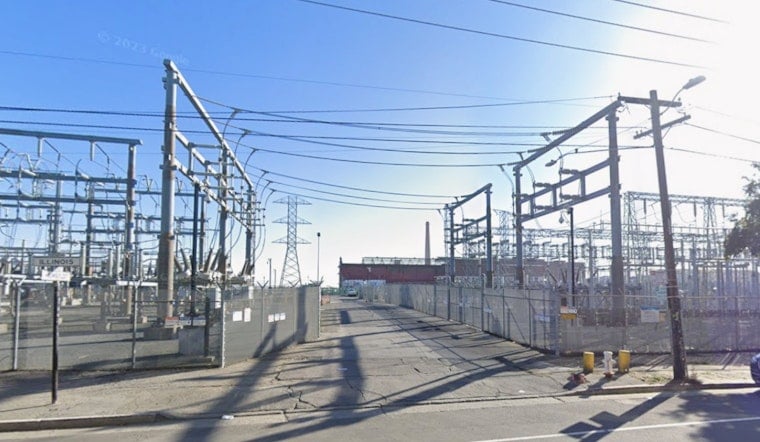
The old Potrero Power Station is getting a very modern kind of fuel: nearly $200 million in financing for a new apartment building, plus a separate investment aimed at making middle-income housing easier to build across San Francisco. The move gives the Dogpatch waterfront redevelopment a major financial vote of confidence while putting the city’s so-called missing middle back in the spotlight.
JPMorgan Chase is committing nearly $200 million toward a 342-unit apartment project at the former power plant and up to $15 million to Fifth Space’s Essential Housing Fund, according to The San Francisco Standard. The financing follows the bank’s earlier role in helping fund the 105-unit Sophie Maxwell Building, the first completed residential phase of the larger development.
The local deal is part of JPMorganChase’s broader American Dream Initiative, a national effort focused on housing affordability, small businesses, jobs and community institutions. In its announcement, JPMorganChase said the initiative will use financing, capital partnerships and policy advocacy to expand housing supply and homeownership opportunities.
San Francisco approved the Potrero Power Station master plan in 2020, and the long-term vision calls for roughly 2,600 homes, commercial space, community facilities and nearly seven acres of public open space. The San Francisco Planning Department describes the project as a once-industrial waterfront site being remade into a mixed-use neighborhood with new parks, housing and public access to the shoreline.
A Second Financing Push At The Waterfront Site
The Sophie Maxwell Building opened in 2025 with studios, one-bedroom and two-bedroom apartments for households earning between 50% and 110% of area median income. Hoodline previously reported that the project was designed for workers such as teachers, nurses and tradespeople who often earn too much for deeply subsidized housing but cannot comfortably afford market-rate apartments.
Fifth Space’s new fund is intended to turn that first building from a one-off success into a repeatable financing model. The developer told the Standard that middle-income housing remains an unproven investment category because rents are capped, even though fully leased buildings may deliver steadier long-term returns; the bank’s stake is meant to help attract additional institutional capital.
The announcement also includes $6 million in grants for the San Francisco Housing Accelerator Fund, Housing California, the Housing Action Coalition and SPUR. The Standard reported that the grants will support housing development funds, efforts to reduce displacement in San Francisco and Oakland, and broader work to speed up housing production under the bank’s national pledge to support affordable housing initiatives.
The timing also matters at City Hall. The Board of Supervisors’ legislative file proposes an amended development agreement that would provide additional zoning flexibility and alter the phasing plan, while keeping the project’s affordable-housing commitments in place.
Why Middle-Income Housing Needs A Financing Experiment
San Francisco’s housing math remains punishing for developers, lenders and renters alike. SPUR recently summarized a city feasibility analysis finding that even some market-rate projects are struggling to pencil out, which helps explain why a private lender is treating a capped-rent housing model as something that needs to be proven before it can be scaled.
For Dogpatch, the immediate result is another residential building moving deeper into the project pipeline. For the rest of San Francisco, JPMorgan’s bet is a test of whether creative financing can help produce homes for people who are essential to the city but routinely squeezed between traditional affordable housing and sky-high market rents.





