

























































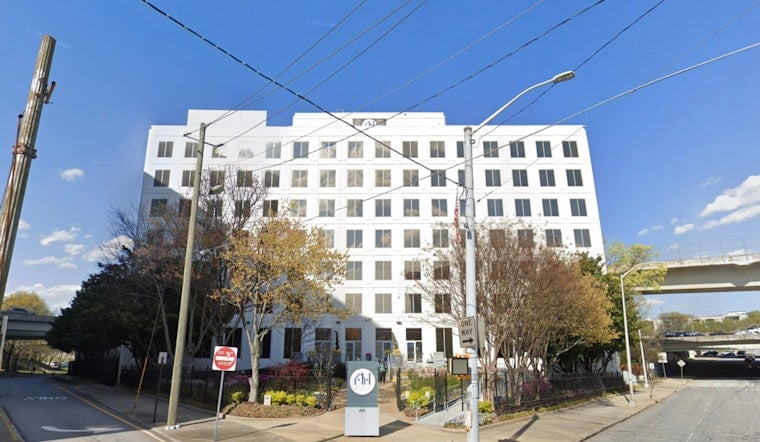
A 69-year-old Atlanta woman and her disabled son say they spent nearly two years living without a working air conditioner, enduring two full summers of Georgia heat while repeated pleas for repairs went unanswered. It wasn't until their story reached a television camera that Atlanta Housing Authority ordered the air conditioner problem fixed within days.
The mother and son's ordeal was first detailed by CBS News Atlanta, which reported that the pair made repeated pleas for repairs before anything changed. The son's disability made the broken system especially dangerous, since extended heat exposure poses elevated health risks for people with underlying conditions who lack reliable ways to cool their living space.
Under Georgia's Safe at Home Act, which took effect on July 1, 2024, landlords carry a statutory duty to keep rental housing fit for human habitation and are barred from cutting off cooling as an essential utility, according to research published by the Georgia Law Review Online. Before that law passed, Georgia was the only state in the country without a statutory warrant of habitability. Separately, Georgia landlord-tenant guidance from GeorgiaLegalAid.org makes clear that while landlords aren't required to install air conditioning in the first place, they are legally obligated to repair and maintain any AC system that came with the unit at move-in — meaning once a cooling system exists in a lease, the landlord cannot simply let it stay broken.
A Two-Year Gap Between Complaint and Repair
The scale of the delay stands out against the emergency repair standards that are supposed to govern subsidized housing. Atlanta Housing Authority regulations and HUD standards require emergency work orders involving life-threatening health and safety hazards to be abated or repaired within 24 hours of notice, while routine non-emergency repairs are allowed up to 30 days, according to the agency's own published plan. A near two-year gap between the mother and son's complaints and an actual fix reflects a dramatic breakdown of that timeline, one that only closed once the case drew outside attention and the housing authority ordered the repair completed within days.
Atlanta Housing also operates under a Fair Housing policy backed by a HUD Voluntary Compliance Agreement that requires specialized tracking and grievance procedures for reasonable accommodation requests from disabled residents, per the agency's own fair housing materials. Whether that specific accommodation process applies to this case isn't addressed in available reporting, but the framework exists precisely for situations where an unresolved repair affects a tenant with a disability.
Little Room to Simply Move Elsewhere
Even if the mother and son had wanted to relocate rather than fight for repairs, their options were limited. Atlanta Housing's general Housing Choice Voucher waitlist has been closed since March 2017, when it opened for only a single week, according to the nonprofit Waythrough. That freeze leaves low-income renters facing substandard conditions with few alternatives beyond pressuring their current landlord or housing authority to make things right.
Utility relief programs haven't closed that gap either. Federal guidance expanding utility bill assistance for public housing residents in 2024 did not automatically extend to Housing Choice Voucher holders renting from private landlords, Atlanta Housing officials told the Atlanta Journal-Constitution. Tenant advocates cited in that reporting also warn that a lack of working AC can lead to dangerous indoor humidity and air quality problems beyond just heat itself.
Extreme Heat Raises the Stakes
The timing of the family's ordeal lines up with a period of extraordinary heat across the region. Atlanta recorded its hottest year on record in 2024, with an average annual temperature of 66.2 degrees Fahrenheit, capping a decade in which nine of the city's ten warmest years occurred within the last 15 years, according to WXIA-TV. Summer heat advisories in Metro Atlanta have frequently warned of heat index values reaching between 105 and 110 degrees Fahrenheit during peak stretches of July and August, CBS News reported this month.
Living without any air conditioning at all remains statistically rare in the region — roughly 3,657 households in Fulton County, about 0.8% of county residences, had no cooling equipment whatsoever in 2026, per Census Bureau estimates cited by Mapping Atlanta. That rarity underscores just how exposed this mother and son were for two consecutive summers while their broken unit went unaddressed.
The case also isn't without precedent when it comes to federal willingness to step in on severe habitability failures. In March 2024, federal housing officials began contract termination proceedings against the owners of West Atlanta's Fairburn & Gordon Apartments after inspectors found 81 code violations, including 13 highly hazardous items, according to Capital B News. Housing authorities can also abate subsidy payments to landlords who fail to meet HUD Housing Quality Standards, giving agencies leverage beyond simple repair orders when landlords refuse to comply.
For now, the mother and son's air conditioner is reportedly being fixed after Atlanta Housing Authority intervened, closing out an ordeal that spanned two full summers without relief. How the repair delay was allowed to stretch that long, and whether any additional accommodation steps were taken given the son's disability, remain open questions not addressed in the available reporting.





