

























































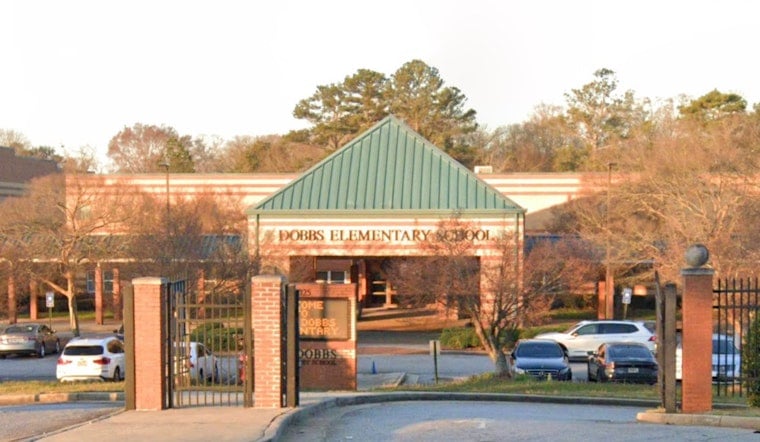
A second-grade teacher at J.W. Dobbs Elementary School in southeast Atlanta has turned an everyday classroom nuisance into a viral sensation by setting up a designated corner where students can pass gas without leaving their seats or interrupting the lesson. Candy Sydney-Browning's so-called pass gas station has racked up 4 million views on TikTok and even landed her a two-year supply of Febreze.
Sydney-Browning posted a video explaining the concept on TikTok, where she goes by the handle @chokola___ and regularly shares glimpses of her second-grade classroom and teaching routines, according to The Mirror US. In the clip and in interviews since, she has described creating the setup in the back corner of her classroom, a detail confirmed by FOX 5 Atlanta, which spoke with Sydney-Browning directly about how the idea came together.
Sydney-Browning told reporters she created the arrangement because frequent bathroom requests were eating into instructional time, and because she personally has, in her words, a very weak stomach. Classroom flatulence had previously led to finger-pointing among students and disrupted lessons, according to the same account, as detailed by BroBible. Under the system, students simply walk to a spot marked with a yellow sign in the back corner without asking permission or raising their hands, which the teacher says keeps lessons moving without pause, per Dexerto's reporting on the setup.
How the Corner Became Normal for Students
Sydney-Browning labeled the area the gusty winds, and said the first student to use it during the prior school year had what she described as a very troubled stomach. Some classmates smiled at the time, but nobody teased him, and the routine quickly became a normal, low-key part of the school day, Breitbart News reports. She has said students now rarely react when a classmate walks to the corner.
The video's popularity has translated into real support for the classroom. Febreze donated pallets of scented sprays and wall plug-ins, enough to last roughly two years, while community members and supporters sent along a new chair, student snacks, and a portable desk, per FOX 5 Atlanta's coverage. FOX 5 also reports that teachers elsewhere in the country have begun replicating the gas station concept in their own classrooms.
A School Still Rebuilding Its Academic Standing
Dobbs Elementary sits at 2025 Jonesboro Road SE and falls under Atlanta Public Schools' South Atlanta Cluster, led by Principal Tiffany Ragin, according to the school's own listing. The campus, which serves Pre-K through 5th grade, is named for John Wesley Dobbs, the civil rights leader and voter registration activist known as the unofficial mayor of Sweet Auburn and grandfather of former Atlanta Mayor Maynard Jackson Jr., per the school's history page.
Every student at Dobbs qualifies for free or reduced lunch, and district spending reached $34,494 per student during the 2025–2026 school year, according to SchoolDigger data, a figure higher than at several nearby district schools. The same data shows third-grade math proficiency nearly doubled to 23.7% this school year, helping push the school's statewide performance ranking from the 3rd to the 10th percentile after years in the bottom 10 percent.
Atlanta Public Schools has not said whether it plans to adopt the pass gas station as official policy, FOX 5 Atlanta reports. The district maintains a Student Code of Conduct restricting student device use during instructional hours, along with employee social media policies for staff accounts that reflect on the district, according to AJC.com. Metro Atlanta districts have been wary of viral classroom trends before; in October 2021, regional officials reported more than $1,250 in property damage tied to viral TikTok challenges and issued warnings to schools, per WSB-TV.
The gas station's viral moment arrives as Dobbs Elementary continues to navigate its academic recovery, and comes months after Dobbs students faced discipline following a separate administrative investigation at the school. FOX 5 Atlanta's interview with Sydney-Browning, conducted by reporter Aungelique Proctor, remains the primary account of how the idea spread from one classroom to a nationwide talking point among teachers.





