

























































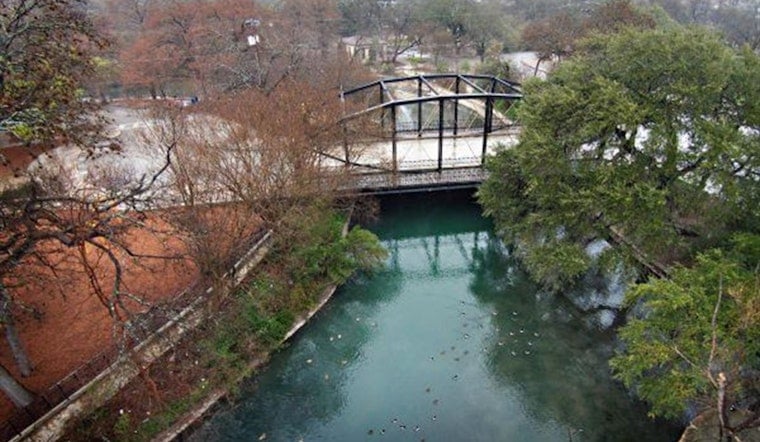
Brackenridge Park will fill with butterfly nets, native plant giveaways and live music as San Antonio hosts the 11th annual Monarch Butterfly and Pollinator Festival, a free community event built around one of the animal kingdom's great migrations. Visitors can tag monarchs themselves, wander a monarch migration obstacle course, and pick up free plants and trees, all part of a festival that has grown into one of the city's signature nature events at 3700 N St Mary's St.
The festival traces back to October 2016, when it was founded by Texas Butterfly Ranch founder Monika Maeckle, who organized the first gathering at San Antonio's Pearl development, according to Texas Butterfly Ranch. This year's edition is presented by Project Bloom, and organizers behind Blooming with Birdie are bringing their own activations to the grounds, according to CultureMap San Antonio.
That leadership shift happened in 2023, when Ashley “Bird” Bird-Rodrigues, founder of Blooming with Birdie and the nonprofit Project Bloom, took over as festival director while Maeckle moved into a director emeritus role, per Texas Butterfly Ranch. Bird-Rodrigues has since introduced play-based and interactive programming aimed at children and families, the outlet reports.
Why San Antonio Sits at the Heart of the Migration
San Antonio's role in monarch conservation is not incidental. The city sits within the “Texas Funnel,” a central migration flyway that millions of monarchs pass through each fall on their way to wintering grounds in central Mexico, at the confluence of four ecoregions along that primary North American corridor, per CultureMap San Antonio.
The city earned formal recognition for its conservation role back in December 2015, when it became the nation's first “Monarch Butterfly Champion City” after then-Mayor Ivy Taylor signed the National Wildlife Federation's Mayor's Monarch Pledge. San Antonio was the first city in the country to commit to all 24 recommended conservation actions in the pledge, according to the San Antonio Report.
What to Expect at Brackenridge Park
The free festival features education activities, hands-on nonprofit activities, food and live music, according to CultureMap San Antonio. Kids can explore the Lights Out! Bird City maze and meet Bizzee Bumblebee, while families can pick up native plants and trees at giveaway tables scattered across the grounds.
More than 50 education partners are expected to staff booths and activities throughout the day, per the CultureMap San Antonio listing, which notes organizers say the event has drawn more than 10,000 attendees in past years. Event details, including scheduling, are posted on the festival's official event page, and organizers caution that the schedule is subject to change due to weather or other concerns.
The festival hasn't always called Brackenridge Park home. It ran at The Pearl from 2016 through 2019, then moved to Confluence Park in 2021 after going virtual during the 2020 pandemic, according to the San Antonio River Authority. Confluence Park became a key venue after the San Antonio River Foundation joined as title sponsor, the river authority notes.
A Fragile Rebound Playing Out in Mexico's Forests
The festival's timing lands amid a consequential stretch for monarch science and policy. Data released in March by the World Wildlife Fund and Mexico's CONANP showed monarchs occupied 2.93 hectares of forest in central Mexico during the 2025–2026 winter season, a 64 percent increase over the 1.79 hectares recorded the previous winter, according to Journey North. Researchers measure eastern monarch populations by the total forested area their wintering clusters occupy in central Mexico.
Even with that year-over-year gain, scientists caution the numbers remain far below historical norms. Monarch colonies routinely covered more than 18 hectares of Mexican forest during the 1990s, and researchers estimate at least 6 hectares of winter habitat are necessary for sustained long-term survival, according to the UW Arboretum.
Federal protection for the species remains unresolved. The U.S. Fish and Wildlife Service proposed listing the monarch butterfly as threatened under the Endangered Species Act in December 2024, along with proposed critical habitat designations in coastal California. But in December 2025, the U.S. Department of the Interior delayed finalizing that listing rule, placing it on a “long-term actions” list that pushes a final federal decision to late 2026 or beyond, a delay the Xerces Society says postpones formal federal recovery efforts.
That regulatory limbo is part of why grassroots efforts like San Antonio's festival carry outsized weight, with citizen science such as butterfly tagging and native milkweed planting serving as a buffer while the monarch's fate at the federal level remains undecided. For a species funneling through Texas by the millions each fall, a free afternoon of tagging, planting and learning at Brackenridge Park is a small but tangible piece of that effort.





