

























































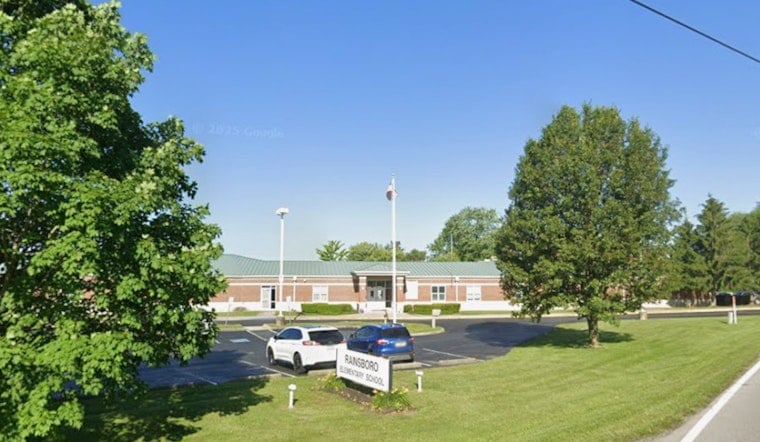
Rainsboro Elementary School will send students home at 12:30 p.m. Monday after its air conditioning system broke down just as forecasted afternoon heat moves into southern Ohio. The early dismissal applies only to Rainsboro, a pre-kindergarten through fifth-grade school in rural Bainbridge, while every other building in the Greenfield Exempted Village School District will run on its regular schedule.
The district notified families in a release sent Sunday evening, according to the Scioto Valley Guardian, which first reported the closure. District officials said they are waiting on a replacement part to fix the air conditioning system and will make scheduling decisions daily until repairs are complete, per the same report.
“We greatly apologize for the inconvenience,” the district said in its statement, as reported by the outlet. Students will still be served lunch before being dismissed, and the district's information came directly from Greenfield Exempted Village School District officials, per the report.
Bus Schedules Shift for Preschoolers
The disruption is expected to hit transportation logistics hardest. Most morning preschool students will ride the bus home Monday, but because they share buses with elementary students, their return trip will run roughly 45 minutes later than usual, the district said. Rainsboro staff planned to contact preschool families Monday to confirm individual transportation arrangements, and afternoon preschool will not be held at all that day.
Parents with questions about bus routes can call the district's bus garage directly. District officials will continue making day-to-day calls while they await the arrival of the AC repair part, a process that could stretch on depending on how quickly the component arrives.
A Second Week of School Disrupted by Heat
The timing is notable: the 2026–2027 school year began for Greenfield Exempted Village students on August 20, meaning the AC failure lands during just the second full week of classes, according to the district's published academic calendar. Rainsboro sits in rural Paint Township in Highland County and enrolls somewhere between 216 and 221 students, with roughly 60 to 63 percent identified as economically disadvantaged, according to data compiled by Niche. That economic profile matters locally, since families with fewer resources often face steeper childcare hurdles when schools let out unexpectedly early.
Greenfield Exempted Village School District, led by Superintendent Quincey Gray, serves about 1,900 students across five schools spread over Highland, Fayette, and Ross counties, according to Ballotpedia. It's not the district's first building-specific headache: in September 2025, three of its campuses closed because of a municipal boil water advisory, while Rainsboro itself stayed open on a normal schedule that time, illustrating how localized problems tend to hit one building without touching the rest of the district.
Why Districts Can Skip Makeup Days
Ohio gives districts some breathing room for exactly this kind of disruption. Under Ohio Revised Code § 3313.48, public schools track minimum annual instructional hours rather than counting individual calamity days, with 910 hours required for grades K-6, according to guidance from the Ohio Department of Education and Workforce. That means a district can absorb an early dismissal like Rainsboro's without extending the school year later, so long as it has built extra hours into its calendar.
Authority over the decision itself rests with local superintendents, who weigh building conditions, weather forecasts, and busing logistics before ordering a closure or early release, according to the Licking Heights Local School District. Rainsboro's situation reflects a broader national pattern: a U.S. Government Accountability Office report found 54% of public school districts nationwide need to update or replace multiple building systems, with 41% needing HVAC repairs in at least half of their schools, as detailed by TIME.
Research from the National Bureau of Economic Research underscores why administrators don't take chances with a broken cooling system. Without classroom air conditioning, a 1°F rise in average school-year temperature can cut annual student learning by about 1%, with extreme heat days hitting cognitive performance the hardest, the organization's research found. For now, Rainsboro families are left checking their phones each evening for the district's next daily call on when — or whether — the air conditioning gets fixed.





