

























































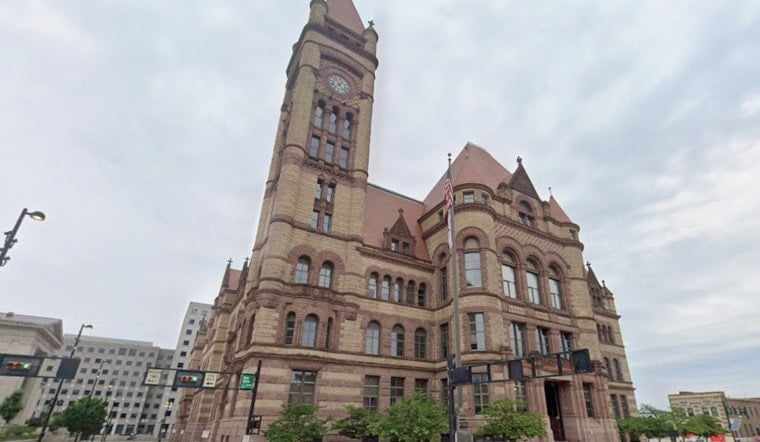
Cincinnati officials are drawing up the city's first comprehensive downtown neighborhood plan in roughly 40 years, a process that kicked off immediately and will run through spring 2027, covering everything from housing and office uses to walkability, parking and parks across the Central Business District, The Banks, the riverfront and parts of Over-the-Rhine.
The planning effort, first reported by WCPO 9 News, will be led by the design firm MKSK, which is partnering with HR&A on the project. According to the station's report, the last major downtown-focused planning effort dates back to the early 2000s, meaning this is Cincinnati's first plan of its kind in roughly four decades. Mayor Aftab Pureval said recent investments show that now is the right moment to establish a shared downtown vision, per the same account.
City Councilmember Mark Jeffreys said downtown has changed substantially since the early 2000s, and that the new plan will address infrastructure improvements affecting traffic flow, micromobility and other quality-of-life upgrades, the outlet reported. The plan is expected to take around 14 to 15 months to complete, with a framework ready for review by January 2027 and a full draft released in spring 2027. Cincinnati City Council must ultimately approve the finished plan.
Public Input Sessions Start This Fall
Stakeholder engagement and small group conversations are planned for October and November, with a larger community meeting expected in late October, the article notes. The city's planning website is already live with digital engagement tools available for residents who want to weigh in before the framework takes shape. WCPO's report does not specify a set budget for the planning process itself, nor has the outlet identified specific funding sources covering the effort.
That said, the city has already put money behind the broader initiative. In June 2025, Mayor Pureval and City Council authorized a $100,000 General Fund allocation for the Downtown Neighborhood Plan as part of a total $200,000 budgeted municipal investment in the project, according to City of Cincinnati records.
A Downtown Reshaped by Mega-Projects
The timing follows a string of catalytic investments that city leaders point to as momentum for a unified vision. The Duke Energy Convention Center reopened in January after an 18-month, $264 million renovation that expanded exhibition space to 200,000 square feet and added a 40,000-square-foot ballroom. Local leaders also approved public financing in February for a $543 million Marriott headquarters hotel project, a 21-story, 700-room tower with a skybridge connecting to the convention center.
Cincinnati and Hamilton County also secured a $25 million federal grant in July to design and build a 1.2-acre deck and public plaza over Interstate 71 along Fort Washington Way, part of a multi-phase, $187 million effort to reconnect downtown with the riverfront, as Hoodline previously reported in its Fort Washington Way cap coverage. And just this week, Valvoline Global Operations announced it will relocate its global headquarters to 312 Elm Street downtown, bringing up to 120 corporate jobs in spring 2027 under a nine-year job creation tax credit from the Ohio Tax Credit Authority.
Balancing Office Vacancy With Residential Growth
Downtown Cincinnati currently supports a residential population exceeding 16,000 people alongside a daily office workforce topping 80,000, according to figures from 3CDC, the nonprofit development corporation that has directed more than $2 billion across over 100 projects in the Central Business District and Over-the-Rhine since its founding in 2003. That mixed profile sits against a difficult regional office market: Greater Cincinnati's office vacancy rate hit a post-pandemic peak of 25.9% in the second quarter of 2026, according to Cushman & Wakefield, even as the Central Business District has held relatively steadier thanks to active office-to-residential conversions, including the recent transformation of the historic Hooper Building into 102 textile lofts.
Cincinnati's citywide comprehensive plan, Plan Cincinnati, was adopted by City Council in November 2012 as the city's first citywide plan in 30 years, according to the Ohio Planning Association. The new downtown neighborhood plan will operate underneath that broader framework, giving planners a chance to knit together the Central Business District, The Banks and Over-the-Rhine at a moment when downtown has already begun reclaiming space for itself, including two city blocks directly west of the convention center. Whether the finished document can reconcile competing demands from office towers, residential towers, and public infrastructure won't be clear until the draft lands next spring.





