

























































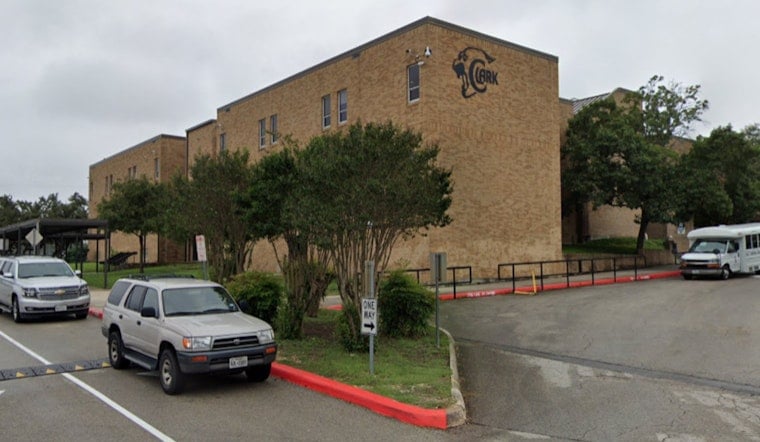
About a dozen unoccupied rooms at Clark High School in San Antonio turned up elevated levels of surface allergens, including dust, mold spores and pollen, as Northside ISD prepared the campus for the new school year. District officials say the rooms are concentrated primarily on the lower level of Building A and around the auditorium, and crews have been deep cleaning and disinfecting the affected areas while running industrial air scrubbers to clear the air.
The discovery came when maintenance crews powered building systems back on ahead of students returning, according to WOAI. Northside ISD's academic calendar set the first day of school for August 10, meaning the cleanup has unfolded during the opening days of the 2026-2027 year, per Northside Independent School District. Some of the flagged rooms have already been cleared and returned to student use, while a handful of classrooms are still being cleaned, the station reports.
A Campus Mid-Construction
Clark High School, located at 5150 De Zavala Road, serves approximately 2,750 students in grades 9 through 12, according to HAR.com. The campus is also in the midst of a $42 million fine arts addition and auditorium construction project, funded by Northside ISD's voter-approved $992 million bond from 2022, with the work registered with the state late last year and expected to wrap in May 2027, per the Texas Department of Licensing and Regulation. Dust and airborne moisture generated by that construction near unoccupied zones is the kind of activity that can accumulate when buildings sit dormant over summer before systems are switched back on for the school year.
Northside ISD is the fourth-largest public school district in Texas, serving more than 102,000 students across San Antonio and Bexar County, according to Community Impact. Facilities of that scale mean environmental remediation work is not unusual as campuses transition from summer shutdown to full occupancy each August.
Why There's No Single Safety Number
Texas law regulates large-scale mold remediation, requiring state-licensed professionals once contamination exceeds 25 contiguous square feet under Texas Occupations Code Chapter 1958, according to the Environmental Law Institute. But neither the U.S. Environmental Protection Agency nor Texas state health authorities set an official numerical safety threshold for airborne mold spore concentrations, the Houston Health Department notes, recommending instead that moisture sources be corrected and affected materials cleaned or replaced. That means Northside ISD's response at Clark High hinges on visible cleaning, air scrubber filtration and restored HVAC airflow rather than hitting a specific numeric benchmark.
The industrial HEPA air scrubbers deployed at the school are designed to capture 99.97% of airborne particles down to 0.3 microns, according to HEPACART, preventing dislodged mold spores, dust and pollen from recirculating through the school's central HVAC system while surfaces are cleaned. Texas also maintains Voluntary Indoor Air Quality Guidelines for Government Buildings, including public schools, under Health and Safety Code Chapter 385, per the State Office of Risk Management, to help districts manage ventilation and moisture proactively.
Part of a Bumpy Start to the Year
The allergen cleanup at Clark High isn't the only environmental headache Northside ISD has faced this month. In mid-August, the district faced scrutiny after heat index temperatures reaching 107 degrees triggered cooling system failures and sweltering classrooms at Pat Neff Middle School, as Hoodline previously reported. Indoor air quality and HVAC maintenance have been recurring topics for the district before, including a 2020 energy report in which former facilities staff raised concerns about monitoring and preventive maintenance backlogs, according to the San Antonio Report. Taken together, the incidents illustrate the operational strain on Texas's fourth-largest school district as its campuses shift from summer shutdown back to daily use.





