

























































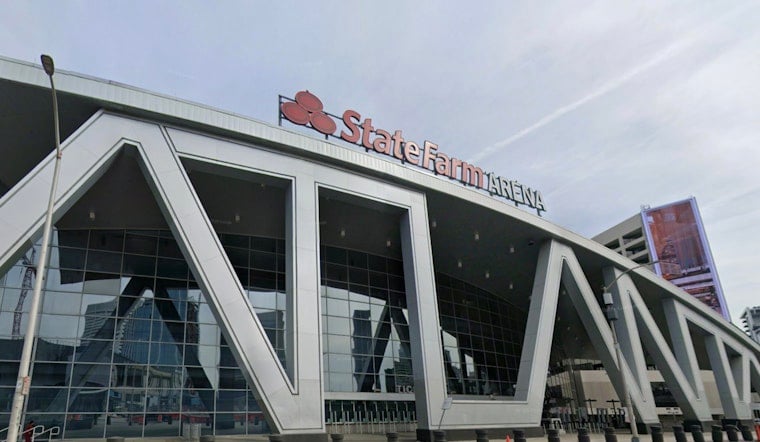
An overtime thriller between the Indiana Fever and Atlanta Dream drew an average audience of 2.6 million viewers, making it the most-watched WNBA game in cable television history, regular season or playoffs. Caitlin Clark's Fever escaped Atlanta with a 95-91 win on August 16 after Angel Reese missed a potential game-winning layup in the closing seconds of regulation, sending the contest to an extra period that pushed the broadcast's audience to a peak of 4 million viewers.
The game aired on ESPN and, as reported by the New York Post, marked the third game in the previous two weeks to average more than 2.5 million viewers. The network's audience for the matchup was up 178% compared with last year's ESPN coverage, according to the Post's reporting, underscoring how quickly the Clark-Reese rivalry has translated into television ratings gold since the two faced off as college rivals. Atlanta played the game without starter Jordin Canada, who was out sick, and reserve Brionna Jones, who was sidelined by injury, according to the Atlanta Journal-Constitution.
A Rivalry Renewed in a New Conference
The stakes around this particular meeting were heightened by Reese's offseason move. Atlanta acquired Reese from the Chicago Sky on April 6, 2026, in a trade that sent the Dream's 2027 and 2028 first-round draft picks, plus a 2028 second-round pick swap option, to Chicago, according to the Atlanta Dream. The trade placed Reese in the Eastern Conference alongside Clark's Fever for the first time as professionals, refreshing a rivalry that dates back to their college days.
Reese has continued building her résumé as an elite rebounder since arriving in Atlanta. By June 9, she had recorded 57 career double-doubles across her first 75 WNBA games, setting a league record for most double-doubles that early in a career, per the league's own accounting. She previously set the WNBA rookie double-double record and, before turning pro, led LSU to its first national championship while also building a cultural footprint through fashion and other ventures, the Post notes.
Clark's MVP-Caliber Stretch
Clark, 24, enters the conversation as one of the top faces in the WNBA on the strength of a dominant individual stretch. Two days after the record broadcast, she was named WNBA Eastern Conference Player of the Week for Week 12, her fourth such honor of the season, after averaging 25.7 points and a league-leading 9.7 assists during a four-game Fever winning streak, according to the Indiana Fever. In July, Clark became the first player in WNBA history to record at least 40 points and 10 assists in a single game, pouring in a franchise-record 45 points against the Seattle Storm.
The Post also reported a lighter moment tied to Clark's rising profile: ahead of the Fever's matchup against the Toronto Tempo, a young fan presented her with flowers, a small scene that has become part of the broader narrative around her drawing power at arenas around the league.
Part of a Larger Ratings Surge
The August 16 broadcast did not happen in isolation. It came just over a week after an August 8 Fever-Sky matchup on ABC also drew 2.6 million average viewers, which at the time stood as ESPN's second most-watched WNBA game on record, according to The Spun. That means ESPN delivered a record-setting WNBA audience for two consecutive weeks.
The surge in viewership tracks with a broader commercial expansion across the league. In May, the WNBA finalized an 11-year media rights deal worth $3.1 billion with partners including Disney, NBCUniversal, Amazon Prime Video, Paramount, Scripps, and USA Network, averaging $281 million annually, as reported by Just Women's Sports — nearly a 6.5-fold increase over the league's previous annual media deal value. The league also grew to 15 active franchises this season with the debut of the Toronto Tempo and Portland Fire, marking its first international team in Canada.
Live attendance has climbed alongside television audiences. The WNBA posted back-to-back historic regular-season attendance records in 2025 and 2026, led by the Golden State Valkyries, who averaged more than 18,000 fans per home game, according to Front Office Sports. The league surpassed 3 million total attendees as multiple franchises routinely sold out their arenas, a stretch that has run in parallel with the record-setting broadcasts featuring Clark and Reese.





