

























































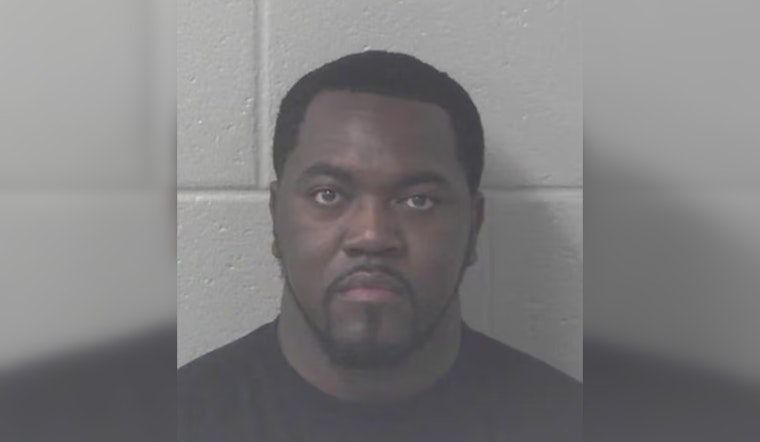
A former Covington police officer has been booked into the Newton County Jail on five felony counts of violation of oath by a public officer and five misdemeanor counts tied to misuse of license plate reader data, according to Georgia Bureau of Investigation records and statements released Thursday. Michael Canty, 29, is the latest north Georgia law enforcement official accused of misusing the Flock camera system, a license plate tracking network used by police departments across the state.
Internal Audit Triggered the Investigation
Canty’s arrest traces back to an internal Covington Police Department audit that uncovered what investigators described as an irregularly high pattern of activity tied to his use of the department’s Flock technology, according to WSB-TV. That finding led to his termination on July 27, and the department referred its findings to the Georgia Bureau of Investigation on August 6. The GBI has said its preliminary investigation found that Canty accessed the Flock system for non-law enforcement purposes, though the agency has released no further details about the case, as reported by Atlanta News First.
Georgia Peace Officer Standards and Training records show Canty joined the Covington Police Department in October 2022, giving him nearly four years on the force before his firing. Officials have not disclosed who Canty allegedly searched for or whether the queries involved personal acquaintances, leaving the motive behind the searches an open question in the ongoing investigation.
What the Charges Actually Mean
The felony counts against Canty fall under Georgia Code § 16-10-1, which makes it a crime for a public officer to willfully and intentionally violate their sworn oath, punishable by one to five years in prison. The misdemeanor counts stem from Georgia Code § 35-1-22, which limits access to captured license plate reader data to official law enforcement purposes and makes knowingly obtaining or using that data under false pretenses a high and aggravated misdemeanor for each offense.
That same statute, under subsection (f), exempts license plate reader data from disclosure under the Georgia Open Records Act. That exemption means the public generally cannot request the raw search logs itself, leaving internal department audits and state criminal investigations as the primary tools for catching misuse of the technology.
Part of a Wider Statewide Pattern
Canty’s case is not isolated. More than 20 Georgia law enforcement personnel across departments in Albany, Cherokee County, Habersham County, Richmond County, and Savannah have faced termination or criminal charges in 2026 following internal audits into unauthorized Flock camera searches, according to a release distributed via GlobeNewswire. Hoodline has separately covered related cases, including a second Habersham deputy fired in a month and a fourth deputy charged in Cherokee County.
Atlanta-based Flock Safety, which builds the license plate reader network used by Covington and other departments, announced platform-wide policy changes on August 13. The updates require all law enforcement customers to adopt an automated AI Audit Assistance feature by the end of the year, a tool designed to flag abnormal search behavior and automatically suspend accounts pending internal review, per Recorded Future News. The company also shortened its recommended default data retention window from 30 days to just 7 days, even though Georgia law permits agencies to store captured plate data for up to 30 months before mandatory destruction.
Lawmakers Weigh In on Oversight
Georgia State Senator John Albers, who chairs the Senate Public Safety Committee, publicly addressed the statewide wave of ALPR misuse cases on August 24. Albers called for stricter administrative oversight of the technology while defending its effectiveness in tracking violent crime suspects and locating missing persons, according to the Georgia Senate Press Office.
The tension Albers described sits at the center of the statewide reckoning: Flock cameras have expanded rapidly across Georgia as a crime-fighting tool, but the same law that keeps the data out of criminal hands also keeps it largely out of public view. With ALPR data shielded from open records requests, agency-led audits like the one that caught Canty remain the primary check on whether officers are using the system as intended.





