

























































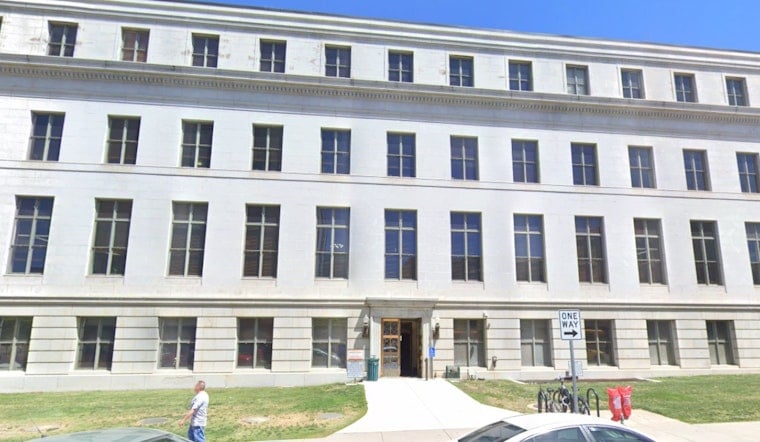
A Denver-based independent repair business has filed lawsuits against two Boston-area technology companies, accusing them of illegally blocking access to the parts and documentation needed to fix their devices. Acme Revival filed two separate but similar complaints against Toast, Inc. and Owl Labs, both alleging violations of Colorado's new right-to-repair law.
The lawsuits, filed in Denver District Court, claim Toast and Owl Labs restricted access to repair materials, according to Acme Revival. As reported by The Business Journal, Acme Revival is seeking both an injunction and damages against the two Boston-based companies. Toast develops point-of-sale systems widely used in restaurants, while Owl Labs makes video-conferencing hardware like the Meeting Owl and Whiteboard Owl.
According to Acme Revival's own account of the Toast case, the company says it made repeated written demands for service manuals, schematics, replacement parts, and diagnostic tools after fielding hundreds of repair requests for Toast-branded point-of-sale terminals and payment readers, and that Toast deceptively refused. That lawsuit was filed in Denver District Court in July.
A Second Suit Targets Meeting Owl Devices
The Owl Labs complaint, filed on July 23, alleges the company violated Colorado repair law by refusing to provide parts and schematics after Acme Revival received at least 25 repair requests in 2026 for devices including the Meeting Owl and Whiteboard Owl. Acme Revival filed that suit separately, though it mirrors the legal theory behind the Toast case.
Both complaints rely on Colorado's Consumer Repair Bill of Rights Act, known as HB 24-1121, which took effect January 1, requiring manufacturers of digital electronic equipment with microprocessors to give independent repair providers and device owners access to replacement parts, diagnostic tools, and repair documentation on fair terms. Colorado lawmakers had already carved out limits to that law the year before: HB 25-1330, passed in 2025, created what's been called the “Entanglement Exception,” excluding quantum computing and quantum sensing devices from the repair mandate.
Part of a Broader Legal Campaign
Toast and Owl Labs aren't Acme Revival's only targets. The repair company also filed a separate 2026 lawsuit against digital video equipment manufacturer Blackmagic Design under the same Colorado statute, according to Waste Dive, suggesting a multi-company legal push rather than an isolated dispute.
Toast has been in the news recently for other reasons. The company integrated its point-of-sale hardware with reservation platforms like Resy this month to stream diner profiles directly onto restaurant terminals, a reservation app turf war Hoodline covered days before the repair lawsuits surfaced.
Acme Revival's Own Legal History Draws Scrutiny
While Acme Revival casts itself as a champion of consumer repair rights, the company's record with its own customers has drawn scrutiny from Colorado courts and law enforcement. Court records and local investigative reports found that in 2024 and early 2025, Acme Revival filed at least 85 lawsuits against its own online repair customers over alleged unpaid storage and legal fees for devices those customers had mailed in, according to Denver7.
In February 2025, a Colorado county judge dismissed nearly 50 of those lawsuits against out-of-state customers for lack of jurisdiction. Denver7's reporting notes that Acme Revival CEO Logan Beck said afterward the company would change its policies and halt storage-fee suits. Then in June 2025, the Colorado Attorney General's Office intervened in Beck's personal bankruptcy case, publicly describing the company's customer fee collection practices as “the definition of a fraudulent scheme.”
Part of a Wider National Trend
Colorado's law joins a fast-growing list of state right-to-repair statutes. Minnesota enacted broad consumer repair legislation in 2023, Oregon followed in 2024, and Washington State passed its own version, HB 1483, in May 2025 — a law Hoodline covered when it granted repair rights to consumers and independent shops there. Together, these statutes reflect a broader legislative push to force manufacturers of digital electronics to open up parts and documentation once tightly guarded.
Whether Colorado's law will hold up as a durable enforcement tool now rests partly on how these cases play out in Denver District Court. Toast and Owl Labs have not yet had their responses detailed in available reporting, leaving open how the two Boston-based companies plan to counter Acme Revival's claims.





