

























































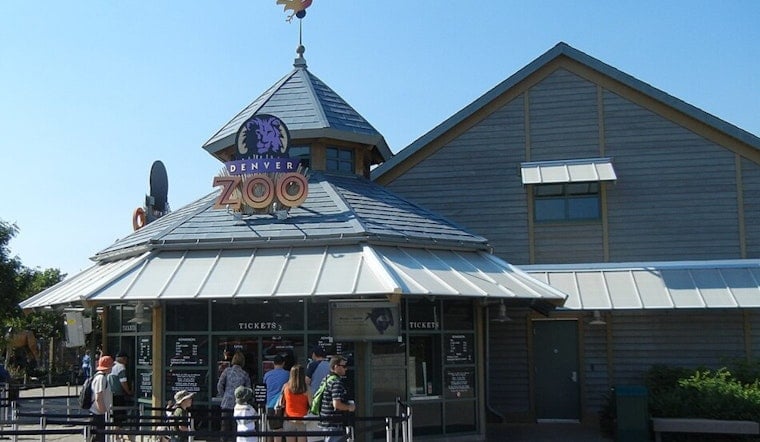
Denver Zoo Conservation Alliance is throwing its seventh annual Flock Party on Saturday, August 22, and this year the flamingo-themed fundraiser is starting earlier than in past years to squeeze in more up-close animal experiences. The adults-only bash runs from 2 p.m. to 7 p.m. on the zoo campus, mixing craft cocktails, small-plate tastings and live music with a chance to mingle with animal ambassadors, including a three-banded armadillo named Chaco. Guests age 21 and older are encouraged to show up in flamingo-inspired outfits for what has become one of the zoo's signature social events of the year.
The event, reported by CBS Colorado, doubles as a milestone celebration: 2026 marks 130 years since Denver Zoo's founding. Jake Kubié, director of public relations and brand communications at Denver Zoo Conservation Alliance, told the outlet the event combines a regular zoo experience with adults-only music, food and drinks. Kubié also said the later-afternoon-to-early-evening schedule this year will allow for more animal experiences than previous iterations of the party.
A Flamingo Walk and a South American Armadillo
The centerpiece of the evening remains the flamingo walk, in which Denver Zoo Conservation Alliance leads guests through the campus alongside its flock. Chaco, the three-banded armadillo featured at this year's animal experiences, hails from South America and is notably smaller than the nine-banded armadillo native to the United States, per the same CBS Colorado report. The flamingo theme has deep roots at the zoo: the 2023 Flock Party doubled as a public preview of the zoo's redesigned flamingo habitat, a climate-controlled, aquatic-feature exhibit built for its flock of more than 80 American and Chilean flamingos, according to Colorado Politics.
Ticket sales this year go directly toward zoo operations, including care for the roughly 3,000 animals living at Denver Zoo, as well as global wildlife conservation efforts spanning Africa, South America, Colorado and Asia. That local-to-global funding model has become a hallmark of the event: the sixth annual Flock Party, held in September 2025, drew about 2,500 attendees and raised more than $1 million for zoo operations and wildlife conservation, up from $800,000 the year before, according to Meetings + Events. The Flock Party also partners with Denver culinary groups such as Bonanno Concepts for its small-plate tastings, alongside a multi-stage live music lineup the event bills as Featherfest, featuring local bluegrass bands, string ensembles and tribute acts, the same outlet reports.
From a Single Bear Cub to a Global Conservation Alliance
The 130-year milestone traces back to 1896, when Denver Mayor Thomas S. McMurry was gifted an orphaned American black bear cub named Billy Bryan, effectively founding what became Denver Zoo, according to the Colorado Encyclopedia. In 1918, the zoo built Bear Mountain, recognized as the first naturalistic, cage-free exhibit in the United States, replacing iron bars with concrete rock casts modeled after local Rocky Mountain foothills. The organization has grown into an 80-acre campus in City Park with roughly 350 staff caring for more than 3,000 animals across 600 species, drawing nearly 2 million visitors a year as one of Colorado's most-visited cultural attractions, per the encyclopedia's account.
That growth culminated in a formal identity shift: in June 2024, the zoo officially rebranded as Denver Zoo Conservation Alliance after five years of strategic planning, a change meant to highlight its global scientific research and field conservation work alongside its public campus, as reported by CBS News Colorado. This year's Flock Party arrives as part of a summer-long 130th Anniversary Celebration running from May 25 through September 7, which includes extended weekend night hours until 9 p.m. and animal birthday events, according to Visit Denver.
Where the Money Goes: Colorado Toads and Peruvian Frogs
Fundraising proceeds do not stop at the zoo's gates. In Colorado, the organization partners with Colorado Parks and Wildlife to breed state-endangered boreal toads in captivity, having reintroduced 2,200 tadpoles in 2024 and 300 toadlets in 2025 into alpine wetlands where wild adult populations total fewer than 800, according to Denver Zoo Conservation Alliance's own account of its boreal toad recovery work. Boreal toads face severe threats from habitat loss and the deadly chytrid fungus, according to the source.
Farther afield, the zoo has conducted field conservation work since 2008 in Peru's Lakes Titicaca and Junín, aiming to protect endangered aquatic frogs threatened by mining pollution, invasive species and chytrid fungus. The Titicaca water frog and Lake Junín frog rank among the largest fully aquatic amphibians in the world, according to details of the zoo's conservation program. It's the kind of far-reaching work that has occasionally intersected with Hoodline's own venomous stowaway viper story and past reporting on the zoo's endangered foal birth, underscoring how animal care at the City Park campus connects to species survival efforts well beyond Denver.




