

























































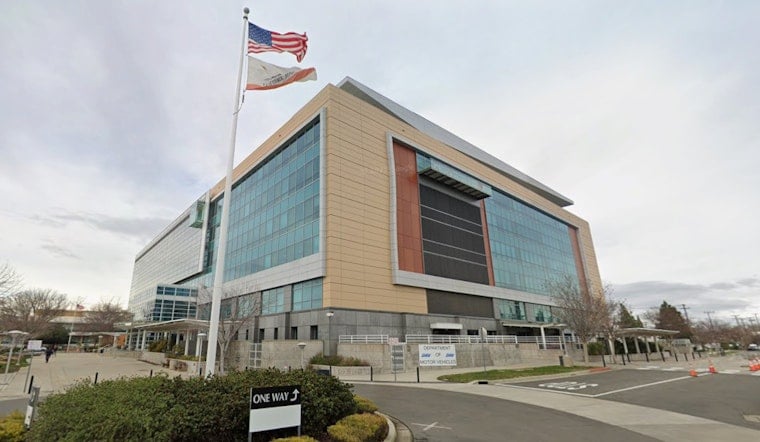
A California Department of Motor Vehicles employee has sued the agency and her former supervisor, alleging he sexually harassed her for months, offered her a promotion in exchange for a hotel visit, and later threatened her after she reported the conduct to management. The employee still works at the DMV, but says the fallout has left her struggling to find a new position within state government.
The lawsuit, filed in Sacramento County Superior Court on August 24, accuses the supervisor of sexually harassing the woman beginning in August 2025, according to the Sacramento Bee. The complaint alleges he asked her sexual questions, requested sexual favors, and at one point invited her to a hotel in exchange for a promotion. The supervisor does not face criminal charges, but he is named as a defendant in the civil suit alongside the DMV itself.
According to the lawsuit, the employee reported the incidents to her unit manager, and the DMV investigated the reported harassment. Rather than resolving the situation, the complaint alleges the supervisor threatened her after she came forward. The DMV later transferred the employee to a different team, a move her attorney says has complicated rather than helped her career.
Emotional Toll and a Stalled Career
The stress of the alleged harassment and its aftermath took a physical and emotional toll on the employee, who went on medical leave in May 2026, per the Sacramento Bee's reporting. She remains employed by the DMV but is now trying to transfer to a different state job altogether.
Her attorney, Sacramento lawyer Jesse Ortiz, said hiring managers considering her for other state roles have run into obstacles tied directly to the fallout from her complaint. Ortiz said his client is struggling to find a state role because hiring managers require a supervisor reference or notice her absenteeism — both consequences, he argues, of the harassment and the DMV's handling of it. Ortiz has practiced civil litigation, labor, and criminal defense law in Sacramento County since founding his own practice in 1998 after graduating from the University of the Pacific's McGeorge School of Law, according to the Ortiz Law Group.
The employee received a Right-to-Sue notice from California's Civil Rights Department in April 2026. Under the department's procedures, workers alleging FEHA violations must first exhaust administrative remedies by filing an intake complaint before receiving that notice, which then starts a strict one-year clock to file a civil suit — meaning the August filing fell within the deadline. The lawsuit seeks monetary relief in an amount to be determined at trial. A DMV spokesperson declined to comment on the pending litigation, the Bee reported.
Audit Found Dozens of Supervisors Missed Required Training
The lawsuit leans in part on findings from a State Personnel Board audit that examined 177 newly promoted DMV supervisors and found that 49 of them did not receive legally mandated sexual harassment prevention training within six months of being hired. Under California Government Code § 12950.1, employers with five or more employees must provide at least two hours of interactive sexual harassment prevention training to supervisors every two years, and within six months of a promotion into a supervisory role.
That training gap could matter beyond the individual allegations. California's Fair Employment and Housing Act, under Government Code § 12940(k), creates independent liability for employers that fail to take reasonable steps to prevent harassment — separate from liability tied to the underlying misconduct itself. The State Personnel Board, established under Article VII of the California Constitution, oversees merit-based civil service rules for more than 200,000 state workers and regularly audits departments for compliance with training mandates like this one.
The allegation that the supervisor conditioned a promotion on a hotel visit falls under what California law defines as quid pro quo harassment, a category under Government Code § 12940 that carries strict liability for employers when the conduct involves supervisory employees, distinct from broader hostile work environment claims. Separately, the lawsuit's reference to a threat made after the employee reported the harassment touches on conduct that, if charged criminally, could fall under Penal Code § 422, which classifies criminal threats as a wobbler offense punishable as either a misdemeanor or a felony — though no criminal charges have been filed in this case.
Part of a Broader Pattern in Sacramento
The DMV case follows a string of recent public-sector harassment and retaliation lawsuits filed in Sacramento County Superior Court. In June, a veteran Sacramento County Sheriff's captain filed suit accusing an Elk Grove police chief of torching her career after alleging sexual harassment and coercion. In February, a lawsuit accused a Sacramento City Unified School District teacher of a year-long pattern of sexual harassment and alleged the district retaliated against a classroom aide by transferring her after she complained internally. And in August, a former Sacramento Kings trainer sued the team alleging her boss made threatening remarks after she disclosed her pregnancy.
Under Government Code § 12940(h), California law bars employers from retaliating against employees who report sexual harassment through actions like involuntary transfers or diminished career opportunities — the same protections at the center of the DMV employee's claim that her reassignment and resulting absenteeism have hurt rather than helped her standing with the state. Whether the DMV's transfer of the employee protected her or compounded her career disruption is likely to be a central question as the case moves through Sacramento County Superior Court.





