

























































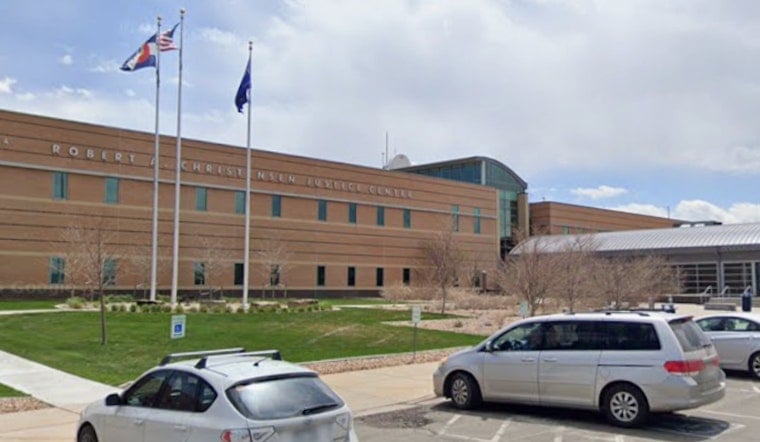
Douglas County commissioners voted unanimously to approve the official ballot title for the citizen-led 3-to-5 initiative, locking in language that tells voters the measure could cost the county between $577,000 and just over $3.3 million through 2029. The vote came with a hard deadline looming — ballots must be finalized by September 4 — and it followed a public comment period dominated by supporters of the initiative who packed the meeting to push back against the added cost language.
The measure itself, which will appear before voters on November 3, asks whether Douglas County should expand its board of county commissioners from three members to five, according to Denver7. County Attorney Jeff Garcia told commissioners that state law, C.R.S. 31-11, requires the board to adopt the title, and that the language must reduce voter confusion and clarify the effect of a yes or no vote. The ballot itself will actually contain two questions: one on whether to expand the board at all, and a second on how the five commissioners would be elected — either entirely by single-member district or through a hybrid of three district seats and two at-large seats, according to DougCo Social.
County budget staffer Dan Avery presented the cost estimates behind the new ballot language, explaining that the figures include both one-time expenses and recurring annual costs. Under a mid-range scenario, the county could incur $1.35 million in costs through 2029, while an upper estimate put the total at just over $3.3 million. Avery also reported that adding up to 11 full-time equivalent positions — a staffing structure Avery compared to Adams County's model — could cost $1.8 million annually, while a smaller scenario involving six additional positions was estimated at $1.9 million through 2029.
How Other Counties Staff Their Boards
Avery's presentation leaned on comparisons to other Colorado counties that already operate with five commissioners. Adams County, the presentation noted, employs a county manager, three deputy county managers, a chief of staff, seven administrative positions, and three management analysts to support its expanded board. Arapahoe County, meanwhile, runs with two executive management staff, three administrative staff, and four management analysts. Colorado's constitution and state statute permit counties with populations of 70,000 or more to move from three to five commissioners through either voter approval or a commission-referred measure, a threshold Douglas County — now home to more than 400,000 residents — cleared long ago, according to The Kim Monson Show.
Commissioners were careful to specify what the ballot title does not say. The additional costs, per the resolution, would not increase taxes; instead, the money would be drawn from the county's general fund, the same pool that supports public safety, transportation, and other essential services. Commissioner Dana Bonham, who supported the resolution, said voters need to know that costs would come from the general fund and could affect public safety and other crucial services.
Supporters Cry Foul Over Timing and Tone
Not everyone at the meeting was satisfied with how the county arrived at that language. Commissioner Julie Ort expressed concern that the resolution was being decided at the last minute, and campaign organizer Angela Thomas said petition signers did not see or agree to the added ballot language when they signed on to qualify the initiative. Thomas also confirmed she had personally asked whether the resolution could be completed quickly, prompting Commissioner George Teal to note that she had asked him to move with all possible haste.
The friction over process echoes a fight that began months earlier. Douglas County Clerk and Recorder Jennifer Pinegar criticized the 3-to-5 initiative for being treated differently than the commissioner-backed Home Rule charter initiative from 2025, noting that the earlier measure cost more than $700,000. That Home Rule proposal was overwhelmingly rejected by voters, 71 percent to 29 percent, in a June 2025 special election, and it notably omitted financial cost estimates from its own ballot title, according to 9News. Teal acknowledged that mistakes were made with the earlier Home Rule measure.
A Rare Citizen Petition Reaches the Ballot
The 3-to-5 initiative is notable for reasons beyond its price tag. It marks the first citizen-led petition initiative to qualify for the Douglas County ballot since 1994, a milestone that prompted the Board of County Commissioners to formally adopt new procedural rules on how the county sets ballot titles and processes citizen measures, according to Douglas County Government. The Douglas County Clerk and Recorder's office verified more than 20,000 signatures for the initiative — organizers submitted 20,434 valid signatures, well above the 15,087 required under state law, per Colorado Politics. The clerk's office has said its resolution does not remove its own legal responsibilities for voter-initiated ballot measures, and it will continue reviewing and fulfilling those obligations under Colorado law while maintaining its election security protocols.
Backers of the initiative point to Douglas County's growth as the core justification for expansion. Since 1990, the county's population has grown from roughly 60,000 residents to more than 400,000 today, while its operating budget has swelled past $650 million — all while remaining under the governance of just three commissioners, per the campaign's own materials cited by Colorado Politics. Commissioner Abe Laydon, who opposed the initiative, countered that Douglas County has managed to address homelessness, wildfires, and public health challenges with three commissioners already in place.
Teal also raised a separate legal argument during the earlier signature campaign, claiming that expanding to five commissioners would effectively end term limits in Douglas County by allowing members to rotate between district and at-large seats — an assertion that independent legal experts have disputed, according to the Colorado Times Recorder. That same outlet has reported that the Douglas County Republican Party built a section of its website opposing the expansion that included an unpopulated tool meant to publish an interactive map of the names and home addresses of the more than 20,000 petition signers, a move supporters have called voter intimidation.
A second ballot measure, which concerns preserving Douglas County voters' rights to elect all members of the county commission, was moved to a special business meeting scheduled for August 31 at 8:30 a.m. after commissioners learned of an issue related to that measure during an executive session with Garcia. With the September 4 finalization deadline just days away, county officials and campaign organizers on both sides are racing to settle the remaining details before ballots go to print for the November 3 election.




