

























































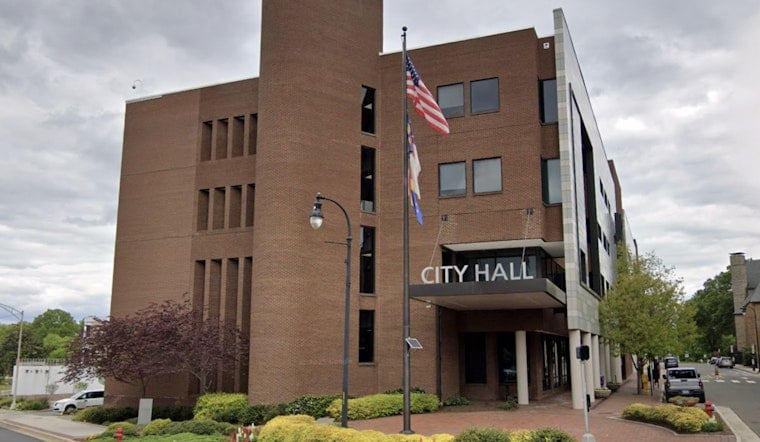
Durham's seven-member city council hasn't changed size since 2001, but a proposal now on the table could add two new seats — one ward seat and one at-large seat — in a bid to give neighborhoods more direct representation. The idea came from DeDreana Freeman, who spent eight years representing Ward 1 on the council before losing her November 2025 re-election bid to challenger Matt Kopac, and it has drawn public support from Mayor Leonardo Williams.
Freeman presented her proposal to add one ward seat and one at-large seat at a Durham City Council meeting on August 20, according to reporting by the Raleigh News & Observer. She said the change would improve the balance between citywide and neighborhood representation, a concern that stems from how Durham currently runs its ward elections: candidates must live in the ward they represent, but every registered voter citywide gets to vote on all ward seats, according to official Durham City Council work session records from May. Advocates for a true ward system argue that setup lets citywide campaign muscle overshadow hyper-local representation, rather than letting each neighborhood pick its own representative directly.
Under Durham's current structure, the council includes the mayor, three ward members and three at-large members. Freeman's proposal would bring that to a mayor, four ward members and four at-large members — nine seats in total. The council could expand its own membership by a simple council vote, since North Carolina law does not prohibit a city from determining the size and structure of its own council, and state statute requires city councils to have between three and 12 members.
A Council That Used to Be Nearly Twice as Big
Durham's council wasn't always this small. The city operated with a 13-member council until Durham voters approved a 2001 charter amendment that downsized it to seven, per the News & Observer's reporting. Former council member Floyd McKissick Jr., who served on the council from 1993 to 2001, told the paper the reduction back then was driven largely by political frustration over council compensation and attacks from critics — not necessarily because the larger council wasn't functioning well.
“A 13-member council worked pretty well,” McKissick said, according to the same report, adding that the larger body enabled more civic engagement and let council members lean on committees that brought issue-specific expertise into the fold. McKissick said he supports expanding the council again.
Mayor Wants Longer Term, Too — But Election Timing Is a Different Fight
Mayor Williams has previously brought an election modernization package before the city council and now supports Freeman's nine-member proposal. He's also floated extending the mayoral term from two years to four, and separately proposed moving city elections to even-numbered years — a change he says would meet residents' expectations. But Williams told the paper the deadline to formally change Durham's election laws for the next cycle had already passed.
That's because election timing isn't something Durham can decide on its own. North Carolina is a Dillon's Rule state, meaning local governments lack independent constitutional authority and rely on the North Carolina General Assembly for their power. Legal guidance from the UNC School of Government confirms that while Durham can alter council size and mayoral terms through local ordinance — adopting a resolution, calling a public hearing, and passing an ordinance, potentially made effective by a public vote — shifting elections to even-numbered years requires the General Assembly's sign-off.
Neighboring Raleigh already went through that process. The Triangle city shifted its municipal elections to even-numbered years after the General Assembly passed Session Law 2021-56, and Raleigh has since adopted four-year staggered council terms starting this year, according to the North Carolina General Assembly. Durham officials have pointed to that shift as a model, since moving to even-numbered years is projected to cut Durham's election costs from roughly $1 million to around $200,000 while also boosting voter turnout.
The Price Tag Behind the Push
Money is a real driver here. Durham's municipal election costs have doubled from $374,000 in 2017 to more than $800,000 for both the 2023 and 2025 cycles, costing the city over $3.24 million across five years just to reimburse Durham County for administering odd-year elections, according to INDY Week. Those figures were part of a broader reform menu that Durham Board of Elections Chair David Boone and Elections Director Derek Bowens presented to the city council in May, which also included adopting a true ward voting system and eliminating municipal primaries in favor of a single nonpartisan general election.
Residents don't necessarily have to wait on the council, either. Durham residents can bypass city council approval through a petition, which requires signatures from at least 10% of eligible voters or 5,000 voters — whichever is fewer — and would force the city to hold a special election. With Durham now home to more than 317,000 residents, the stakes of getting representation right have grown alongside the population.
Williams has said he plans to introduce a formal proposal to change the council's structure at a later date. In the meantime, the debate sits at the intersection of what Durham can do on its own and what it needs Raleigh's blessing to accomplish — a distinction that will likely shape how quickly, and how thoroughly, any of these changes actually take effect.





