

























































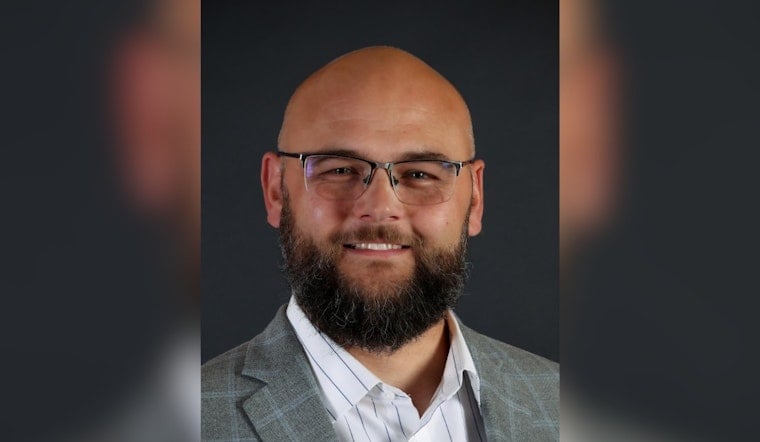
Joe Anderson, the 45-year-old mayor pro tem of Englewood, Colorado, died after collapsing while hiking Quandary Peak, a 14,272-foot mountain about six miles south of Breckenridge in Summit County. Anderson had been hiking the lower slopes of the peak when he struggled to breathe and lost consciousness, according to reporting from the Denver Gazette. Other hikers began CPR before deputies and emergency responders took over care around 6:40 a.m., but the response efforts were unsuccessful, and Anderson was pronounced dead at the scene.
The 11th-highest mountain in Colorado, Quandary Peak, is often described as one of the state's more approachable 14ers, but reaching its summit via the standard East Ridge route still requires a 7.5-mile round-trip hike with roughly 3,450 feet of elevation gain, according to Personal Trainer Denver. The Summit County Rescue Group, which operates under the Summit County Sheriff's Office, handles between 50 and 80 all-call search and rescue missions each year on high-altitude peaks like Quandary, per the Summit County Sheriff's Office. Exertion at high elevation can trigger sudden altitude sickness or cardiovascular emergencies, a risk that experienced hikers sometimes underestimate on trails with beginner-friendly reputations. A coroner will determine Anderson's official cause of death, a detail that remains unresolved as of this reporting, as first reported by the New York Post.
A Council Member Remembered as Pastor and Friend
Anderson had served on Englewood's City Council since 2019, representing District 3, and was reelected in November 2023 to a term that was set to run through November 2027. He became the city's mayor pro tem in December 2023. Before entering politics, Anderson worked as a pastor, and Mayor Othoniel Sierra said his death was a tremendous loss for Englewood, describing him as someone who helped others as a friend, neighbor, pastor, and council member.
Outgoing Englewood City Manager Shawn Lewis, who was in his final period leading the city, described Anderson as an effective, productive, and positive council member who encouraged people while challenging them to improve. Lewis recalled that during the pandemic, when his parents were hospitalized, Anderson offered to pray for his family and continued checking in on him afterward. Sierra added that Englewood was shocked and saddened by the sudden passing of a man who had shaped so much of city life.
A Legacy in Flood Recovery and Housing Reform
Anderson helped rebuild Englewood's infrastructure following deadly flooding in 2018, encouraging the master plans and funding models that eventually led to the city's $23 million South Englewood Flood Reduction Project, completed in late 2025. That project built new regional stormwater detention ponds near Navajo Street and Rotolo Park, according to the City of Englewood. He was also a key advocate for CodeNext, the city's first major overhaul of its Unified Development Code in nearly two years, which expanded accessory dwelling unit allowances and enabled smaller housing lot sizes to improve affordability — a rewrite that prompted intense community debate and an unsuccessful recall effort against council members in 2023.
Beyond zoning, Anderson served as Englewood's representative on the Tri-Cities Homelessness Policy Committee, a regional coalition formed in 2018, where he helped recruit the area's first homelessness navigation center and establish a workforce development program run by the nonprofit Bridge House across Englewood, Littleton and Sheridan. He also helped found the nonprofit Change the Trend, which addresses homelessness, and before his time in office, he led Englewood's largest annual volunteer initiative, originally called Be a Tool and later renamed the Neighborhood Rehab Project, delivering free home repairs to low-income seniors and disabled residents, according to CBS News.
What Comes Next for Englewood's District 3 Seat
Anderson also championed 15-minute city planning principles and multi-modal transportation projects in Englewood, including the Oxford Pedestrian Bridge and expanded municipal bike lanes, reflecting his own frequent use of the city's walking and cycling infrastructure. His sudden death now leaves a vacancy on Englewood's seven-member council, which is made up of four district representatives and three at-large members.
Under Colorado law, when a municipal elected seat becomes vacant, the city's governing body must either appoint an eligible elector or call a special election within 60 days to fill the unexpired term. That legal clock is now running for Englewood's District 3 seat, a process the city has not had to navigate for the remainder of Anderson's term through November 2027.





