

























































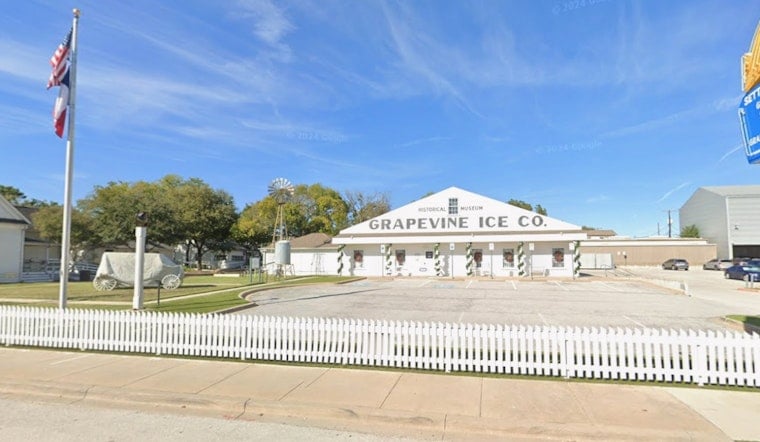
Grapevine's historic township will glow by candlelight again this fall, as the Grapevine Heritage Foundation presents its biannual Candlelight Tour of Homes on Saturday, November 14, from 4 to 7 p.m. The self-guided walking tour opens select historic properties across Grapevine's National Register neighborhoods, with check-in beginning at 3:30 p.m.
According to CultureMap Dallas, the tour features properties throughout Grapevine's historic township, an area listed on the National Register of Historic Places. Tickets run $25 in advance and $30 at the door, and the event is subject to change due to weather or other concerns, per the outlet. Ticket details are available through the Grapevine Ticket Line, and the tour is centered at Grapevine Museums & Galleries, located at 206 W. Hudgins St.
Admission includes a printed tour booklet with a map of the open properties, docent discussions at each stop, shuttle service between locations, and a complimentary glass of wine for attendees 21 and older, according to the City of Grapevine. Docents will greet participants and discuss the distinguishing characteristics of each home on the route, per CultureMap Dallas. Shuttle buses will circulate throughout the event route to help visitors move between properties, the city notes.
Where the Evening Begins
Check-in takes place at Ted R. Ware Plaza, inside the Settlement to City Museums complex — a municipal historical park that includes the 1888 Keeling House, the Donald Schoolhouse and the Grapevine Cotton Ginners Museum, per the city's own materials. The complex traces Grapevine's evolution from a 19th-century agricultural settlement into a modern city, offering context before ticket holders head out to tour the neighborhood homes.
Grapevine's historic township spans three districts listed on the National Register of Historic Places — the Commercial Historic District, the Cotton Belt Railroad Industrial Historic District and the Original Town Historic District — along with five additional local historic districts, the city says. The Commercial Historic District was first listed on the National Register in 1992. Settled in 1844 as Tarrant County's oldest permanent settlement, Grapevine saw a major building boom between 1890 and 1920 following the 1888 arrival of the St. Louis Southwestern Railway, known as the Cotton Belt Route, according to the Advisory Council on Historic Preservation. That rail line turned the prairie community into a major regional trade hub, shaping much of the architecture that the tour now highlights.
A Foundation Built Into City Government
The Grapevine Heritage Foundation, which will present the November tour, was created in 1991 alongside the city's historic preservation ordinance, the same legislation that established Grapevine's municipal Historic Preservation Commission to oversee landmark designations, per the Texas State Historical Association. The ordinance introduced design guidelines and review processes for modifications to historic buildings.
Operating as a 501(c)(3) organization housed within the Grapevine Convention & Visitors Bureau, the foundation also serves as the official board for Grapevine's Texas Main Street Program, according to the city. That board oversees preservation initiatives not just in residential districts but at downtown landmarks, the Palace Theatre and Nash Farm. Beyond the neighborhoods on the tour route, the foundation helps maintain Nash Farm, an 1859 farmstead recognized as the oldest intact operating farmstead in Tarrant County, according to the Advisory Council on Historic Preservation. Nash Farm operates today as a living-history site with heritage livestock and heirloom crops.
How the City Funds Preservation
Municipal historic preservation work and foundation activities in Grapevine are funded primarily through the Convention & Visitors Bureau and revenue generated by major annual community events, including Main Street Fest and GrapeFest, per the Grapevine Chamber of Commerce. Festival proceeds go directly toward downtown historic restoration and public heritage projects, sustaining the same properties spotlighted on tours like this one.
Property owners within Grapevine's historic township can also apply for financial help through the Grapevine Township Revitalization Program, which offers municipal restoration grants, design assistance and tax credits for maintaining historic structures, according to the city. Those grant programs can offset the cost of exterior restoration work, helping keep the railroad-era homes on the tour route intact even as the surrounding Dallas-Fort Worth metroplex continues to grow around them.



