

























































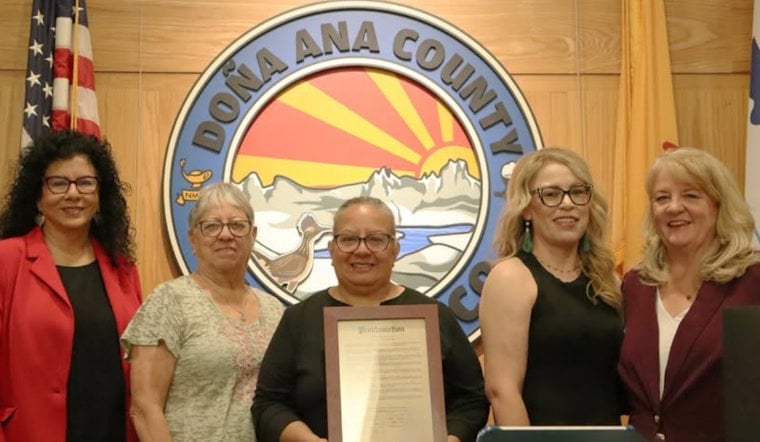
The Hatch Chile Festival returns to southern New Mexico next weekend, and this year it carries an extra honor: a formal proclamation from the Doña Ana County Board of County Commissioners recognizing more than five decades of bringing residents and visitors together around the pepper that put the village of Hatch on the map. The festival runs September 5 and 6, a Labor Day tradition that celebrates the agriculture, culture, and community spirit of the Hatch Valley.
According to the Doña Ana County Government Center, the festival has existed for more than 50 years and now attracts over 30,000 visitors each Labor Day weekend, contributing significantly to the county's culture, agriculture, economy, and community. County commissioners marked the milestone with a proclamation, a moment captured on video and shared alongside the announcement. The event began in 1971 as a small gathering of local farmers, according to the same county post, long before it grew into the sprawling celebration it is today.
A Rural Village Transformed for One Weekend
The scale of that transformation is dramatic given the size of the host village. Hatch has a year-round resident population of roughly 1,500, but that number swells roughly tenfold over Labor Day weekend as more than 30,000 festival attendees and seasonal pickers pour into the valley, according to KRWG Public Media. The village has embraced its trademarked title as the “Chile Capital of the World,” a nickname that reflects both civic pride and the sheer economic weight the crop carries locally.
This year's festival grounds are set up at the Hatch Valley High School Pecan Orchard at 170 E. Herrera Rd., with a parade launching from Canal Road and a carnival running behind Village Market, per event details reported by LasCruces.com. Admission to the main festival grounds is free to the public, the outlet notes, a detail that has helped the event grow from roughly 1,500 attendees at its 1971 debut to the tens of thousands who show up today, according to New Mexico Magazine. That growth traces back to farming families like Joseph and Celestina Franzoy, Austrian immigrants who settled in the valley in 1917 and helped establish the multi-generational agricultural lineage that eventually produced the festival.
The Economics Behind the Celebration
The festival's roots run deep into the region's agricultural economy. Doña Ana County, where Hatch sits, leads all U.S. counties in both chile pepper harvested acreage and pecan production, generating more than $420 million in gross farm income, according to reporting cited by the USDA and the Las Cruces Bulletin. Southern New Mexico as a whole accounts for roughly 66% of the state's $400 million chile industry, supporting an estimated 4,500 regional jobs in farming, harvesting, processing, and packaging, per data from Town Square Publications — work that still relies heavily on hand-harvesting.
Statewide, New Mexico farmers harvested 8,100 acres of chile peppers in 2025, producing more than 1.09 million hundredweight of peppers valued at approximately $54.8 million, according to the USDA National Agricultural Statistics Service. New Mexico grows roughly 77% of all green chile produced in the United States, with green chile making up 88% of the state's total chile harvest, per the New Mexico Department of Agriculture. Unlike red chile, which is left to mature on the vine, green chile is harvested fresh — a distinction central to the roasting rituals that define the festival.
Protecting the Hatch Name
That commercial dominance comes with legal teeth. Under the New Mexico Chile Advertising Act, it is illegal to label, advertise, or sell chile peppers or food products using the name “Hatch” or “New Mexico” unless the peppers were physically grown in the state, according to the New Mexico Department of Agriculture. Compliance is monitored through mandatory vendor registration and audits by the department's Standards and Consumer Services Division, underscoring how seriously the state protects the Hatch name from imitators.
The pods themselves owe much of their character to decades of university research. Agronomists at New Mexico State University's Chile Pepper Institute developed cultivars including the ‘NuMex Big Jim,’ which once entered the Guinness Book of World Records as the world's longest chile pepper at up to 13.5 inches, according to the institute. That breeding program traces back to pioneer horticulturist Fabián García in 1894, giving the festival's signature crop more than a century of scientific pedigree behind it.
A Statewide Point of Pride
New Mexico has enshrined its chile culture into law well beyond the advertising statute. In 2023, the state officially designated “roasting green chile” as its state aroma, joining its official state question, “Red or green?,” and its official state vegetables, the chile pepper and pinto bean, according to Wikipedia. New Mexico was the first state in the country to adopt an official state aroma, a quirky but telling sign of how central chile season is to regional identity.
The Hatch Chile Festival's reach has also spread well beyond the valley itself, with grocery chains and restaurants elsewhere building seasonal promotions around chiles sourced from the region. Hoodline has previously reported on a Texas grocer's Hatch chile event and an Arizona restaurant's seasonal roasts, both drawing directly on Hatch Valley farms. Back home in Doña Ana County, the festival remains the marquee event tying the region's water-dependent farmland, its legal protections, and its half-century of tradition together for one Labor Day weekend.



