

























































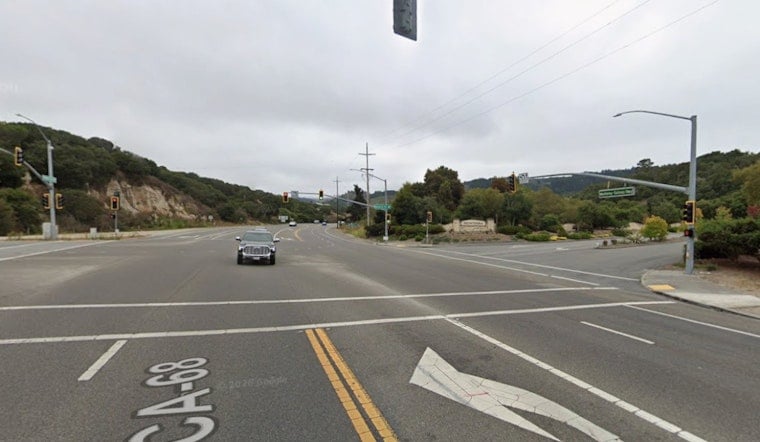
An 84-acre stretch of wetlands, oak woodland and open grassland beside Highway 68 is now being returned to the Ohlone/Costanoan-Esselen Nation, giving a Monterey County Indigenous nation a significant land base in its ancestral homeland. The Hiss Parcel sits across from Monterey Regional Airport, where highway traffic and jet noise meet an unexpectedly wild landscape. The transfer turns a long-running conservation project into something more consequential: a homecoming with room for cultural education, tribal gatherings and habitat protection.
Big Sur Land Trust announced the transfer on June 29, and the deal drew wider attention in a New York Post report published yesterday. The nonprofit acquired the parcel in 2024, but the intended handoff to OCEN had been years in the making as the nation worked through stewardship, funding and regulatory requirements.
Local coverage by Monterey County Now described the move as a landmark act of conservation, partnership and restorative justice. Big Sur Land Trust President and CEO Jeannette Tuitele-Lewis said the transfer was about more than preserving land, while OCEN Chairwoman Louise J. Miranda Ramirez said the nation hopes to use the property to teach the community about its culture, language and history.
A Conservation Deal With A Cultural Mission
The parcel is not just scenic real estate. A State Coastal Conservancy project record says the property includes wetlands and riparian habitat along Arroyo Del Rey, as well as grasslands, coast live oak woodland, maritime chaparral and Monterey pine habitat. Its location also creates a wildlife corridor linking protected lands around Fort Ord National Monument, Jacks Peak County Park and Palo Corona Regional Park.
The state-backed acquisition was supported by a $2.75 million Coastal Conservancy grant, with Big Sur Land Trust covering additional costs. The same project record said preserving the property would help filter runoff, reduce sediment moving through the Canyon Del Rey watershed and prevent development in a landscape used by deer, coyotes and other wildlife.
The Parcel Was Once In Development’s Crosshairs
That conservation angle mattered because the Hiss Parcel was not always headed toward open-space protection. As reported by Voices of Monterey Bay, a preliminary feasibility study had outlined the possibility of building as many as 37 single-family homes on the property before the land trust stepped in.
The new ownership also does not instantly turn the property into a public park. Tribal access, conservation work and educational uses are central to the plans, while public trails or other improvements would have to be developed in ways compatible with the land’s environmental and cultural protections.
A Long-Delayed Land Return Finally Moves Forward
The transfer is especially notable because a California state task force’s 2025 report described an earlier obstacle: OCEN faced roughly $620,760 in legal, insurance, maintenance, planning and assessment costs needed to assume ownership, leaving the land under Big Sur Land Trust’s control at that time. The June announcement appears to mark a major step past that hurdle, although the work of stewarding the property and building out its future uses is only beginning.
For Monterey County, the deal is both a conservation win and a test of how land-back efforts can work alongside public funding, conservation easements and local land-use rules. A parcel once viewed through the lens of potential development will now be managed with the tribe’s cultural future in mind.



