

























































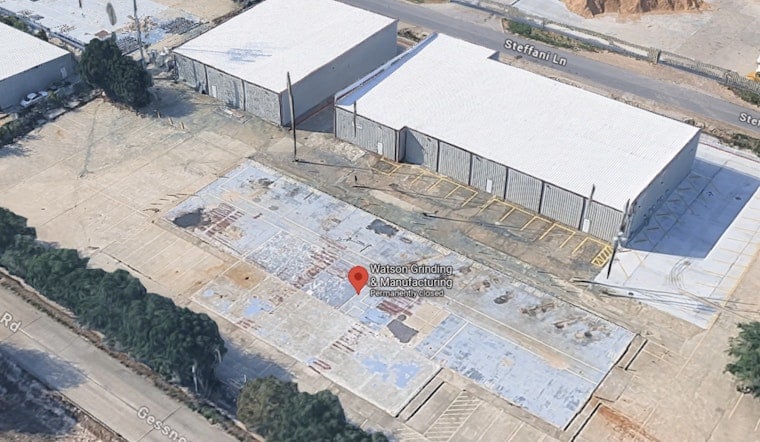
A Harris County jury has ordered 3M to help pay $61.5 million to 24 West Houston homeowners over the deadly 2020 Watson Grinding explosion, marking the third plaintiff victory in four bellwether trials against the manufacturing giant. The jury assigned 3M 30% of the legal fault for the blast that killed three people, injured dozens, and damaged or destroyed hundreds of homes along Gessner Road in Northwest Houston.
The Monday verdict came during trial testimony in which a 3M supervisor admitted under oath, for the first time, that the company knew Watson Grinding's gas detection system was non-functional from 2017 through 2019, right up until the explosion, according to The National Law Review. Plaintiffs' attorneys argued 3M failed to properly inspect the gas detection system despite knowing it was broken, and the jury agreed the company shared responsibility for the January 2020 blast that leveled part of a residential neighborhood.
3M's exposure traces back to its former ownership of Detcon, Inc., the gas-detection device servicer contracted to inspect and maintain Watson Grinding's alarms. 3M sold Detcon in August 2019, just months before the explosion, after allegedly failing to properly service the plant's gas alarms over a two-year contract, per 3M's own investor filings. Detcon was later acquired by Teledyne, but the liability tied to the years it spent under 3M's ownership followed the company into court.
A Pattern of Losses in Bellwether Trials
Monday's verdict is the third plaintiff win out of four bellwether trials held so far in the multi-district litigation, according to ABC13. A different Harris County jury awarded $118 million to explosion survivors in 2025, and another jury awarded $37.9 million to plaintiffs in a separate trial the same year. 3M did notch one win, in a May 2026 trial limited to commercial business-loss claims, where the company was cleared of liability entirely.
Attorney Rob Kwok, who represents plaintiffs in the litigation, said the latest verdict sends a clear message to 3M that Harris County will not tolerate a vendor doing only part of the job. Kwok has also said plaintiffs face a major disadvantage against the opposing parties in these fights, even as juries keep siding with residents. Attorney Ryan Loya said the verdict sends a message as additional cases move toward trial, and that the litigation will continue.
What Federal Investigators Found
Federal investigators traced the explosion to a propylene leak that ignited when a worker turned on a light switch, according to ABC13's reporting. The U.S. Chemical Safety and Hazard Investigation Board's 2023 final report found the blast occurred when a degraded, poorly crimped rubber welding hose detached overnight, releasing roughly 600 gallons of flammable propylene because manual tank shutoff valves had been left open. The board also found the plant's gas detection and alarm system failed to alert workers to the dangerous buildup of propylene before the explosion, the same system 3M was responsible for inspecting.
This was not the facility's first brush with disaster. An October 2008 propylene leak triggered a fire and explosion at the same Watson Grinding site that injured two workers, destroyed the original spray-coating building, and drew an OSHA fine, reports the Texas Lawbook. Watson Grinding had been cited at least three times by OSHA for safety violations since 2006, including a 2008 citation specifically for failing to check its gas system for leaks or equipment deterioration, according to KHOU.
Why Watson Grinding Isn't the One Paying
Watson Grinding itself filed for Chapter 11 bankruptcy in February 2020, just weeks after the explosion, which is why the company itself hasn't been the one facing state civil court trials. A U.S. Bankruptcy Court later approved a $52 million insurance settlement, and attorneys began distributing that money to more than 2,200 affected residents starting in October 2024, per Porter Hedges LLP, the firm involved in the bankruptcy proceedings. That settlement resolved property damage claims, but it left the door open for residents to separately pursue personal injury and other claims against 3M.
The explosion also exposed a broader vulnerability in how Houston regulates industrial sites. Because the city lacks formal municipal zoning laws, the Watson Grinding plant operated directly adjacent to residential neighborhoods, and the blast damaged more than 450 homes as a result. The Houston City Council responded in December 2020 by tightening ordinances on outdoor hazardous material storage, according to the Houston Chronicle.
Thousands of Cases Still Waiting
More than 2,000 additional residents remain as plaintiffs in the master multi-district litigation, still awaiting trial dates more than six years after the blast. Another randomly selected group of plaintiffs is scheduled for trial in October, meaning the string of bellwether verdicts against 3M is far from over. 3M had planned to appeal the $118 million verdict from 2025, disagreeing with that outcome, and any appeals process could delay payment of jury awards to plaintiffs for years even as more trials proceed.
3M had not provided a response as of Monday evening, according to ABC13, which reported that it reached out to the company for comment following the verdict. Hoodline previously covered Watson Grinding's bankruptcy filing in the immediate aftermath of the explosion, when the company sought Chapter 11 protection just weeks after the blast leveled part of the neighborhood.





