

























































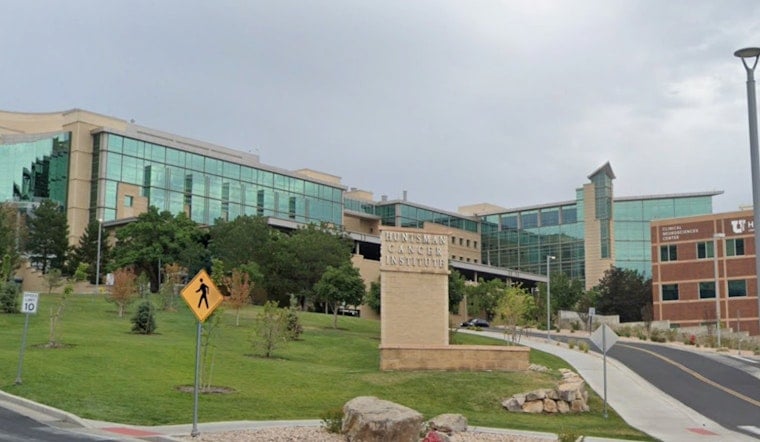
A two-inch incision instead of an eight- to 10-centimeter scar: that is the difference at the center of a surgical procedure first performed at Huntsman Cancer Hospital, where a Salt Lake City surgeon used a robotic system to complete the Intermountain region's first robotic-assisted, nipple-sparing mastectomy. Patient Monica Serena became the first person in the region to undergo the procedure, and she says she has no regrets about her choice.
The operation was performed by Dr. Kelly Hewitt, a surgeon at Huntsman Cancer Hospital, according to KUTV. Hewitt explained that the procedure was performed through a two-inch incision, using a robotic arm and instruments inserted through that single opening. A conventional mastectomy, by contrast, uses a visible eight- to 10-centimeter incision, per the same report, and mastectomy in general removes all breast tissue and can leave scars that last a lifetime.
How the Robotic System Changes the Operation
The robotic surgical system includes instruments with elbow and wrist joints that bend around corners inside the body, allowing the surgeon to work through a two-centimeter incision that stays hidden from view, the station's report notes. From a console beside the patient, the surgeon controls the robotic arm and tools while viewing a camera feed that magnifies tissue and blood vessels far beyond what the naked eye can see during traditional open surgery.
That magnified view and smaller incision are credited with a key clinical advantage: better blood flow to the remaining skin and tissue. Robotic-assisted mastectomy reduces the risk of skin tissue dying during recovery, according to the same account, a complication surgeons have long worried about in open procedures. A 2022 randomized controlled trial published on PubMed Central found zero cases of skin or nipple necrosis among patients who underwent robotic-assisted nipple-sparing mastectomy, compared to a 12.5% necrosis rate among those who had conventional open surgery, evidence researchers attribute to the robotic approach's better preservation of microvascular blood supply.
A Milestone Built on Fresh FDA Clearance
The timing of Huntsman's regional first is tied closely to a shift in federal regulation. As recently as August 2021, the FDA issued an updated safety communication cautioning that the safety and long-term effectiveness of robotically assisted devices for mastectomy had not been established, requiring investigational device exemptions for clinical study, according to the Regulatory Affairs Professionals Society. That caution changed in December 2025, when the FDA issued 510(k) clearance K252675 to Intuitive Surgical for its da Vinci SP Surgical System, explicitly adding nipple-sparing mastectomy in adult patients to the device's approved uses, per reporting from surgeon and patient-safety advocate Hooman Noorchashm.
Even with that clearance, long-term data on cancer recurrence and survival are still being gathered. Intuitive Surgical has launched a prospective, multicenter clinical trial under an FDA investigational device exemption, registered as NCT05720039, to evaluate the safety, cosmetic outcomes, and long-term oncologic efficacy of single-port robotic nipple-sparing mastectomy against conventional open surgery. Dr. Hewitt, who completed her surgical residency at the University of Utah and a fellowship in breast surgical oncology at UCSF, also serves as national co-principal investigator for the separate DCIS:RECAST clinical trial, which focuses on tailoring treatment for early-stage breast cancer.
A Regional Referral Hub for Five States
Huntsman Cancer Institute is the only National Cancer Institute-designated Comprehensive Cancer Center in the Mountain West, serving a five-state catchment area covering Utah, Idaho, Montana, Nevada, and Wyoming, according to the National Cancer Institute. Fewer than 5% of U.S. cancer facilities hold that designation. In a June 2026 update, the University of Utah's Department of Surgery confirmed the completion of the Mountain West's first robotic nipple-sparing mastectomy under Hewitt, emphasizing a collaborative approach spanning surgical oncology, medical oncology, radiation oncology, pathology, and radiology.
The milestone arrives against a backdrop of significant need. The American Cancer Society estimates roughly 321,910 new cases of invasive breast cancer and 60,730 new cases of ductal carcinoma in situ will be diagnosed among U.S. women in 2026. In Utah specifically, the age-adjusted late-stage female breast cancer incidence rate between 2018 and 2022 was 41.7 cases per 100,000 women, tracking closely with the national rate of 41.9 per 100,000, per National Cancer Institute figures — a statistic relevant because late-stage diagnoses often require full mastectomy rather than breast-conserving surgery.
Patient's Experience and a Broader Pattern
For Serena, the outcome has been straightforward: she said she has no regrets after the surgery, according to KUTV's report. Huntsman Cancer Hospital now offers robotic-assisted mastectomy, leaving a two-inch scar to patients across the Intermountain region, filling a gap that previously sent patients seeking this specific option elsewhere.
Huntsman is not alone in adopting the technology. Hospitals in other regions, including Alta Bates Summit Medical Center in Oakland, California, also introduced single-port robotic nipple-sparing mastectomies in 2026, part of a broader adoption pattern spreading beyond academic medical centers into community hospitals, as Hoodline reported in its piece on a Moraga mom's robotic surgery in Oakland. That earlier case similarly involved a single small, concealed incision designed to spare surrounding tissue while removing the cancer.





