

























































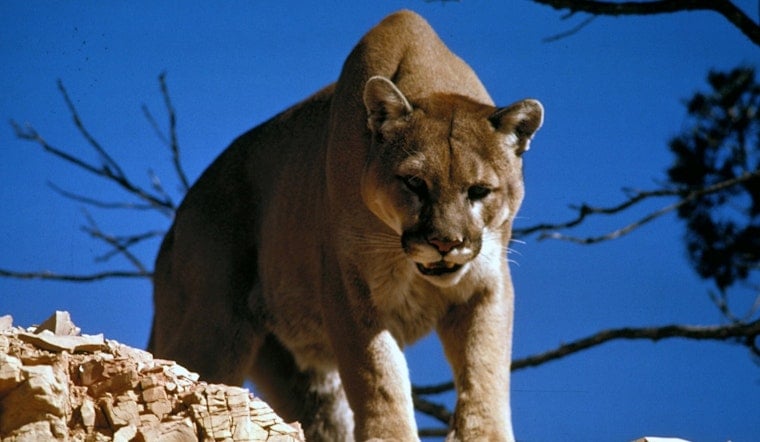
An injured cougar remains on the loose in Northeast Portland's Wilkes neighborhood after being caught on camera limping through the 2400 block of Northeast 164th Avenue, then bolting southwest and vanishing from sight. State troopers say the animal has an injured hind leg, and as of Monday it had not been located.
Oregon State Police reported the cougar sightings on Monday and took over command of the response, according to KOIN.com. The Gresham Police Department responded to reports of the sightings in the Wilkes neighborhood and flew drones at the request of state troopers to try to track the animal down. Anyone who spots the cougar is asked to call 911, and the Oregon Department of Fish and Wildlife and Oregon State Police can both be reached for additional information.
Why an Injured Cougar Raises the Stakes
An injured big cat presents a more urgent problem than a typical sighting. Wildlife officials note that under Oregon Statute ORS 498.166, a cougar is treated as a public safety risk once it shows aggressive behavior, loses its fear of people, or repeatedly lingers near homes in daylight, according to the Oregon Department of Fish and Wildlife. A cougar with a compromised hind leg may struggle to hunt deer and other natural prey, increasing the odds it could be drawn toward pets or other easy targets in a residential area.
If troopers or wildlife officials do manage to capture the animal, state policy does not allow for relocation. ODFW guidelines call for captured cougars exhibiting dangerous or habituated behavior to be humanely euthanized rather than moved elsewhere, since relocated big cats often return to the area or die in fights over another cougar's territory.
A Growing Population Pushing Into the Suburbs
The Wilkes neighborhood sighting fits a pattern that has played out repeatedly across the Portland metro area in recent years. Oregon City Police and ODFW issued advisories in January after security cameras repeatedly captured a cougar wandering suburban streets near Singer Creek Park, a sighting Hoodline previously reported. In December 2024, Salem officials warned parkgoers after a cougar turned up inside Minto-Brown Island Park along the Willamette River, and in June 2024 a cougar stalking a runner forced the temporary closure of the Angel's Rest Trail in the Columbia River Gorge before the trail reopened once monitoring confirmed the animal had left.
The uptick traces back to a 1994 statewide policy shift. Oregon voters approved Ballot Measure 18 that year, banning the use of hounds for sport hunting cougars and bears, a change wildlife biologists say contributed to sustained population growth over the following decades, per the Oregon Legislative Information System. Oregon's cougar population has since rebounded from an estimated 200 animals in the late 1960s to more than 6,000 adult and juvenile cats occupying suitable habitat statewide, according to ODFW. As of August 12, ODFW had recorded 86 total cougar mortalities against a quota of 180 in Zone A, the region covering the Coast and North Cascades that includes Multnomah County and the Portland metro area.
Fatal Attacks Remain Extremely Rare
Despite the growing number of urban-fringe sightings, fatal cougar attacks on humans in Oregon are exceptionally rare. The only verified case occurred in September 2018, when 55-year-old hiker Diana Bober was killed on Mount Hood's Hunchback Trail in Clackamas County, as reported by Willamette Week at the time. State wildlife searchers later tracked down and euthanized the cougar responsible for that attack.
State law also prohibits feeding or intentionally placing food attractants for cougars, bears, coyotes, or wolves under Oregon Revised Statute ORS 496.731, and law enforcement can issue written abatement notices to residents who violate it, per ODFW. Officials say keeping pet food, garbage, and other attractants secured helps prevent predators from lingering in residential zones in the first place. For now, the cougar spotted near NE 164th Avenue remains unaccounted for, and residents in the Wilkes neighborhood are being urged to stay alert and report any further sightings to 911.





