

























































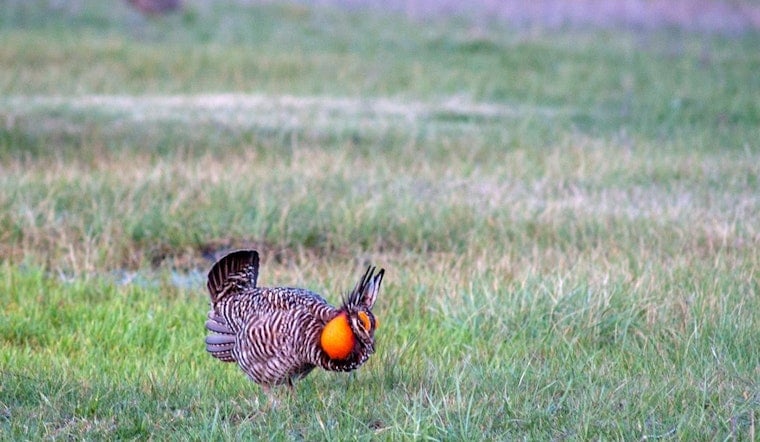
Kansas hunters will be allowed to chase fall turkeys again this year for the first time since 2023, while anyone visiting a Kansas state park or campground after November 1 will pay more to do it. The Kansas Wildlife and Parks Commission approved both changes at its August 27 meeting in Pittsburg, pairing the reopening of a long-paused hunting season with a broad restructuring of park and camping fees.
The commission voted 5-1 to reinstate the resident fall turkey hunting season after a three-year suspension, according to Newstalk KZRG. As reported by WIBW-TV, the season had been dormant since 2023, when state wildlife officials suspended it amid concerns about declining turkey numbers. Kansas's statewide wild turkey population peaked in 2008 before falling by roughly 60% through 2021, a decline driven by severe weather, habitat loss, and poor brood survival, per MeatEater. Kansas wasn't alone in pulling back — Mississippi and Ohio also reduced or closed their own autumn turkey seasons in recent years as similar population concerns spread across the country.
New Season Comes With Guardrails
The resurrected Kansas resident fall turkey season runs from October 31 through January 31, with a 12-day closure beginning the Wednesday following Thanksgiving. Fall turkey permits will be valid for one bearded male turkey only, a limit that reflects the state's continued caution even as the commission moves to bring the harvest back. Permits go on sale in early October, and the near-unanimous 5-1 vote suggests strong institutional support for reopening the season, even as the single-bird restriction shows regulators aren't fully declaring the turkey population recovered.
State wildlife officials track those population trends through a Rural Mail Carrier Survey, in which carriers log turkey sightings across more than 200,000 miles of roadway every quarter. The Kansas Department of Wildlife and Parks has run that survey four times a year across six management regions since 1986, giving biologists a long-running dataset to weigh against harvest decisions like this one.
Nonresident Waterfowl Hunters Face New Midday Cutoff
Alongside the turkey season news, the commission changed hunting hours for nonresidents pursuing waterfowl, coot, rail, or snipe on KDWP-managed public lands and waters. Starting this fall, those out-of-state hunters must stop hunting by 11:59 a.m. and clear department lands with their gear by 1 p.m., according to Ad Astra Radio. The rule is meant to ease hunting pressure and user conflict on public land, though it comes with a long list of carve-outs.
Per KVOE, the new midday limits do not apply to Walk-In Hunting Access lands, the September teal season, the light goose conservation order, KDWP Special Hunts, or nonresidents hunting other species. The commission also established a repeatable season date structure for deer hunting in deer management units located on military properties. All of the approved hunting regulations take effect 15 days after the Kansas Secretary of State publishes them in the Kansas Register, KDWP said.
Park and Camping Fees Climb November 1
On the parks side, the commission approved a sweeping set of fee increases that take effect November 1. Daily motor vehicle permits will rise from $3.50 to $5.50, annual vehicle permits will jump from $22.50 to $37.50, and the annual Easy Pass vehicle permit will climb from $15 to $30. Those figures don't include the transaction and processing fees typically tacked on at checkout.
Campers will see a bigger structural shift. KDWP is eliminating the annual camping permit, which cost $202.50 in 2025, while raising nightly camping fees from $9 to $15 and 14-night permits from $110 to $165. Utility hookup fees are also going up: a single hookup will now cost $11 a night, two hookups $13, and three hookups $15 — increases of $2 to $3 depending on the level of service. Kansas Wildlife and Parks Commission chair Christopher Kennedy said the agency takes public input on these matters seriously, adding that KDWP works in close partnership with the commission and that many issues facing the department require judgment, balance, and collaboration.
Timing Follows a Park System Expansion
The fee increases land just weeks after KDWP celebrated the grand opening of Lehigh Portland State Park in Allen County on August 12, the newest addition to the state's 29 state parks. KDWP also manages more than 300 public waterbodies, 177 lakes and wildlife areas, and five nature centers, alongside responsibilities that include law enforcement, wildlife habitat programs, and management of threatened, endangered, and at-risk species. The new revenue from higher park and camping fees is intended to help sustain that sprawling portfolio even as the agency adds new sites.
The Kansas Wildlife and Parks Commission operates under a statutory mandate to preserve hunting, fishing, and trapping rights guaranteed in Section 21 of the Kansas Constitution's Bill of Rights. The seven-member, non-partisan body includes appointees from the governor and legislative leaders, and its dual actions this month — reopening a hunting season while raising costs for park visitors — reflect the balancing act baked into that mandate. KDWP now moves the approved regulations through final administrative requirements before both sets of changes take hold this fall.





