

























































An 85-pound Akita named Apollo arrived at KC Pet Project as a stray on March 11 and was euthanized 13 days later, despite being classified as a green dog — meaning he was considered safe to walk with anyone, including children. His case has become the flashpoint in a growing dispute over a new 81-page euthanasia policy that a former board member and a current volunteer say is quietly pushing healthy, adoptable animals toward death.
According to KMBC 9 News, the euthanasia report justifying Apollo's death cited separation anxiety, and the decision was approved by KC Pet Project CEO Kate Meghiji. The station reports that at least one person had already expressed interest in fostering Apollo before he was put down. Susan Surber, who resigned from the KC Pet Project board in June, told the station the new policy provides a nonspecific, loosely measurable rationale for euthanizing animals, and that it now covers moderate resource guarding, severe leash reactivity, and separation anxiety.
Surber said dogs with bite histories are being adopted out while dogs without behavior concerns are being euthanized — a discrepancy she called part of a broader pattern of data problems and operational strain at the shelter. She said the new policy was a dealbreaker for her decision to leave the board, and she reported witnessing euthanasia every day, per the same account relayed to KMBC.
Overcrowding and Money Troubles Behind the Shift
An anonymous current KC Pet Project volunteer, also speaking with KMBC, echoed Surber's concerns, and the two said animal needs are not being met — a problem they attributed to overcrowding, lack of funds and resources, and a dwindling donor and volunteer base. The shelter's own website states it receives 40 to 60 new dogs and cats every day, seven days a week, and that animals considered at risk of euthanasia have typically been in the shelter for 30 days or more.
The financial strain described by Surber and the volunteer lines up with other signs of distress at the nonprofit. KMBC reports that KC Pet Project owes money to several creditors and that suppliers have gone unpaid on invoices dating back to 2025. In June, Evergy turned off the shelter's power over unpaid bills, according to the same report.
The Numbers Behind the Policy
KC Pet Project euthanized 1,509 animals in 2025, including 877 dogs, KMBC reports. From January through July of this year, the shelter euthanized 713 animals, including 440 dogs, per the same account. The station also reported the case of a dog named Tinder, who was euthanized for persistent distress among other stated reasons despite reportedly showing zero stress while kenneled or on walks.
KC Pet Project defines its no-kill status, per its website, as 90% of all shelter pets leaving through positive outcomes — adoptions, returns to their owners, or transfers to other shelters or rescue groups. That threshold sits against a backdrop of genuine achievement: in 2024, the organization provided shelter services to 16,028 animals and reported an overall live release rate of 92%, including 10,480 adoptions, 1,920 owner returns, and 411 transfers, according to Cause IQ. KMBC reached out to KC Pet Project for comment but had received no response by the time of publication.
According to the City of St. Joseph, Missouri, St. Joseph Animal Control and Rescue uses the Asilomar Live Release Rate to measure the percentage of animals leaving the shelter with a live outcome.
A Nonprofit Built on a No-Kill Turnaround
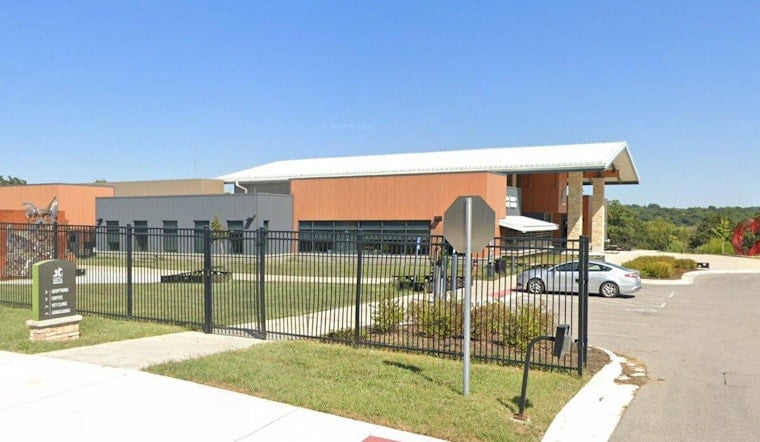
KC Pet Project is a nonprofit that took over management of Kansas City, Missouri's municipal shelter in January 2012, and it transformed the system almost immediately — cutting euthanasia rates from 50% to 70% under previous operators down to under 10% within six months, according to Humane World. Kansas City has a dedicated shelter campus in Swope Park, and KC Pet Project began operating there on January 1, 2020, replacing a converted facility that was roughly 50 years old, per the City of Kansas City.
Meghji took over as CEO in May 2025, bringing nearly 20 years of animal welfare leadership experience, including a prior stint as Chief Operating Officer at the Humane Rescue Alliance in Washington, D.C. She inherited an organization undergoing a major structural change.
Legal Pressure Has Mounted for Years
That handoff followed years of legal exposure tied to animal control enforcement. The Missouri Court of Appeals affirmed a $200,000 jury verdict against KC Pet Project in December 2024 over a June 2021 dog bite incident, ruling the shelter had failed to preserve its claims after being sued for negligent enforcement, according to FindLaw. A separate lawsuit filed in Jackson County Circuit Court in March 2025 alleged KC Pet Project failed to use ordinary care in animal control enforcement ahead of a November 2024 dog attack that killed one man and severely injured a bystander, as reported by KRDO.
An October 2025 lawsuit in Jackson County Court alleged the organization failed to disclose a dog's known history of aggressive behavior before a July 2020 adoption that resulted in a severe facial attack, according to reporting from The Kansas City Star relayed on Reddit. Meanwhile, the shelter has also tried to move animals out faster: Axios reported that KC Pet Project reopened its Swope Park dog kennels for public walk-throughs in October 2025 for the first time since 2020, an effort aimed at boosting adoptions amid severe overcrowding.
KC Pet Project's dog surrender pre-screening process has become part of the broader debate. For Surber and the volunteer who spoke with KMBC, the concern is that discretion is now being applied too broadly — turning a shelter built on a no-kill model into one where, they say, a green dog like Apollo can still end up on the euthanasia list.





