

























































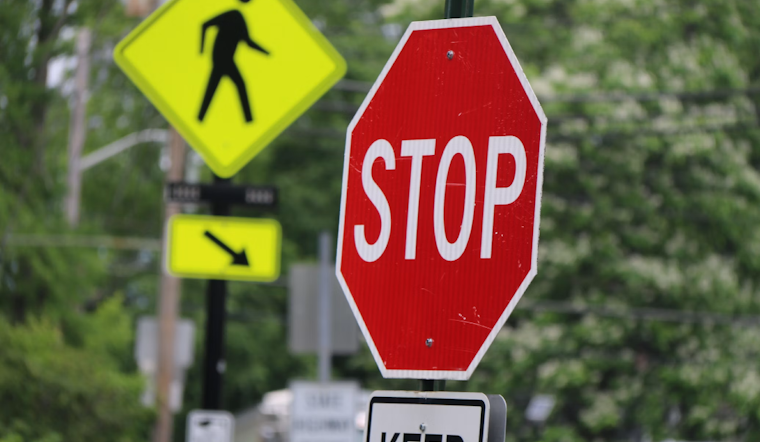
Portage is considering new rules for electric bikes after complaints about fast-moving riders, confusing trail signage and children blowing through stop signs. The proposal is trying to answer a deceptively tricky question: When does a bicycle with a motor become something police can regulate like a motor vehicle?
Under the draft ordinance, riders under 18 would need properly fitted, secured helmets, while e-bikes would also be required to have front and rear lights and turn signals, according to the Chicago Tribune. Councilmember Melissa Weidenbach is working with the city attorney on the proposal as Mayor Austin Bonta weighs how much regulation can realistically be enforced.
Indiana’s E-Bike Classes Create A Local Enforcement Puzzle
Indiana recognizes three e-bike classes: Class 1 pedal-assist bikes that stop helping at 20 mph, Class 2 bikes with a throttle and a 20 mph limit, and Class 3 pedal-assist bikes that can reach 28 mph, according to the Indiana Department of Natural Resources. That distinction matters because Portage’s Prairie Duneland Trail page still says motorized vehicles are not allowed, language that may need clarification as e-bikes become more common.
Bonta told the Chicago Tribune that an officer cannot identify an e-bike’s type simply by driving past it, making enforcement more complicated than writing a rule on paper. He also cited complaints about drivers making rolling stops near Hamstrom Road and Fallen Timbers, while calling Hamstrom Road and Central Avenue one of Portage’s most dangerous intersections and describing children who ran a stop sign before officers could catch them.
Portage Is Joining A Wider Indiana Micromobility Debate
Other Indiana communities are already drawing sharper lines between ordinary e-bikes and faster electric devices. Noblesville approved updated micromobility rules in June that set a 20 mph trail limit, require helmets for riders under 18 and bar e-motos from sidewalks and multi-use trails, according to the City of Noblesville.
Fishers also tightened its rules after police raised concerns about unsafe riding, limiting higher-powered e-motos to roadways while allowing legal Class 3 e-bikes where bicycles are permitted, as detailed in Fishers’ crackdown. Valparaiso’s experience shows why these ordinances can get messy: City Council members tabled a proposed measure after questioning enforcement language, downtown restrictions and whether police could apply the rules consistently, according to Valparaiso council minutes.
Safety Concerns Are Growing Alongside E-Bike Use
The policy debate is unfolding as hospitals and public-safety agencies report more serious injuries involving e-bikes and e-scooters. In the Indianapolis area, Riley Children’s Health had recorded 17 e-bike-related injuries by July 1, compared with none in all of 2023, four in 2024 and 12 in 2025, according to Axios Indianapolis.
Portage’s proposal appears aimed less at banning e-bikes than at making the rules visible, understandable and enforceable before the city sees a serious crash. For now, riders still have to follow Indiana’s e-bike classifications along with posted trail restrictions, while city officials work through the less glamorous but crucial details of helmets, lights, speed and signage.





