

























































Every legal outdoor fire in unincorporated King County — and in Seattle itself — is now off-limits, after county officials enacted a Stage 2 Fire Safety Burn Ban that took effect at 12:01 a.m. Friday. The restriction bans not just bonfires but backyard fire pits, chimineas, and wood or charcoal campfires of any kind, a step beyond the statewide burn restriction already in place across Washington.
King County Fire Marshal Eric Urban issued the order, which follows an earlier Stage 1 restriction enacted June 22 that targeted yard debris and land-clearing fires. According to Auburn Reporter, the escalation to Stage 2 reflects how quickly conditions have deteriorated as peak summer heat sets in. The county's fire safety code spells out the difference plainly: a Stage 1 ban restricts yard debris and land-clearing burns, while Stage 2 prohibits all outdoor recreational fires outright.
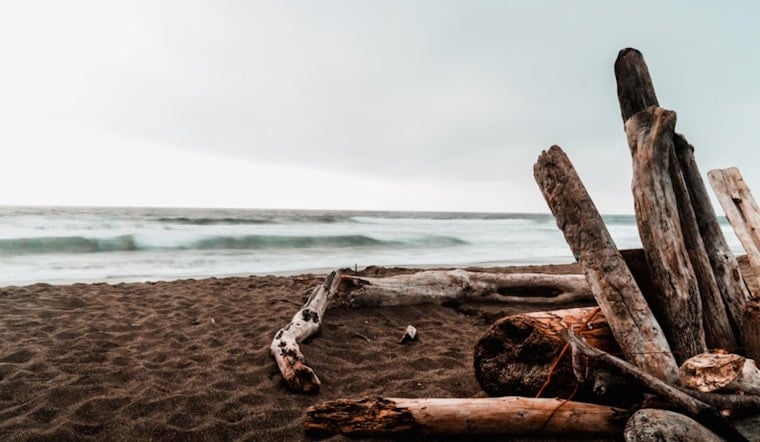
The ban also reaches into Seattle's two designated beach bonfire spots. Alki Beach and Golden Gardens Park are the only public park locations in the city where outdoor beach fires are normally legal, and Seattle Parks and Recreation typically keeps those fire pits unlocked daily between Memorial Day and Labor Day unless a burn restriction intervenes. That restriction has now arrived, closing off a summer tradition for beachgoers with no clear timeline for when it might reopen.
What's Still Allowed Under the New Rules
Not every form of outdoor cooking is banned. Portable appliances powered by propane, natural gas, or wood pellets remain permitted, as do charcoal or gas devices, so long as they're operated over noncombustible surfaces like concrete or brick and kept away from dry vegetation. That guidance mirrors the statewide burn restriction, which separately allows campfires when they're contained in structures such as fire rings and fire pits — a narrower carve-out than what King County's Stage 2 ban permits locally, as reported by The Seattle Times.
The Seattle Fire Department has said the city's own burn ban carries no expiration date, according to fire department spokesperson Kaila Lafferty. King County's restriction, meanwhile, will depend on weather conditions and could lift or extend as the season progresses. The statewide burn restriction, by contrast, is set to expire September 30, though officials have said that date could move earlier or later depending on how conditions unfold.
Why Officials Are Cracking Down Now
Seattle firefighters have responded to more than 350 bark and brush fires across the city since Memorial Day, per the Seattle Fire Department. The department has urged residents to follow the burn ban, discard smoking materials safely, avoid parking on dry grassy areas, and check vehicles for dragging parts that can throw sparks. Seattle firefighters say they will extinguish illegal fires wherever they find them during the ban.
The enforcement stakes are real. The Seattle Fire Department has said that violating the county burn ban and refusing an order to extinguish a fire could result in a misdemeanor charge. Beyond that, Washington state law under RCW 76.04.495 allows agencies to hold individuals civilly liable for the full cost of fire suppression if their negligence sparks a blaze during burn restrictions — a financial exposure that can result in liens against property.
Separately, Washington Administrative Code WAC 173-425 already makes burning yard debris and residential waste permanently illegal in urban growth areas, regardless of any seasonal ban, a baseline rule the Washington State Department of Ecology put in place to improve air quality in urbanized regions. It's worth noting that fire safety burn bans like King County's are distinct from the air quality burn bans the Puget Sound Clean Air Agency calls primarily in winter to curb fine particle smoke pollution during atmospheric inversions — different agencies, different seasons, different goals.
A Statewide Emergency Behind the Local Order
The pressure driving King County's decision traces back to Governor Ferguson's statewide burn restriction, declared the same day wildfires ignited in Spokane. Those Spokane-area fires have destroyed at least 900 structures and displaced more than 60,000 people, according to the Seattle Times report. The statewide order prohibits bonfires, yard debris burning, trash disposal, land clearing, and weed abatement as numerous wildfires have ignited across Washington.
King County's stricter local approach reflects acute drought conditions, high urban density, and emergency response capacity strained by the diversion of firefighting resources to those eastern Washington blazes. Neighboring Snohomish County instituted its own Stage 2 Burn Ban in August for similar reasons, showing the escalation isn't isolated to King County alone. The Washington State Department of Natural Resources, which oversees wildfire prevention across 13 million acres of non-federal forestland funded through property tax assessments, manages much of that broader firefighting response alongside local agencies.
How Other Counties Have Handled Burn Season
Pierce County took a different tack, setting a fixed June 1 annual start date for its Stage 1 burn bans back in 2025, giving residents predictable notice to clear yard debris before dry spells hit. King County's weather-dependent approach means residents get less advance warning but a response calibrated to real-time conditions. Whether Seattle police and fire units will actively patrol popular gathering spots like Alki Beach and Golden Gardens to enforce the new prohibition remains an open question, one likely to be tested as summer weekends continue under the ban.





