

























































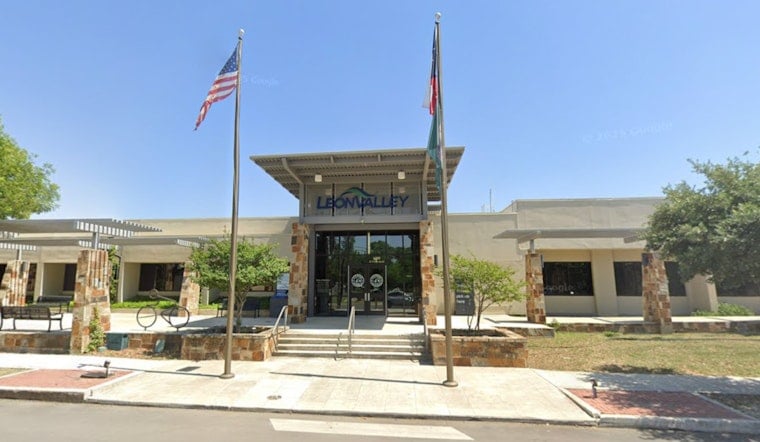
A giant Pacific octopus held onto six-year-old Leo's arm for about five minutes during a visit to the San Antonio Aquarium in July 2025, leaving suction marks that lingered for roughly a week. More than a year later, the Leon Valley City Council has unanimously approved changes to its animal control ordinance that allow aquariums and similar facilities to keep wild and dangerous animals — including venomous species — that were previously prohibited under city code.
Leo's mother, Britney Taryn, brought her son to the aquarium for what was described as an encouraged interaction with the venomous octopus before it gripped his arm, according to MySA. Aquarium employees eventually removed the octopus from the boy's arm, and Taryn has said her trust in the facility never fully recovered after the incident. She has also said the new ordinance removes protections and moves the community in the wrong direction on animal care and human safety.
The July 2025 encounter escalated quickly once it reached social media. A TikTok video Taryn posted documenting the incident drew more than 3 million views, according to the San Antonio Current, fueling public scrutiny of the touch-tank exhibit and pressure on local officials to respond. Separate reporting on the day of the encounter described aquarium staff using ice to stun the octopus — which staff had named Cthulhu — to get it to release the boy's arm, with an employee later referring to the marks left on his skin as “octopus kisses,” per MySA's earlier coverage of the incident.
What the New Ordinance Actually Changes
The amendment to Chapter 2 of the Leon Valley Code of Ordinances allows aquariums, educational animal exhibition facilities, and other select operations to keep animals on their properties that the city's animal control code otherwise bans, including poisonous reptiles and venomous species. Before the change, Leon Valley's municipal code broadly prohibited possession or display of wild or dangerous animals and explicitly named venomous species and alligators, according to USARK. Critics have argued the aquarium had effectively been operating in violation of that original ordinance for years.
The ordinance also defines an educational animal exhibition facility as one that keeps animals primarily for public education, and it requires facilities keeping wild and dangerous animals to meet certain requirements. City council member Rey Orozco said the aquarium is safe and that the language covering it simply needed to be defined, adding that the amendments do not close anyone down. The council also removed subsections of the code that addressed pet shop sourcing requirements after local pet retailers requested time to sell through existing inventory, a broader piece of the same meeting reported by Citizen Portal.
A Regulatory Gap Federal Law Doesn't Fill
Part of what makes the local ordinance fight significant is a federal blind spot. Cephalopods and other aquatic invertebrates are exempt from the Animal Welfare Act, meaning USDA oversight simply does not extend to octopuses, and the agency's jurisdiction is statutorily limited to warm-blooded mammals and birds, per research published in PubMed Central. That leaves animal welfare oversight for facilities like the San Antonio Aquarium falling almost entirely to municipal codes like the one Leon Valley just rewrote.
Giant Pacific octopuses carry up to 2,240 suction cups across eight arms and a venomous beak used to paralyze prey, according to Born Free USA, which notes the species is typically kept in closed habitats and is known for escaping enclosures. That biology underpins why marine welfare advocates object to open touch-tank interactions with the species in the first place.
PETA and a Resident Push Back
PETA opposed the ordinance change and filed a report with Leon Valley animal control alleging the aquarium was keeping dangerous, prohibited animals, according to the seed reporting. A PETA spokesperson said the city should crack down on the San Antonio Aquarium instead of changing the law, and the organization has described the facility as a roadside zoo with a record of noncompliance in public safety and animal welfare. PETA said it is considering its options, including whether Leon Valley council members acted appropriately in passing the amendment.
Resident Cydnee Bence said the amendment creates regulatory ambiguity, rewards bad actors, and leaves the public at risk of serious injury, arguing it seemingly benefits only the San Antonio Aquarium. Rebecca Smudzinski said the aquarium's owners have a history of failing to maintain federal compliance and that the proposed amendment requires a facility to maintain that compliance; she also said human handling is a significant stressor for wild animals. USDA reports have been cited in connection with the death of a porcupine after it escaped into another enclosure, as well as conditions affecting rabbits during an air-conditioning outage at the aquarium.
An Aquarium With a Contentious History
State records show the San Antonio Aquarium, located on Bandera Road, is owned by Crystal Covino, wife of former owner Ammon Covino. Ammon Covino was convicted of conspiring to buy illegally harvested marine animals; he was sentenced in December 2013 in Florida federal court to one year and one day in prison along with a two-year wildlife ban tied to illegally harvested spotted stingrays and lemon sharks bound for an Idaho aquarium he previously ran, according to historical reporting. The Covino family has operated a network of for-profit interactive aquariums nationally, including the Austin Aquarium and the now-closed Portland Aquarium, per a factsheet from PETA.
The Leon Valley location has drawn municipal scrutiny before. In July 2018, three visitors stole a 16-inch horn shark from an open touch tank by hiding it in a baby stroller before police recovered the animal alive, according to the San Antonio Express-News. In March 2020, Leon Valley Police shut the aquarium down twice in a single day for violating COVID-19 emergency orders, and the local fire department had separately closed the facility temporarily in 2018 over safety violations.
Texas Parks and Wildlife regulates the exhibition of certain native species, while the USDA's authority remains limited to certain mammals and birds — leaving the octopus that gripped Leo's arm, and the touch-tank format itself, largely governed by whatever Leon Valley's council decides. The San Antonio Aquarium did not respond to a request for comment from MySA, whose reporting anchors much of this account.





