

























































Longwood city commissioners voted 3-2 earlier this week to advance a land-use change that could clear the way for 95 single-family homes on 52 acres of protected wetlands at the end of Meadowbend Drive, a stretch of road neighbors say already floods during heavy rain. The plan calls for detached houses built around a lake, replacing wetlands that residents describe as some of the last natural habitat left in the area. Before any homes break ground, the change still needs approval from Seminole County and federal regulators.
According to WESH 2, the wooded acreage at the end of Meadowbend Drive is home to rich wildlife, and residents of the neighboring Meadowlands subdivision worry the project could bring flooding and cut off emergency vehicle access on their single road in and out. Sean Boyle, a 16-year resident of the subdivision, told the station the fight comes down to preserving what remains of Seminole County's natural landscape.
One-Lane Road, 500 More Trips a Day
Per the same report, Meadowbend Drive already floods every time more than two or three inches of rain falls, and the proposed subdivision would add roughly 500 vehicle trips a day onto those one-lane roads. Municipal land development standards elsewhere in the region require subdivisions generating that kind of traffic to complete transportation impact studies and build multiple points of access so emergency crews aren't left with a single way in, according to City of Sanford Government Documents. Whether the Meadowbend proposal can meet that bar has not yet been determined.
The commission's vote split along familiar lines. District 3 Commissioner Matthew McMillan described the plan as ordinary residential development — regular single-family detached homes — rather than the rural estates on four-acre lots that dominate the area now. District 4 Commissioner Matt Morgan, a former professional WWE wrestler who once served as Longwood's mayor, cast one of the two votes against the change, saying certain habitats need to remain uninterrupted. Morgan has built a public record on the commission of pushing for local environmental and wildlife-habitat protection, according to the Tampa Bay Times.
Commission Makeup and the Road to Seminole County
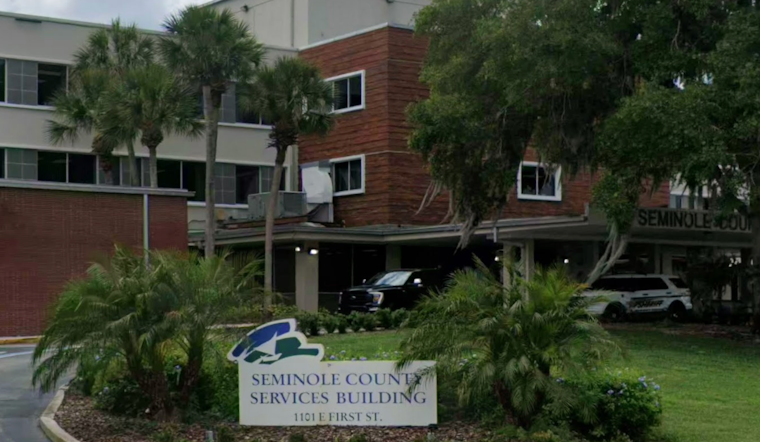
Longwood's government is run by a five-member commission representing separate districts: Mayor Tony Boni of District 2, Deputy Mayor Abby Shoemaker of District 1, McMillan in District 3, Morgan in District 4, and Commissioner Brian D. Sackett in District 5, according to the City of Longwood. The vote means the land-use change now moves beyond city hall, headed next to the Seminole County Commission for a final decision, per the same coverage.
Under Florida's Community Planning Act, any Future Land Use Map amendment a city passes must be sent to the county and state land-planning agencies for intergovernmental review of environmental impacts, public-facility capacity and regional compatibility before it can be adopted, according to Seminole County Government. County comprehensive-plan rules further require developers to submit environmental assessments, traffic studies, utility-capacity letters and stormwater evaluations proving a project will not degrade wetlands or overwhelm infrastructure — standards the Meadowbend proposal has not yet cleared.
Wetlands Permitting Adds a Federal Layer
Beyond the county review, filling or altering freshwater wetlands for residential construction in Florida now requires a federal Clean Water Act Section 404 permit issued directly by the U.S. Army Corps of Engineers. That requirement followed a February 2024 federal court ruling that vacated the Florida Department of Environmental Protection's state-assumed permitting program, according to the Florida Department of Environmental Protection. The open question, per the station's report, is whether the developer can show regulators that its stormwater systems will keep the wetland fill from causing flooding downstream.
Downstream Flooding Echoes Hurricane Ian
The worry over downstream flooding is rooted in recent memory. Hurricane Ian's flooding in September 2022 inundated more than 1,000 homes across Seminole County and pushed the Little Wekiva River to record levels, according to WKMG. Development of the wetlands could cause additional downstream flooding, the same account reported — a concern that echoes across other pending projects in the county.
Not the Only Longwood-Area Project Under Scrutiny
Property records show Meadowbend Drive's existing neighborhood consists of low-density single-family homes and gated estate enclaves on multi-acre parcels, a contrast with the density of the proposed subdivision, according to Edina Realty listings. It isn't the only Longwood-area project facing this kind of scrutiny — Hoodline has also covered Goodwill's Flea World redevelopment plans nearby in Sanford and the shuttered Longwood hospital site's makeover, both of which drew similar concerns over wetlands, traffic and flooding.
Seminole County and area municipalities also coordinate through joint technical advisory committees that review how new subdivisions affect shared road networks and emergency-response infrastructure, according to City of Winter Springs government documents. Conservation advocates around Seminole County have separately pushed county commissioners to fund land-conservation programs and enforce wetland buffers that keep new subdivisions out of natural flood basins, a campaign that predates the Meadowbend proposal.





