

























































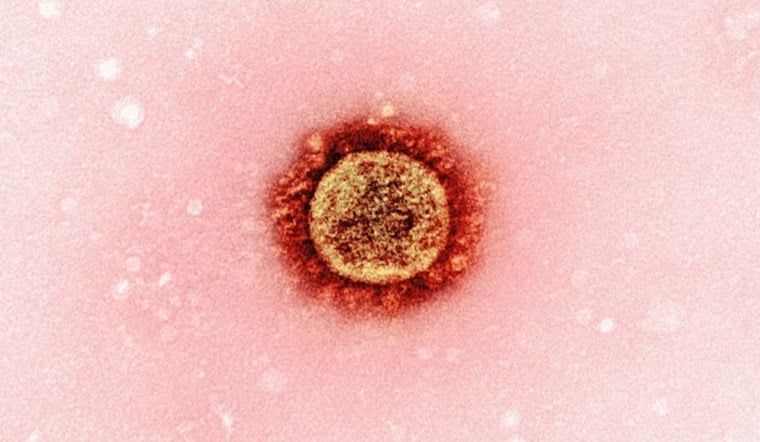
A visitor from Pennsylvania who later tested positive for measles spent hours moving through University Hospitals Rainbow Babies & Children's Hospital and the Cleveland Medical Center on August 2, passing through the pediatric cardiac intensive care unit, the building's main entrance lobby, the Cleveland Medical Center atrium, and elevator 73 between 11:07 a.m. and 1:30 p.m. The visitor developed measles symptoms the day after the hospital visit, according to News 5 Cleveland WEWS, prompting a public exposure warning covering some of the most sensitive corners of a facility that treats critically ill children.
University Hospitals confirmed the possible exposure and, because of how long measles particles can linger in enclosed air, extended its public warning window to 3:30 p.m. — two full hours after the visitor left the building at 1:30 p.m., according to News 5 Cleveland WEWS. As reported by WKYC, airborne measles particles can remain infectious for up to two hours after an infected patient exits a room, which is why hospitals widen these exposure timelines rather than limiting warnings to the exact minutes someone was present.
Anyone unvaccinated who was in the affected hospital areas during that window is being asked to monitor for measles symptoms through August 23 and to contact their local health department if symptoms develop. The visitor lives in Pennsylvania, a detail that matters given the scale of that state's outbreak: Pennsylvania has logged 202 confirmed measles cases across 17 counties in 2026 as of Thursday, a sharp jump from just 16 cases in all of 2025, per StateCollege.com. State health officials there launched a live public dashboard in July to track the accelerating case count.
Ohio's Third Outbreak of the Year Widens Across Northeast Counties
The Cleveland exposure lands amid an active surge of measles activity across northeast Ohio. The Ohio Department of Health declared the state's third measles outbreak of 2026 on July 30, tied to four linked cases in Ashtabula and Tuscarawas counties, bringing Ohio's statewide 2026 total to 15 cases — compared with 45 cases logged in all of 2025 and just seven in 2024. Days later, Geauga Public Health confirmed five measles cases in Geauga County, directly linking that cluster to the same statewide outbreak. Geauga County borders Cuyahoga County, where University Hospitals is located, to the east.
The Ashtabula County Health Department had earlier confirmed two measles cases in the county last month, part of the same regional spread Hoodline detailed in its earlier Ashtabula outbreak coverage. That report also identified public exposure sites including the Hillcrest Hospital adult emergency department on July 18 and two regional livestock auctions on July 17 and 18. This is not the first time a Cuyahoga County-area hospital has dealt with a measles exposure scare either — Cuyahoga County health officials issued a similar warning in May after an unvaccinated child with confirmed measles visited the Hillcrest Hospital emergency department and atrium lobby in Mayfield Heights.
Vaccination Gaps Help Explain the Pattern
Ohio's kindergarten immunization numbers help explain why imported cases keep finding footholds locally. Official state data show that 85.4% of Ohio kindergartners met complete routine immunization requirements during the 2025–2026 school year, according to WTOL, continuing a steady decline from 89.5% a decade ago. Public health authorities recommend a 95% vaccination threshold to sustain community immunity against measles, meaning much of Ohio remains below the level needed to reliably stop the virus from spreading once it arrives.
The Centers for Disease Control and Prevention notes that two doses of the MMR vaccine are 97% effective at preventing measles, while roughly 90% of unvaccinated people exposed to the airborne virus will contract it. The CDC recommends a first dose at 12 to 15 months of age and a second between ages 4 and 6. Cuyahoga County itself opened the year with its first 2026 outbreak in January, when three unvaccinated children contracted measles after traveling to an active outbreak area elsewhere in the country, a case the county had also seen a much larger 85-case outbreak tied to central Ohio back in late 2022.
A National Surge Frames the Local Response
The Cleveland exposure is unfolding against a national backdrop that public health experts describe as historic. As of Friday, the CDC has reported 2,465 confirmed measles cases across the United States in 2026, the highest annual total since 1991, according to CIDRAP. The scale of the resurgence has prompted federal review of whether the country can maintain the formal measles elimination status it achieved in 2000.
For now, University Hospitals and Cuyahoga County health officials are focused on the immediate task of tracking who passed through Rainbow Babies & Children's Hospital and the Cleveland Medical Center during the exposure window. Given that pediatric intensive care units concentrate some of the most vulnerable, under-vaccinated, or immunocompromised patients in the region, the priority remains identifying anyone who may have been exposed before the virus has a chance to spread further inside the hospital system.




