

























































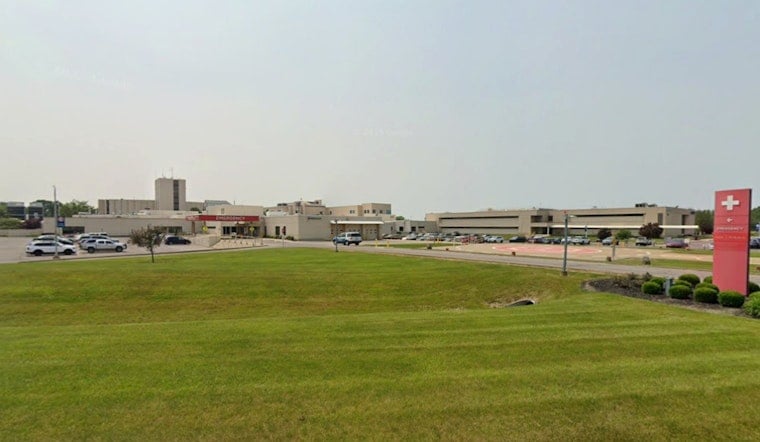
A 40-foot coach equipped with 3D mammography technology is now rolling through Lorain County, giving women in Oberlin, Wellington, Wakeman and Oak Point a chance to get screened for breast cancer without driving to a hospital. Mercy Health announced the new mobile mammography unit as part of an effort to knock down the transportation, scheduling and childcare barriers that keep many women from getting screened on time.
The unit, which offers screening mammograms only, includes both 2D and 3D mammography technology along with bone density screening capabilities, using the same imaging equipment available inside Mercy Health facilities, according to the Morning Journal. A single screening mammogram takes roughly 10 to 15 minutes, and patients may self-refer for the service, though physician orders are encouraged. Mercy Health said in a news release cited by the outlet that it plans to expand the mobile stops to additional communities, with more locations, scheduling and availability details expected in the coming months.
The vehicle itself exists because of a gift from Chris and Heather Russo, who were inspired by their own personal experiences with cancer to help make the unit possible. Additional support came from Mercy Health Foundation Lorain and the Prentiss Foundation, both of which contributed to bringing the mobile unit to Lorain County. The Bon Secours Mercy Health Foundation had also launched a $1.5 million fundraising campaign to purchase and equip the coach, according to the Bon Secours Mercy Health Foundation.
Why Local Leaders Say Early Screening Matters
Carrie Jankowski, president of Mercy Health – Allen Hospital, said the investment reflects Mercy Health's commitment to making high-quality preventive care more accessible across Lorain County. Scott Pember, president of Mercy Health Foundation Lorain, said removing barriers to preventive care creates more opportunities for people to take an active role in their health.
Mercy Health recommends annual screening mammography starting at age 40, a threshold that lines up with national guidance. The U.S. Preventive Services Task Force updated its official recommendation in April 2024 to advise all average-risk women to begin biennial screening mammograms at age 40, lowering the starting age from 50 in response to rising cancer incidence among younger women, according to the U.S. Preventive Services Task Force. Women considered at elevated breast cancer risk should discuss their individual risk and screening schedule with a health care provider, since they may need a different screening plan than the standard timeline.
A County With Elevated Cancer Rates and Thin Coverage
The push for mobile screening lands in a county with a documented cancer burden. National Cancer Institute data covering 2018 through 2022 shows Lorain County recorded an average annual female breast cancer incidence rate of 143.8 cases per 100,000 population, placing it among the higher-risk tiers for Ohio counties, per Healthy Northeast Ohio. That statistic underscores why catching tumors early matters so much: American Cancer Society surveillance data shows breast cancer caught at a localized stage carries a 5-year relative survival rate above 99%, compared with 87% for regional spread and just 32% for distant-stage diagnoses.
Lorain County has also faced well-documented gaps in access to primary care. Doctor shortages in Lorain and Elyria have left low-income areas of the county with significant primary-care physician shortages, exacerbating preventive care access gaps for residents. Mercy Health has been expanding its physical footprint to address some of that gap, opening a new outpatient medical facility in Wakeman, Huron County, with 15 exam rooms to connect rural residents with primary care and imaging services before the mobile mammography visits began.
Insurance Coverage and a Track Record From Springfield
Most health insurance plans cover screening mammograms with little or no out-of-pocket cost, according to the news release referenced by the Morning Journal. That aligns with Ohio law: under Ohio Revised Code sections 3923.52 and 1751.62, state-regulated health insurance plans must cover screening mammography, including 3D digital breast tomosynthesis, without requiring prior authorization for eligible women, per guidance published by CareSource. State regulations also require mobile mammography units to be accredited through the American College of Radiology Mammography Accreditation Program or to operate in direct affiliation with an accredited hospital facility.
Mercy Health has run a mobile mammography program before. The health system introduced a similar unit in its Springfield, Ohio region in January 2017, and it conducted more than 900 screenings while confirming 12 early-stage breast cancer cases in its first year of operation. Power 4 Pink Inc., a Lorain County nonprofit supporting local breast cancer survivors, publicly celebrated the Russo-funded launch of the new unit earlier this month.
Patients requiring follow-up diagnostic work or biopsies will still need to be seen at a traditional hospital or imaging facility, since the mobile unit is limited to screening mammograms and bone density scans. Mercy Health has said it will announce additional mobile mammography locations, scheduling and availability details in the coming months as it works to extend the program's reach across Lorain County.



