

























































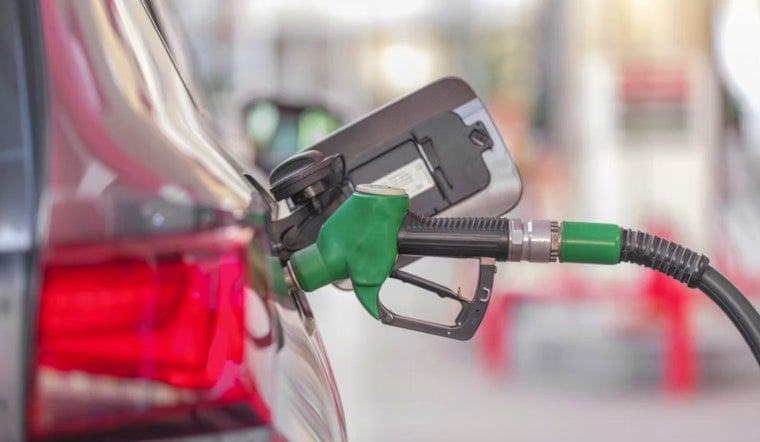
Michigan drivers got hit with an 11-cent overnight jump at the pump today, pushing the statewide average regular unleaded price to $4.24 a gallon after sitting at $4.13 just a day earlier. The spike came only days after prices had dropped to $4.15 a gallon, capping off a stretch of whiplash-inducing swings that has left motorists across the state checking gas station signs a little more nervously than usual.
According to CBS Detroit, the price increase was reported by AAA-The Auto Club Group, which tracks daily gas prices statewide. The jump wasn't evenly felt everywhere: Washtenaw County posted the highest county average in the report at $4.32 per gallon, followed closely by Oakland County at $4.31 and Lenawee County at $4.29. Wayne County, by contrast, came in lowest at $4.17 per gallon, while Macomb and St. Clair counties both sat at $4.26 and Monroe County registered $4.27. Lapeer County landed at $4.19.
A Wild Few Weeks at the Pump
The latest jump follows a stretch of sharp swings. Per the Clare County Cleaver, AAA Michigan data shows prices hit a multi-month high of $4.36 a gallon on August 3, then dropped 21 cents to $4.15 by August 10 — only to snap back up with Thursday's 11-cent surge. Just before that, prices had also sat at $4.23 a gallon on August 6, according to the CBS Detroit report.
Nationally, the picture has been similarly jumpy. The report notes the national average gasoline price reached $4 per gallon on August 12, which analyst Patrick De Haan described as the latest occurrence of a $4 national average in the calendar year ever recorded. That's still well below the record high national average of $5.01 per gallon set by AAA in June 2022. Gasoline prices can vary by region due to state and local gas taxes and refinery issues, and the CBS Detroit report notes that some states have even halted collection of their gas taxes temporarily.
Michigan's New Tax Baseline Feeds Higher Prices
Underlying all this volatility is a structural shift in how Michigan taxes fuel. Effective January 1, 2026, the state eliminated its 6% sales tax on gasoline and raised its fixed motor fuel tax from 31 cents to 52.4 cents per gallon, according to ClickOnDetroit, with 98% of that revenue dedicated directly to the Michigan Transportation Fund. As of January 1, the national average state tax and fees on motor gasoline sat at just 33.5 cents per gallon, per the U.S. Energy Information Administration, meaning Michigan's fixed excise tax now runs well above what most other states charge. The same overhaul also raised annual registration fees for electric vehicles and plug-in hybrids, adding roughly $50 a year for plug-in hybrid owners to help offset the funding that gas taxes used to provide.
Michigan also took emergency action earlier this year to try to ease regional price pressure. In April, Governor Gretchen Whitmer declared an energy emergency in eight Southeast Michigan counties, temporarily waiving the summer-blend low-vapor-pressure fuel requirement for the Metro Detroit area following an EPA waiver intended to lower regional production costs. That move came as spring 2026 refinery maintenance and unexpected outages at processing facilities in Illinois and Indiana squeezed Great Lakes fuel supplies, pushing Midwest wholesale gasoline prices higher independent of global crude benchmarks.
Crude Oil Still Drives the Bulk of the Cost
Even with Michigan's tax changes, the biggest single factor in what drivers pay at the pump remains crude oil. EIA data shows crude accounts for roughly 51% of the retail price of a gallon of gasoline, meaning global oil market moves remain the primary driver of local price swings — oil prices primarily fed gas-price swings throughout spring and summer 2026. State regulators are watching the cumulative effect closely: in its 2026 Summer Energy Appraisal, the Michigan Public Service Commission projected that total gasoline sales statewide would decline by 4.17% this year as motorists cut back on driving to cope with high pump prices and broader inflationary pressure.
For context, Thursday's $4.24 average remains nearly a dollar below Michigan's all-time record high of $5.22 per gallon, set statewide on June 11, 2022, when Metro Detroit hit its own record of $5.29. Prices have already made several such runs this year — Hoodline previously reported statewide prices hitting $4.37 in late July, and ahead of the Fourth of July holiday, prices had climbed to $4.10 statewide and $4.14 in Metro Detroit, pushing a typical 15-gallon fill-up to roughly $62. AAA issues its gas price trend reports on Mondays and maintains a database with daily updates, so drivers hoping for relief will have another data point to watch soon.



